The Make-or-Buy Decision: How Managers Decide What Their Team Should Stop Doing
29 October 2026
Ask a team what slows them down and you will rarely hear about the big strategic projects. You will hear about the small, recurring jobs that eat a Tuesday afternoon: chasing supplier invoices, driving across town for parts, refuelling equipment, rebuilding the same report every month. These tasks rarely appear on a job description, yet they shape how a team feels about its work. Good managers notice them. Great managers ask a sharper question: should we be doing this at all?
That is the make-or-buy decision. It sounds like a procurement exercise, but it is one of the most people-centred choices a manager makes. Get it right and your team spends its energy on work that uses its skills. Get it wrong and talented people end up as part-time couriers.
A Note on the Examples Used
The worked example in this partnered article is refuelling a backup generator, and it uses US figures and units such as gallons. Safety rules for handling fuel, labour costs and supplier terms differ from country to country. Treat the example as an illustration of the method, and use your own local numbers when you apply it.
Why Managers Get Make-or-Buy Decisions Wrong
Most poor outsourcing decisions, in either direction, come from three habits. The first is comparing price instead of cost. A manager sees that an outside service charges more per unit than doing the job internally and stops there. What gets missed is the cost already buried in salaries: the hours, the vehicles, the equipment and the admin.
Treating Team Time as Free
When work is done by people already on the payroll, it feels as though it costs nothing extra. It does. Every hour spent on a low-value task is an hour not spent on customers, improvement or development. Our time management knowledge hub offers practical ways to see where a team’s hours really go.
Deciding by Habit
“We have always done it this way” is not a reason. Plenty of in-house tasks began when the team was five people and were never reviewed as the business grew.
A Five-Step Framework for Deciding What to Keep In-House
A structured approach keeps the make-or-buy decision honest. Work through the five steps below in order, and involve the people who actually do the work.
1. List the Recurring Work Nobody Chose
Ask your team to log the tasks that pull them away from their core role for two weeks. Do not judge yet. You are looking for repeat jobs that are necessary but not central to why each person was hired.
2. Calculate the Full Internal Cost
For each task, add up everything it takes to do it yourselves: staff hours at their real loaded cost, vehicles and mileage, equipment and maintenance, training and safety procedures, and the admin of purchasing, records and approvals. Loaded cost matters because wages are only part of what an employee costs. In the US, the Bureau of Labor Statistics reports that benefits make up about 30% of private-sector employer compensation costs. This step usually surprises people. A task that looks free often turns out to be one of the more expensive things a team does.
3. Price the Outside Option Honestly
Get real quotes, and ask what is included. Look for delivery fees, minimum orders, contract terms and response times. Outsourcing also carries risks of its own. Northern Ireland’s business advice service notes that it means giving up direct control over a function, and that the supplier itself may fail or go out of business.
4. Weigh Risk and Control, Not Just Money
Some tasks are cheap to outsource but risky to lose control of. Others are expensive to do internally but critical to get right every time. Ask what happens when it goes wrong, who carries the responsibility and how quickly you can recover. Our decision making knowledge hub offers a structured way to weigh options like these.
5. Ask What Your Team Would Do With the Time
This question turns a cost exercise into a management decision. If outsourcing a task frees ten hours a week, where do those hours go? Into customer work, training or process improvement? If you cannot answer, the savings will quietly disappear.
A Worked Example: Keeping the Backup Generator Running
Consider a facility manager responsible for a site with a diesel backup generator. Refuelling it has always been an in-house job. When the tank runs low, someone takes a work vehicle, buys diesel, hauls it back in approved containers and transfers it into the tank.
On paper, this looks cheaper than paying a supplier to deliver, because fuel can cost less per gallon when you buy it yourself. Run the full list from step two and the picture changes. There are staff hours away from a real job, vehicle wear and transfer equipment. There are also safety procedures for handling fuel. In the US, for example, OSHA’s rules require approved containers for handling flammable liquids and bonding when transferring fuel between containers. Then there is risk. During a regional power outage, the person responsible may not be able to leave site, and local fuel stations may be closed or out of stock.
The honest comparison is total cost and risk, not price per gallon. One useful reference is a guide comparing DIY generator refueling against hiring a fuel provider, which sets the two options side by side. The answer still depends on your own numbers. A small tank, idle staff and a fuel source next door can make doing it yourself the right call. The same logic applies far beyond fuel. Swap the generator for payroll processing, IT support, cleaning, fleet maintenance or event logistics, and the five steps still hold.
Outsourcing Is Not All or Nothing
The make-or-buy decision is rarely a binary choice, and many teams do best with a hybrid. Keep small, urgent or highly specialised tasks in-house, where speed and control matter. Outsource the large, predictable volume, where a specialist can work more efficiently. Hold a backup plan for when either side fails. In the generator example, that might mean keeping a small on-site reserve and trained staff for emergencies, while scheduling regular deliveries for the larger fills.
How to Bring Your Team Into the Decision
Make-or-buy decisions land better when the team helps make them. People who do the work know where the real friction sits, and they are more invested in the outcome if they shaped it.
Make It Safe to Name Low-Value Work
Some people worry that admitting a task is unproductive makes their own role look smaller. Frame the review as freeing them for higher-value work, and mean it.
Share the Numbers and the Plan
Show the team the full cost comparison. It builds trust and often surfaces details you missed. Agree together where the reclaimed hours will go before the change happens, and review the arrangement after 90 days. Check whether the provider is delivering, whether the time savings are real and how the team feels about the change.
Final Thoughts
The aim of a make-or-buy decision is not simply to cut costs. It is to make sure your team’s time goes to the work that matters most, the work they were hired for and the work that helps them grow. Compare cost, not price, and count the hidden hours. Weigh risk and control alongside money, and consider a hybrid before choosing all or nothing. Bring the team into the decision and agree what happens to the freed time. When managers treat their team’s hours as their most valuable resource, choices about what to keep and what to hand off become clearer. A team that spends its days on meaningful work is, almost always, a happier one.
Disclosure and Disclaimer
This is a partnered post. See our disclosure policy for details. The content on this site is provided for general information and educational purposes only. It is not intended as professional financial, procurement, health and safety or legal advice. Costs, safety rules and regulations for handling fuel and for outsourcing differ by jurisdiction and change over time. UK readers should refer to current guidance from the Health and Safety Executive and take professional advice before storing or transferring fuel. US readers should note that federal OSHA rules and state and local requirements differ, and should consult a qualified safety professional. Readers should seek qualified professional advice for their specific situation. The Happy Manager and Apex Leadership Ltd accept no liability for actions taken in reliance on the content of this article.
Further Reading
- Advantages and Disadvantages of Outsourcing — nibusinessinfo.co.uk (UK): Guidance from Northern Ireland’s business advice service on weighing the benefits of outsourcing against risks such as loss of control and hidden costs. Read the guidance
- Consulting, Cooperating and Coordinating Activities With Other Duty Holders — Safe Work Australia: How responsibilities for safety are shared and coordinated when work involves contractors and other businesses. Read the guidance
- Flammable Liquids: 29 CFR 1910.106 — OSHA Training Library (US): A training resource summarising US requirements for storing, handling and dispensing flammable liquids in general industry. Read the resource
References
- US Bureau of Labor Statistics (2026), Employer Costs for Employee Compensation (benefits account for about 30% of private industry employer compensation costs). https://www.bls.gov/news.release/ecec.htm
- Northern Ireland Business Info (n.d.), Advantages and disadvantages of outsourcing (outsourcing means giving up direct control of a function; risks include supplier failure and hidden costs). https://www.nibusinessinfo.co.uk/content/advantages-and-disadvantages-outsourcing
- Occupational Safety and Health Administration (n.d.), 1926.152 – Flammable liquids (approved containers and safety cans for handling flammable liquids; containers must be bonded for transfer). https://www.osha.gov/laws-regs/regulations/standardnumber/1926/1926.152
Image by OpenClipart-Vectors from Pixabay
Leadership Resources
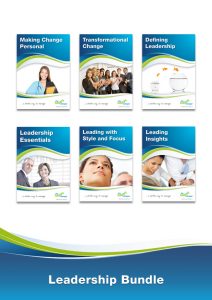 For more leadership resources look at our great-value guides. These include some excellent tools to help your personal development plan. The best-value approach is to buy our Leadership bundle, available from the store.
We’ve bundled together these five e-guides at half the normal price! Read the guides in this order, and use the tools in each, and you’ll be well on your way to achieving your personal development plan. (6 guides, 167 pages, 27 tools and 22 insights, for half price!)
- Leadership Essentials
- Defining Leadership
- Leading Insights
- Leading with Style and Focus
- Transformational Change
- Making Change Personal