Important Financial Literacy Tools for Every Young Professional
29 October 2026
Why Financial Literacy Deserves Management Attention
Money worries rarely stay at home when the working day starts. PwC’s 2026 Employee Financial Wellness Survey of nearly 3,500 US employees found that 59% were stressed about their finances. Among Gen Z respondents, 71% said that stress reduces their productivity. Many younger staff are also working it out as they go. Overall, 41% said their education or background had not prepared them to manage money. Managers rarely see the cause of a distracted or anxious colleague, but they certainly see the effect. Financial literacy tools will not fix low pay or rising prices. They do, however, give early-career employees a practical way to see where their money goes. They also help people plan ahead and ask better questions.
The pattern is not only American. In Australia, Moneysmart surveyed Gen Z adults aged 18 to 28. Some 91% had acted, or planned to act, on rising living costs. Only 39% had built a budget. That gap between intention and action is where practical financial literacy tools help. It is also where a supportive manager can make a difference. Good workplace well-being practice starts from a simple idea. People do their best work when worry is not crowding out their attention. This guide walks through five types of financial literacy tools that young professionals commonly use. Managers and early-career colleagues can then talk about them with confidence.
A Note on the Examples Used
This article uses a Philippines-based e-wallet provider as its example of a digital wallet. It illustrates the category and is not a recommendation for readers elsewhere. The other four tools are described in general terms. Readers elsewhere can apply the same ideas using providers regulated in their own market. They should confirm that any provider is licensed or regulated where they live before opening an account.
Five Financial Literacy Tools Every Young Professional Should Know
It is never too early to build good financial habits. Young professionals are just starting to manage their own income, expenses and responsibilities. Sound financial knowledge helps them make better decisions about budgeting, saving, investing and managing debt. That lays a foundation for long-term stability and independence. Good financial literacy tools simplify complex ideas, add convenience and give practical guidance. The best ones help people build healthy habits early and avoid costly missteps. Here are five categories worth understanding and using.
1. E-Wallets and Mobile Banking Apps
E-wallets and mobile banking apps have become essential tools for managing money. They suit young professionals who are always on the go. These apps make it easier to track spending, transfer money, pay bills and set aside savings. With a digital e-wallet like that of the Philippines’ Maya on hand, users no longer need to visit banks or payment centres, as everything is accessible from their smartphones.
For young professionals who may feel overwhelmed by personal finances, these apps streamline day-to-day money management. They make it easier to stay on budget and avoid missed payments. Real-time tracking also lets users see where their money goes, which encourages more responsible decisions and timely adjustments. Their accessibility can also help people in rural or remote areas open accounts without a nearby bank branch.
2. Budgeting and Expense Tracking Tools
Budgeting and expense tracking tools are valuable for understanding monthly spending patterns, which are essential for effective financial management. These apps help organise expenses into categories, set monthly budgets and track spending over time. With a clear view of their habits, young professionals can decide where to cut back or save more. That helps them avoid overspending.
Regular use also reinforces financial discipline. Sticking to a budget and monitoring progress helps young professionals spot spending patterns and areas for improvement. That lays the groundwork for a healthy financial routine. It also prepares them for both expected and unexpected expenses.
3. Credit Cards and Rewards Programmes
When used responsibly, credit cards can be a valuable tool for managing finances. They offer the convenience of deferred payments. They also offer the chance to earn rewards points, cashback and other perks that can boost savings.
Credit cards also play a key role in building a strong credit history. That history is essential for future goals such as buying a home or securing a loan. Learning to use them effectively is an important part of financial literacy. Managing one builds good habits such as setting spending limits, paying bills on time and watching interest charges.
4. Investment Platforms
For young professionals looking to grow their wealth, investment platforms offer an accessible entry point into the world of investing. These platforms provide access to a variety of investment options such as stocks, bonds and mutual funds. Many also include educational resources that help users learn the fundamentals, which makes it easier for beginners to get started.
Using these tools encourages long-term thinking and careful financial planning. Young professionals can better grasp concepts like how the stock market works, why diversification matters and how to manage risk. Several e-wallets and digital banking apps now include investment features, which makes investing even more convenient and accessible. Starting early gives compounding more time to work. However, all investments carry risk, and their value can fall as well as rise.
5. Financial Education Resources
Improving financial knowledge is crucial for making better financial decisions, and there is no shortage of resources to help. From online courses and blogs to trusted, properly qualified experts on social media, financial education has never been more accessible. These resources cover everything from basic budgeting to complex investment strategies. That makes it easier for young professionals to learn about and manage their finances.
With the right knowledge, a young professional can get better at avoiding costly mistakes, optimising spending and making smarter investments. These resources are important for building a solid foundation for long-term financial independence and security.
What Managers Can Do
Managers do not need to become financial coaches, and should never act as financial advisers. They can, however, make money skills easier to talk about. PwC found that employees stressed about their finances are more likely to feel embarrassed about asking for guidance. A judgement-free first conversation therefore matters. Signposting free, independent resources is safer than offering personal opinions. It helps to remind early-career staff about benefits that already support them, such as employee assistance programmes or pension schemes. PwC found that people are more likely to use a benefit once they understand the real need it meets. Above all, treat money management as a skill that can be learned like any other. In PwC’s survey, 48% of respondents were highly motivated to learn budgeting, investing, building credit and managing debt.
Final Thoughts
Financial literacy tools work best as a set. An e-wallet or banking app shows where money goes. A budgeting tool turns that picture into a plan. A credit card builds history when it is repaid on time. An investment platform puts long-term goals to work, and good education ties everything together. Used early and sensibly, financial literacy tools help young professionals build habits that last. None of them replaces qualified advice when decisions are large or complex. For managers, the message is simpler. Money stress is common among younger staff and affects their focus. A supportive conversation or a well-chosen signpost costs very little. Financial literacy is a journey rather than a one-off lesson. The sooner early-career colleagues start, the better. The more comfortable they feel asking questions, the sooner they can carve out a clear financial path. Helping them build money skills is also a natural part of supporting their personal development.
Disclosure and Disclaimer
This is a partnered post. See our disclosure policy for details. The five tool categories featured, and the e-wallet provider named as an example, were selected and provided by our partner for this post. This reflects that process, not an independent evaluation, recommendation or endorsement by The Happy Manager. The management context, and the broader relevance of financial literacy to workplace well-being, are our own editorial framing. The content on this site is provided for general information and educational purposes only. It is not intended as professional financial, investment, credit, tax or legal advice, and nothing in it is an offer or recommendation to buy or use any financial product or service. Investments can fall as well as rise in value, and you may get back less than you put in. Credit carries costs, and borrowing should be considered carefully. Regulation and consumer protection vary by country and change over time, and a provider or product available in one country may not be available or regulated in another. UK readers can find impartial guidance from MoneyHelper and should check that any firm is authorised by the Financial Conduct Authority. US readers can find guidance from Investor.gov and should check that any adviser or broker is properly registered. Australian readers can find guidance from ASIC’s Moneysmart. Readers elsewhere should check that any provider is licensed or regulated in their own country. Readers should seek qualified professional advice for their specific situation. The Happy Manager and Apex Leadership Ltd accept no liability for actions taken in reliance on the content of this article.
Further Reading
- MoneyHelper: Budget Planner — A free tool from the UK’s government-backed Money and Pensions Service that records spending, breaks finances down by category and offers personalised tips in about five to ten minutes. Read the guide
- ASIC Moneysmart: Cost-of-Living Help — Australia’s free, independent consumer hub, bringing together a budget planner, savings goals and credit card calculators, and guidance on managing everyday costs. Read the guide
- MyMoney.gov: Savings and Investing — The US government’s hub for saving and investing, collecting free tools and guides from agencies including the FDIC and the SEC. Read the guide
- OECD: International Survey of Adult Financial Literacy 2023 — An international comparison of financial knowledge, behaviour and attitudes across 39 countries and economies, useful context for managers working with diverse teams. Read the report
References
- PwC (2026). PwC’s 2026 Employee Financial Wellness Survey. (Online survey of nearly 3,500 US employees, January 2026: 59% stressed about finances; 71% of Gen Z report reduced productivity; 41% say their education or background did not prepare them to manage finances; 48% highly motivated to learn money skills.) https://www.pwc.com/us/en/services/consulting/human-resources/library/employee-financial-wellness-survey.html
- ASIC (2026). Moneysmart encourages Australians to take 10 minutes to build a budget this new financial year. (YouGov survey of 1,127 Australians aged 18 to 28: 91% have or plan to respond to the cost of living; 39% have done a budget.) https://www.asic.gov.au/about-asic/news-centre/news-items/moneysmart-encourages-australians-to-take-10-minutes-to-build-a-budget-this-new-financial-year/
- U.S. Securities and Exchange Commission, Investor.gov (2026). Introduction to Investing. (All investments involve risk; the earlier investing starts, the greater the impact of compounding.) https://www.investor.gov/introduction-investing
Header Image by Евгения from Pixabay
Leadership Resources
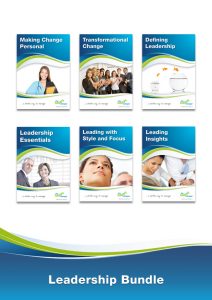 For more leadership resources look at our great-value guides. These include some excellent tools to help your personal development plan. The best-value approach is to buy our Leadership bundle, available from the store.
We’ve bundled together these five e-guides at half the normal price! Read the guides in this order, and use the tools in each, and you’ll be well on your way to achieving your personal development plan. (6 guides, 167 pages, 27 tools and 22 insights, for half price!)
- Leadership Essentials
- Defining Leadership
- Leading Insights
- Leading with Style and Focus
- Transformational Change
- Making Change Personal