How to Delegate Tasks Without Losing Control
27 October 2026
It is seven in the evening. The office has gone quiet and you are still formatting a report that someone else could have finished before lunch. It would have been faster to do it yourself, you tell yourself, just as you did yesterday. That habit is not diligence. It is how managers end up worn out while their teams stay exactly where they are. When you delegate tasks well, you buy back the hours for work that is truly yours: thinking things through, making the hard calls and looking after people.
A useful way to think about management is as a balance of head, hand and heart: knowledge, practical skill and care for people. Delegation draws on all three. This article takes a practical route through this critical management task, following the order in which a manager actually works: choose the task, brief it, check in, then learn from the result.
Why Managers Struggle to Let Go
Most managers know they should delegate tasks, and many still do not. Doing the work yourself feels quicker and safer, and holding on to everything can make you feel indispensable. FM Magazine makes a pointed observation: it may take less time to do a job yourself than to teach someone else, but developing people is part of a manager’s job, so the shortcut undermines your own role.
What Your Team Hears
Keeping everything sends a message you may not intend. Your team hears that their growth is not on your list. Delegating meaningful work, not only the dull tasks, signals trust, and people who feel trusted tend to commit more strongly to their work and their manager. For the strategic case, see this article on smart delegation.
Decide What to Delegate
Start with evidence, not instinct. Keep a running list for one week, writing down each thing you finish with a rough time beside it. “Renamed files, forty minutes.” “Chased three invoices, an hour.” The list will be ugly but useful. Circle the three items that ate the most hours, then sort everything into three piles: only I can do this, I would rather keep this, and anyone with clear instructions could do this.
Begin with the third pile. Inbox sorting, scheduling, expense reports, research, data entry and meeting notes usually belong there. The first pile stays with you and should hold hiring decisions, performance conversations, strategy and anything confidential.
The Middle Pile
The middle pile is where most of us argue with ourselves, so leave it for now. If you are unsure where something belongs, picture it going slightly wrong. Could you fix it inside a day? Then hand it over. If not, keep it a little longer and train someone up. Jobs in the middle pile often drift into the third once you have written a decent brief.
Write a Brief That Works
Most attempts to delegate tasks fail at the briefing stage. “Can you look after the newsletter?” is not a handoff. This is: “Send the newsletter every second Thursday by noon. Use last month’s template, pull the top three articles from the blog and get me a draft by Tuesday afternoon.”
A good brief answers four questions. What does done look like? When is it due? What can they decide alone? When do they come back to you? Try answering the first in a single sentence. If you cannot, the task is not ready. Vague instructions produce vague results. Harvard Business School Online makes the same point: simply dumping work on someone is not delegating, so define the outcome you want and give the person the resources and authority to reach it.
Capture the Process Once
Write the process down one time. Screenshots in a short document will do, or a five-minute screen recording. That way you stop explaining the same steps for the third time, and anyone can take over next month, whether it is a colleague covering a holiday or the person you bring in when you hire a virtual assistant.
Agree How You Will Check In
People do their best work when they feel trusted, and they stop trying when someone hovers over their shoulder all day. Agree check-ins before the work starts, not once your nerves kick in, and you stay in control when you delegate tasks. A quick Monday message and a Friday review is plenty for most jobs. Save daily updates for new starters or risky work. Acas advises agreeing how performance will be managed and measured, and making sure people have different ways to stay in touch, which suits distributed teams in particular.
Give Feedback That Teaches
Expect the first result to come back rough. A wrong template, a missing link or a typo in the subject line is normal. Do not grab the task back. Ask what got in the way, fix the brief and let them try again. When something goes well, say so, and say why. “That summary was clear, and I used it straight away” does far more than “good job”.
How to Delegate Tasks Across Time Zones
Plenty of teams now span several cities and countries, which adds a wrinkle. A question sent at 4 p.m. in Denver reaches someone in Manila at 6 a.m. the next day in summer, so an answer may land while you are asleep and the whole day stalls. More meetings will not fix that. Clearer written briefs will, along with shared documents and one daily window when everyone overlaps for a live chat. Globaltize has a handy walkthrough on how to manage a remote team across time zones if you are setting that rhythm up.
Start Small This Week
Pick one task from the third pile and keep it boring. If you are not sure which, take the one you resent most. Write the four-point brief, hand it over on Monday and check in on Friday. Note how much time came back to you, then do it again with something a little bigger.
Final Thoughts
You do not need to give away half your job. Give away whatever keeps you from the part that matters. Choose tasks from evidence, write briefs that answer four questions, agree check-ins early and treat rough first results as feedback to act on. Learning to delegate tasks is a skill that grows with practice, and small wins build the habit. The evenings get quieter, and the team gets stronger and sharper too.
Disclosure and Disclaimer
This is a partnered post. See our disclosure policy for details. The content on this site is provided for general information and educational purposes only. It is not intended as professional management, HR or employment advice. Employment rules, contractor arrangements and working-time requirements vary by jurisdiction and change over time. UK readers should refer to current guidance from Acas before changing working arrangements for their team. US readers should note that federal and state requirements differ and should consult a qualified adviser. Readers should seek qualified professional advice for their specific situation. The Happy Manager and Apex Leadership Ltd accept no liability for actions taken in reliance on the content of this article.
Further Reading
- The Art (and Science) of Letting Go: Mastering Delegation for Better Results — Ohio State University Extension (US): A fact sheet on deciding what to delegate, including using the urgent-important matrix to sort tasks. Read the fact sheet
- Things to Consider: Home and Hybrid Working Policies — Acas (UK): What managers should weigh when work is done away from the workplace, including how teams communicate and which tasks depend on timing. Read the guidance
- Hybrid Working: A Passing Fad or Here to Stay? — Acas (UK): The Acas chief executive on why managers need support to rethink communication, collaboration and wellbeing for remote and hybrid teams. Read the article
References
- Harvard Business School Online (n.d.), How to Delegate Effectively: 9 Tips for Managers (define the desired outcome; provide resources and authority; deliver feedback after delegated tasks). https://online.hbs.edu/blog/post/how-to-delegate-effectively
- FM Magazine (2024), Effective delegation: How managers can empower their teams (developing people is part of a manager’s role; trusted employees show higher commitment; start with small tasks). https://www.fm-magazine.com/news/2024/may/effective-delegation-how-managers-can-empower-their-teams/
- Acas (n.d.), Managing employees who work from home (agree how to manage and measure performance; provide different ways to stay in touch). https://www.acas.org.uk/managing-staff-who-work-from-home
Image by Tung Lam from Pixabay
Leadership Resources
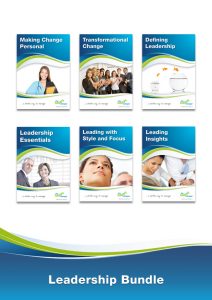 For more leadership resources look at our great-value guides. These include some excellent tools to help your personal development plan. The best-value approach is to buy our Leadership bundle, available from the store.
We’ve bundled together these five e-guides at half the normal price! Read the guides in this order, and use the tools in each, and you’ll be well on your way to achieving your personal development plan. (6 guides, 167 pages, 27 tools and 22 insights, for half price!)
- Leadership Essentials
- Defining Leadership
- Leading Insights
- Leading with Style and Focus
- Transformational Change
- Making Change Personal