Workplace Comfort: Why It Matters More Than Most Managers Realise
21 July 2026
Workplace Comfort: Why It Matters More Than Most Managers Realise
The Physical Environment as a Performance Variable
Workplace comfort rarely makes it onto the management agenda until something goes wrong — a rash of back-pain-related absences, a wave of complaints about the office temperature, or a staff survey that surfaces unexpected frustration about working conditions. By that point, the problem has already been costing the organisation in lost productivity, lower morale, and the quiet disengagement that precedes people leaving.
The evidence for taking this more seriously is considerable. Around half of all working days lost to ill health in the UK are caused by musculoskeletal disorders — back pain, neck strain, and repetitive strain injuries — according to HSE statistics. These are conditions that ergonomic investment directly prevents. Meanwhile, presenteeism — the pattern of employees being at work but functioning at reduced capacity because of pain or discomfort — is estimated to cost employers significantly more than absenteeism, precisely because it’s less visible and therefore less likely to trigger a response.
Workplace comfort isn’t a luxury. It’s a basic operational condition for effective performance — and one that sits squarely within a manager’s sphere of influence. This article covers four areas where physical comfort affects team performance, and what managers can do about each of them.
The Cognitive Cost of Physical Discomfort
The mechanism through which physical discomfort affects mental performance is worth understanding, because it explains why the problem is more serious than it first appears. When an employee is sitting on an uncomfortable chair, working in poor light, or tolerating a persistent draught, their brain doesn’t simply ignore the discomfort and get on with the work. It allocates cognitive resources to managing it.
Cognitive load and what it means for your team
This is sometimes described in terms of cognitive load — the total demand placed on a person’s working memory and attention. Physical discomfort adds to that load, continuously and subconsciously. The result is less mental capacity available for the actual job: less focus, more errors, lower-quality decisions, and a general sense of frustration that accumulates over time. Remove the physical irritant and you free up that capacity for the work itself.
The signal this sends to employees matters too. A workplace that takes physical comfort seriously communicates something important: that the organisation values the people working in it, not just the output they produce. That perception influences trust, morale, and the psychological safety that makes teams function well. Ignoring comfort — particularly when employees have raised concerns — communicates the opposite. Good leadership and workplace wellbeing practice recognises that the physical environment is part of the management environment, not separate from it.
Workwear and the Overlooked Source of Daily Discomfort
For many industries, workwear is a daily part of the job that rarely gets the management attention it deserves as a comfort factor. Ill-fitting, restrictive, or non-breathable clothing can distract employees throughout their entire shift — affecting not only physical comfort but also confidence and focus.
Practical and active roles
In sectors involving sustained physical activity — logistics, hospitality, healthcare, care settings — workwear that doesn’t support movement comfortably can hinder performance and, in some circumstances, create a genuine safety risk. Stiff fabrics that restrict range of motion, or materials that trap heat during long active shifts, create a constant low-level physical cost that employees simply absorb. For roles that require specific uniforms, the quality of those garments matters considerably. Providing high-quality scrubs trusted by medical professionals in healthcare and care settings, for example, makes a tangible difference to daily comfort and the ability to focus on the people being cared for rather than the clothes being worn.
Reviewing the workwear policy is a practical and often low-cost way for managers to demonstrate genuine care for their team. The relevant questions are specific: Are the materials appropriate for the environment and the physical demands of the role? Does the sizing accommodate the full range of body shapes in the team? Could offering choices in fit or fabric make a meaningful difference to daily comfort? Involving employees in decisions about new uniforms — rather than simply presenting a done deal — also tends to improve both the outcome and the sense of investment in the result.
Creating a Supportive Physical Environment
Beyond clothing, the wider workspace design plays a significant role in whether employees can do their best work. Paying attention to key elements of the office environment and wellbeing is a genuine management priority, not a facilities management afterthought. Four areas consistently produce the greatest impact.
Ergonomics
Poor posture caused by unsuitable seating and desk setups is one of the most common and most preventable sources of workplace ill health. The British Safety Council identified ergonomics as a critical priority in its 2025 Workplace Health report, noting that poor ergonomic environments — particularly in home-based hybrid setups — continue to contribute to musculoskeletal problems that affect both health and productivity. Adjustable chairs, monitor stands, and keyboards that support natural positioning are investments in long-term health and performance, not optional extras. Employees should be shown how to adjust their setups properly — simply providing equipment without guidance doesn’t reliably produce the right configuration.
Lighting
Inadequate or harsh lighting causes eye strain, headaches, and fatigue that accumulate throughout the working day. Where natural light is available, it should be maximised. In areas without windows, layered lighting that combines ambient and task illumination works better than uniform overhead fluorescent, which can feel oppressive in sustained use. For hybrid teams working from home, the lighting environment varies enormously — a question about whether home workspace lighting is adequate is worth including in regular check-ins, particularly as many remote workers don’t have ergonomic assessments that cover their home setup.
Temperature and air quality
Office temperature is a perennial source of disagreement, and there is rarely a single setting that suits everyone. Where possible, giving teams some control — personal desk fans, designated warmer zones for those who get cold easily — reduces the friction considerably. Good ventilation is equally important: poorly ventilated rooms produce rising carbon dioxide levels that directly contribute to the afternoon energy slump that many employees attribute to other causes. Opening windows when conditions allow is one of the simplest and most effective comfort interventions available.
Noise
Background noise is one of the most consistent barriers to sustained concentration in open-plan environments. Designated quiet zones for focused work, acoustic panels and soft furnishings that absorb sound, and noise-cancelling headphones for individual use are all practical responses. The cultural dimension matters too: establishing shared norms about noise levels in different parts of the workspace, so that people don’t feel they’re making a social statement by needing quiet, reduces friction and makes the physical solution more effective.
Practical Steps Managers Can Take
Understanding the importance of comfort and actually improving it are different things. Several straightforward actions tend to produce the most impact.
Start by listening systematically. A brief anonymous survey asking specific questions about chair comfort, lighting, temperature, and noise levels provides a much clearer picture than relying on people to raise concerns informally — which many won’t. Anonymous employee surveys are particularly valuable here, because discomfort can feel like a small thing to raise and employees may not want to appear difficult by mentioning it.
Give team members genuine control over their immediate environment. Allowing people to personalise their workspace, adjust lighting in their area, or choose where they sit for focused work isn’t a concession — it’s a recognition that autonomy over the physical environment contributes to engagement and a sense of belonging. For hybrid workers, the question of home office setup deserves specific attention. A stipend toward an ergonomic chair or a second monitor for remote work can produce significant returns in wellbeing and productivity for relatively modest cost.
Measuring What Changes
Making changes is only half the task. Tracking whether those changes have produced the intended effect creates accountability, builds the business case for further investment, and demonstrates to employees that their feedback has actually led to something.
The relevant metrics are both quantitative and qualitative. On the quantitative side, absenteeism and staff turnover are the clearest signals that comfort and wellbeing improvements are having a sustained effect. A reduction in musculoskeletal-related sick days following ergonomic investment is a direct and measurable return. Lower turnover following workwear or workspace improvements is a lagging indicator, but a meaningful one. On the qualitative side, a follow-up survey three to six months after changes are made gives employees a structured opportunity to report what they’ve noticed — and demonstrates that the feedback loop is real rather than performative.
The organisations investing seriously in workplace comfort in 2026 are doing so because the evidence is unambiguous: physical working conditions shape cognitive performance, health outcomes, and the signals employees receive about how much the organisation values them. Managers who take that seriously don’t just create more comfortable workplaces. They create workplaces where people can genuinely concentrate, contribute, and stay. The Knowledge Hub on managing performance and team wellbeing covers the broader management practices that support this kind of sustained, evidence-based investment in the conditions for high performance.
Further Reading
- British Safety Council: Adaptability, Ergonomics and Wellbeing — Building Blocks for the Workplace in 2025 — An authoritative overview of the ergonomics challenge in hybrid working environments, with particular attention to the gap in provision for home-based workers. Read the article
- CPD Online College: Ergonomics — 10 Ways to Boost Workplace Happiness — A practical, UK-focused guide to ergonomic workplace improvements, including HSE musculoskeletal disorder statistics and ROI data for ergonomic investment. Read the article
- CIPD: Health and Wellbeing at Work 2025 — The CIPD’s annual report on workplace health, covering absence rates, presenteeism, and the management practices most strongly associated with positive wellbeing outcomes. Read the report
Header Photo by Vitaly Gariev on Unsplash
Disclaimer
The content on this site is provided for general information and educational purposes only. It reflects the author’s views and experience and is not intended as professional health and safety, ergonomic, or HR advice. Workplace health and safety requirements vary by sector and jurisdiction. Readers should refer to current HSE guidance and seek appropriate professional assessment before making significant changes to workplace setups. The Happy Manager and Apex Leadership Ltd accept no liability for actions taken in reliance on the content of this article.
References
- Health and Safety Executive (2025). Health and Safety at Work: Summary Statistics for Great Britain 2025. (511,000 workers suffering from work-related musculoskeletal disorders; 7.1 million working days lost to MSDs in 2024/25.) https://www.hse.gov.uk/statistics/assets/docs/hssh2425.pdf
- British Safety Council (2025). Adaptability, Ergonomics and Wellbeing: Building Blocks for the Workplace in 2025. https://www.britsafe.org/safety-management/2025/adaptability-ergonomics-and-wellbeing-building-blocks-for-the-workplace-in-2025
- Briotix Health (2025). Office Trends for 2026: Ergonomic Solutions for a Changing Workplace. https://news.briotix.com/office-trends-for-2026
- CIPD (2025). Health and Wellbeing at Work 2025. https://www.cipd.org/uk/knowledge/reports/health-well-being-work/
- Ergonix (2024). Why Prioritising Ergonomics and Wellbeing at Work Is Essential for Employee Retention and Productivity. https://ergonix.co.uk/why-prioritising-ergonomics-and-wellbeing-at-work-is-essential-for-employee-retention-and-productivity/
Leadership Resources
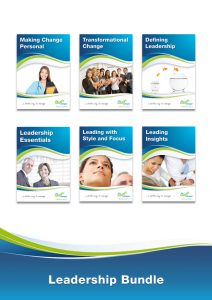 For more leadership resources look at our great-value guides. These include some excellent tools to help your personal development plan. The best-value approach is to buy our Leadership bundle, available from the store.
We’ve bundled together these five e-guides at half the normal price! Read the guides in this order, and use the tools in each, and you’ll be well on your way to achieving your personal development plan. (6 guides, 167 pages, 27 tools and 22 insights, for half price!)
- Leadership Essentials
- Defining Leadership
- Leading Insights
- Leading with Style and Focus
- Transformational Change
- Making Change Personal
Blog Content: Most blog pages on this site are from sponsored or guest contributors. Although we may receive payment for these, all posts are vetted to ensure they meet our editorial standards and offer value for our readers.
>> Return to the Leadership Knowledge Hub