Making Strategic Decisions About Business Assets
3 September 2026
Managing your business assets well is one of the clearest paths to long-term growth and profit. Every company, big or small, has assets that add to its value and help it operate day to day. How you handle these assets, from buying them to eventually retiring them, shapes your cash flow and your efficiency. It shapes where the business ends up in five or ten years too. Strategic asset management isn’t a back-office function you set once and forget. It’s a continuous discipline that shapes almost every other decision the business makes.
Asset Management Fundamentals
Simply put, asset management is about tracking, maintaining, and getting the most from your company’s resources. The goal is to maximise their value while minimising risk. These resources can be physical, like machinery, vehicles, and real estate. They can also be intangible, like patents, your brand’s reputation, and customer data.
The first step is building a clear inventory. You need to know exactly what you have, where it is, its current condition, and how much it’s worth. This information forms the foundation for every decision that follows. It shapes when to carry out maintenance, when to replace something, and where to invest next. Without a solid grasp of your assets, you’re essentially guessing. You can’t accurately predict costs or move quickly on growth opportunities if you don’t know what you’re starting from.
Why Intangible Assets Deserve Equal Attention
It’s easy to think of asset management as mainly a physical-assets discipline: buildings, vehicles, equipment. That instinct is increasingly out of date. Ocean Tomo’s long-running market value study tracks this shift directly. Intangible assets, patents, brand, data, and other non-physical capital, now make up around 92% of the total market value of S&P 500 companies. In 1975, that figure was just 17%. For most businesses today, the majority of what they’re actually worth doesn’t show up as something you can walk up and touch. Treating intangible assets as an afterthought in your inventory means genuinely not knowing where most of your value sits.
Evaluating Property Investments
For many businesses, real estate is one of the biggest assets on their books. Property decisions deserve the same rigour as anything else in a strategic asset management approach. When you’re looking at a potential property investment, the decision goes well beyond the initial price tag. You have to think about location and local building rules. You have to weigh how much its value might grow against the ongoing costs of running and maintaining it. Thorough research helps you uncover hidden problems and hidden opportunities. Both can significantly change what the property is actually worth to you over time.
One crucial area to check is how much it will cost to customise the space, and how complicated that will be. If you’re considering a commercial property that needs substantial changes to fit your business, the budget for tenant improvements becomes a major factor. It can determine whether the investment makes financial sense overall. You need to weigh these upfront costs, construction, finishing, system installations, against the potential benefits of the property. A place that looks affordable at first glance can quickly become a money pit. The necessary upgrades often turn out more extensive and expensive than expected.
Maximizing Asset Value
Once you own an asset, the focus shifts to making sure it delivers maximum value throughout its entire lifespan. This isn’t something you set up once and forget. It demands active management and ongoing planning. For physical assets like buildings and equipment, that means a strong maintenance programme. Good maintenance extends working life and prevents expensive breakdowns. Regular upkeep is almost always cheaper than emergency repairs.
The Maintenance-vs-Replacement Decision
One of the more difficult calls in strategic asset management is knowing when to stop repairing something and start replacing it. A piece of equipment that keeps working after enough patching isn’t automatically the cheaper option. Rising maintenance costs eat into that case. So does more frequent downtime and falling resale value. Here’s a useful rule of thumb: watch for annual maintenance costs climbing past roughly half of what replacement would cost. Watch too for downtime that’s starting to affect delivery or output. Either sign means it’s worth running the replacement numbers properly, rather than defaulting to another repair. Make this comparison a scheduled review, not a reactive one triggered every time something breaks. That produces better decisions with less pressure attached.
Beyond maintenance, think about how you can actively boost an asset’s contribution to the business. Effective property asset management means looking for ways to bring in more money or cut operating expenses. That could mean renovating a commercial space to attract higher-paying tenants. It could mean investing in energy-efficient upgrades to lower utility bills, or finding new uses for space that isn’t fully used. For intangible assets like software or intellectual property, maximising value might mean licensing agreements or new applications that create additional income streams. The underlying discipline is the same either way. Constantly evaluate how each asset actually helps the bottom line, rather than assuming it still earns its keep just because it always has.
Long-Term Financial Planning
Smart decisions about assets are deeply connected to your long-term financial plans. Every time you buy, sell, or upgrade something, it affects your cash flow. It affects how much you owe in tax, and your overall valuation too. Understanding how assets lose value over time, depreciation, is essential for accurate financial reporting and tax strategy. It’s a piece of strategic asset management that’s easy to leave entirely to the accountant. The way an asset’s value decreases can be accounted for in different ways. The method you choose directly affects your taxable income in a given year.
Straight-Line Versus Accelerated Depreciation
Most businesses default to straight-line depreciation without ever really weighing the alternative. Straight-line spreads an asset’s cost evenly across its useful life. It’s simple, predictable, and easy to explain to a lender. Accelerated methods front-load the deduction into the earlier years instead. That reduces taxable income sooner rather than later. Neither approach is universally right. A business prioritising clean, stable financials for investors or lenders often does better with straight-line. One that needs the cash flow benefit of a lower tax bill now may get more value from accelerating the deduction, particularly after a major property investment or renovation. This is exactly the kind of decision worth reviewing with an accountant before, not after, a major asset purchase. The choice is far easier to plan for in advance than to unwind later.
Your long-term plan should also include a strategy for when you’ll eventually get rid of each major asset. Knowing when and how to sell off an asset is just as important as knowing when to buy one. This might mean selling a property that has reached its peak value. It might mean retiring old machinery before it becomes a liability, or selling off a business unit that isn’t central to your operations. A well-thought-out asset lifecycle plan matters here. It ensures you’re not holding onto assets that are losing value or underperforming, which can quietly drag down the company’s financial health over time.
Strategic asset management is an ongoing process of evaluating, optimising, and planning. It isn’t a one-off project you complete and file away. Treating proactive management as the norm makes the real difference. Businesses that do this get ahead of asset decisions, rather than constantly reacting to them. When you see your assets not just as static items on a list, but as dynamic tools for growth, strategic asset management stops being an obligation. It becomes the thing that builds a stronger, more genuinely profitable organisation.
Disclosure and Disclaimer
This is a partnered post. See our disclosure policy for details. The content on this site is provided for general information and educational purposes only. It is not intended as professional tax, accounting, or legal advice. Depreciation methods and property tax treatment vary significantly by jurisdiction and change frequently. UK readers should note that capital allowances, not the depreciation methods discussed here, govern how asset costs are treated for UK tax purposes. US readers should note that cost segregation and accelerated depreciation rules are federal in scope but interact with state tax treatment differently. Readers should seek qualified professional advice for their specific situation. The Happy Manager and Apex Leadership Ltd accept no liability for actions taken in reliance on the content of this article.
Further Reading
- Intangible Asset Market Value Study — Ocean Tomo: The full 50-year study behind the S&P 500 intangible-value figures, including the historical chart and international comparisons. Read the study
- Real Estate Cost Segregation in California — R.E. Cost Seg: A deeper look at how cost segregation studies work and the typical scale of tax savings involved. Read the guide
References
- Intangible Asset Market Value Study — Ocean Tomo
- Tenant Improvements: Who Depreciates — R.E. Cost Seg
- What is Property Asset Management? — ICMS
- Why Proactive Management Is Key to Long-Term Success — The Happy Manager
Header image by Unsplash
Leadership Resources
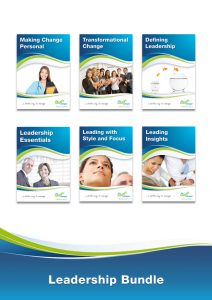 For more leadership resources look at our great-value guides. These include some excellent tools to help your personal development plan. The best-value approach is to buy our Leadership bundle, available from the store.
We’ve bundled together these five e-guides at half the normal price! Read the guides in this order, and use the tools in each, and you’ll be well on your way to achieving your personal development plan. (6 guides, 167 pages, 27 tools and 22 insights, for half price!)
- Leadership Essentials
- Defining Leadership
- Leading Insights
- Leading with Style and Focus
- Transformational Change
- Making Change Personal