How to Build a Workplace Culture That Supports Disability Claims Fairly
2 September 2026
Every workplace says people come first, but the claim gets tested on specific days: the day someone discloses a diagnosis, the day a claim form lands on HR’s desk, the day a colleague returns after months away. How an organisation behaves on those days tells employees more about its culture than any values poster ever will.
This same gap gets shaped daily through hiring choices, accommodation practices, and how disability claims are met when they arrive. Building a culture that supports claims fairly comes down to preparing before anyone files: clear policies, trained managers, and privacy people can trust.
Here’s exactly what that preparation actually looks like in practice.
Note for Non-US Readers
The management principles in this article — clear policy, consistent process, anti-stigma culture, and fair return-to-work practice — apply to any organisation, anywhere. The specific legal framework and some of the terminology reflect the US context, particularly in relation to Social Security Disability claims. Non-US readers should apply the underlying principles to the equivalent legislation and processes in their own jurisdiction. This is a paid partnership article; see our disclosure policy for details.
Create Clear Policies for Disability Leave and Accommodation
Ambiguity is the enemy of fair treatment, because ambiguous processes get resolved by whoever holds power in the moment. Research published in the National Institutes of Health’s PMC archive found that 59 percent of workplace accommodations cost employers nothing, yet many managers still overestimate the burden and improvise instead of following policy. Written clarity is the first repair:
- Who an employee contacts first, and what happens within the first week
- What documentation is needed, and what will never be asked for
- How accommodation decisions are made and how to appeal one
- How job protection, pay, and benefits interact during a leave
When those answers exist in writing, employees can plan instead of fear, and every disability claim starts from the same map regardless of who files it.
Train Managers to Respond Consistently to Employee Claims
Most employees disclose to a direct manager first, which makes that conversation the hinge of the whole experience. Untrained managers improvise, and improvisation breeds the inconsistency that becomes grievances: outcomes start depending on which supervisor someone happened to draw.
Training fixes the variance. Give managers scripts for the disclosure conversation, a list of what they must never ask, and one routing path into HR so every disability claim enters the same process. Permission to say “I’ll find out” beats a confident wrong answer. Consistency is fairness in practice — and the organisation’s best legal protection too. The managing performance section of the Knowledge Hub covers the broader principles of consistent, fair management practice that underpin this approach.
Protect Employee Privacy Throughout the Claims Process
Nothing tests trust like medical information, and nothing destroys it faster than that information travelling. Diagnosis details belong only with people who genuinely need them, held separately from personnel files. Colleagues get what workload planning requires and not a sentence more.
Privacy discipline pays forward. Employees watch how the current disability claim is handled and decide whether their own future disclosure would be safe. One breach teaches a workforce to hide symptoms until claims arrive late and undocumented. Confidentiality, visibly practised, is what makes early honesty rational.
Avoid Stigma Around Disability and Extended Absences
Policy can be perfect, and culture can still whisper that claiming benefits means letting the team down. Leaders counter stigma by treating disability leave like parental leave: a normal, planned-for part of working life, with cover arranged rather than resented.
Part of reducing stigma means actively signposting the external support available to employees rather than leaving them to find it alone. Many people delay seeking specialist help — legal, occupational, or financial — not because they do not need it but because they do not know where to start or fear that asking will be held against them. Employers who maintain a current referral list remove that barrier. Where disability claims have a legal dimension, the advice employees receive needs to reflect their specific jurisdiction — the rules, timescales, and processes vary significantly by location. For Utah residents, for example, finding the best Utah SSD law firm for their circumstances is often the first practical step toward a successful claim.
Stigma also lives in small habits: the joke about someone’s light duties, the sighs when cover is discussed. Leaders who correct those moments publicly set the real policy, whatever the handbook says.
Keep Communication Clear Without Pressuring Employees
Silence during a claim breeds anxiety, but constant check-ins read as surveillance. The balance is structured, predictable contact:
- One named contact person, so the employee never retells their story
- A set cadence for updates, agreed with the employee at the start
- Messages about process and logistics, never about hurrying recovery
- Every conversation confirmed in writing so nothing is disputed later
The target is simple: the employee finishes every exchange knowing what happens next and feeling zero obligation to return early. Clarity and pressure are different things.
Support a Fair Return-to-Work Process When Appropriate
Return-to-work is where support becomes real or quietly evaporates. A fair process starts with medical guidance rather than the roster’s convenience: phased hours, modified duties, or equipment changes agreed before day one, with a review date so adjustments can evolve.
Fairness also means resisting two classic failure modes: rushing people back to prove commitment, and sidelining returners into diminished roles as quiet punishment. Both teach the workforce that disability claims carry a price. A well-run return teaches the opposite lesson and recovers an experienced employee at a fraction of replacement cost. Supporting workplace well-being through periods of absence and return is one of the most visible tests of whether a manager’s stated values match their actual behaviour.
Review Workplace Practices to Identify Gaps and Bias
Fair systems drift without maintenance. An annual review of the claims actually handled — not the policy as written — reveals where reality diverged: how long decisions took, whether outcomes varied by department, and where employees went outside the process because the inside route failed.
Treat patterns as findings, not accusations. If one division generates disputes while another generates smooth returns, the difference is training or culture, and it’s fixable. Employees who’ve been through the process will tell you more than any audit checklist. Organisations that stay fair are the ones that keep checking.
What good review practice looks like
An effective review doesn’t require an external consultant or a lengthy audit. A structured conversation with HR and a sample of line managers — asking where the process felt unclear, where decisions took longest, and where employees sought help outside the system — surfaces most of the useful information. Anonymous feedback from employees who have been through a claim adds the perspective the internal view misses. Set a date, keep the findings in a shared document, and track whether the same issues come up twice. If they do, the problem is structural, not individual.
Final Thoughts
Building a workplace that supports disability claims fairly means building it in advance: policies anyone can read, managers who respond the same way in every department, privacy that holds, communication that informs without pushing, and returns that restore rather than penalise. Then it means reviewing honestly enough to catch drift before employees feel it.
None of this needs a big budget — only decisions made before they’re urgent. The payoff arrives quietly in experienced people who stay and disability claims that never become battles. Every organisation eventually faces these moments. The only question is whether it meets them prepared, and “prepared” is a choice.
Disclosure and Disclaimer
The information in this article is provided for general guidance only. It reflects the views and experience of the contributor and does not constitute professional legal, HR, or compliance advice. Employment law and disability rights legislation vary by jurisdiction; readers should seek independent specialist advice appropriate to their own country and circumstances before making decisions based on this content. The Happy Manager and Apex Leadership Ltd accept no liability for actions taken in reliance on the information provided here.
Further Reading
- CIPD — Absence Management: Practical guidance on managing short and long-term absence fairly, including disability-related leave and return-to-work processes. cipd.org
- ACAS — Disability Discrimination: Clear guidance for employers on their legal obligations around disability, reasonable adjustments, and fair treatment during employment. acas.org.uk
- NIH PMC — Workplace Accommodations Research: The peer-reviewed study cited in this article, examining the cost and effectiveness of workplace accommodations for disabled employees. pmc.ncbi.nlm.nih.gov
References
- NIH PubMed Central (2020). Workplace Accommodations: Evidence-Based Outcomes. pmc.ncbi.nlm.nih.gov
- CIPD (2024). Absence Management. cipd.org
- ACAS (2024). Disability Discrimination. acas.org.uk
Leadership Resources
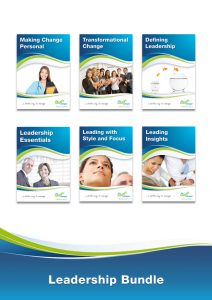 For more leadership resources look at our great-value guides. These include some excellent tools to help your personal development plan. The best-value approach is to buy our Leadership bundle, available from the store.
We’ve bundled together these five e-guides at half the normal price! Read the guides in this order, and use the tools in each, and you’ll be well on your way to achieving your personal development plan. (6 guides, 167 pages, 27 tools and 22 insights, for half price!)
- Leadership Essentials
- Defining Leadership
- Leading Insights
- Leading with Style and Focus
- Transformational Change
- Making Change Personal