Sales Team Morale: Why Lead Quality Matters
1 September 2026
A sales team stuck working poor-quality leads is a team headed toward burnout. The numbers drop first. But the real damage usually lands somewhere more personal. When talented salespeople spend their days facing rejection from people who were never going to buy, sales team morale takes the hit directly. This isn’t just a sales problem. It’s a people problem, and it affects the organisation’s health as much as its bottom line.
The answer isn’t pushing the team harder. It’s changing the quality of opportunities they’re given in the first place. Focus on quality over quantity, and a demotivated team can become a genuinely high-performing one. Protecting sales team morale starts well before a single call gets made.
The Impact of Unqualified Leads on Morale
Sending a sales team after unqualified leads is like asking them to run a race with their shoelaces tied together. They put in real effort and don’t get very far. Every call to a prospect who doesn’t need, can’t afford, or isn’t authorised to buy the product is a small drain on a salesperson’s resilience. Over time, this cycle of fruitless effort leads somewhere predictable and damaging.
First, it makes the work feel pointless. Sales professionals thrive on success. When their effort consistently leads to dead ends, it’s natural to feel down about it. That feeling compounds, because constant rejection can chip away at even a confident person’s self-esteem. People start doubting their own ability instead of questioning the leads they were handed. Left unaddressed, this pattern feeds staff turnover, raises stress levels, and spreads a negative mood through the whole department.
What Unqualified Leads Actually Cost
The damage isn’t just morale, either. It shows up directly on the balance sheet. If even a quarter of a sales team’s leads are clearly unqualified, that’s a quarter of the team’s payroll spend thrown away before a single deal closes. Even when an unqualified lead does convert, it often onboards a customer who drains resources or churns quickly. That adds a second cost on top of the first. Framed that way, lead quality stops being a sales-process detail. It becomes a straightforward budget decision, and one with a direct line back to sales team morale.
Why Preparation is Key to Sales Success
The way out of this spiral is thorough preparation. When a salesperson goes into a conversation knowing the prospect has genuinely been checked out, their whole mindset shifts. It stops feeling like a cold call. It becomes a warm introduction instead. That confidence is obvious to the person on the other end of the line. It directly shapes how the conversation goes.
Preparation means more than a name and a phone number. It means understanding the prospect’s business, their likely problems, and why the product or service is actually a good fit. A well-prepared salesperson can tailor their approach, ask sharper questions, and build rapport far more effectively. The interaction shifts from a sales pitch into something closer to a consultation. That lifts the odds of a positive outcome, and it lifts the salesperson’s own sense of purpose too. None of this requires exhaustive research on every prospect. Even a few minutes spent confirming the basics, company size, recent news, the actual decision-maker, changes how a conversation opens and how much trust it earns in the first thirty seconds.
The Warm Introduction Effect
The shift from cold call to warm introduction isn’t just a nicer way to frame the same conversation. It changes what the salesperson is actually doing on the call. A cold call starts with persuasion. You have to convince someone a problem exists before you can even discuss solving it. A warm introduction starts from an already-established fact: the prospect has a real need, and the conversation is about whether this is the right fit. That’s a fundamentally easier conversation to have well. It’s also a far easier one to walk away from with confidence intact if it doesn’t convert. Salespeople notice the difference quickly, and it shows in how they approach the next call too. Over a full quarter, that difference compounds into something that looks a lot like sustained sales team morale rather than a temporary mood boost.
Feeding Your Sales Team with Ready Prospects
Many managers struggle to find the time and resources to consistently generate well-qualified leads. Top salespeople should be doing what they do best, building relationships and closing deals. They shouldn’t be sifting through endless lists of cold contacts. That’s where a structured lead qualification process becomes genuinely valuable.
There are a few ways to keep a team supplied with ready prospects. An in-house team dedicated to initial outreach and qualification is one option. Marketing automation tools that nurture leads until they’re sales-ready is another. For many businesses, though, partnering with a specialist B2B appointment setting service is the most efficient route. These services act as a filter. They talk to potential clients and only schedule meetings with decision-makers who genuinely need and want what’s on offer. That frees the sales team to focus on the high-value conversations most likely to convert.
Measuring the Boost in Team Productivity
When the strategy shifts to prioritise qualified leads, the effects on team productivity and sales team morale become measurable. Tracking this properly means looking at more than the final sales numbers alone.
Start with the conversion rate from initial meeting to qualified opportunity. With better leads, that percentage should move up noticeably. Sales cycle length is worth tracking too. When salespeople talk to the right people from the start, deals tend to move faster. Fewer wasted calls also means more selling hours available for the accounts that actually matter, which shows up in pipeline coverage even before it shows up in closed revenue. But don’t skip the qualitative side. Check in with the team regularly. Do they feel more motivated? Do they feel their time is being used well? Together, these give a fuller picture of the actual return on investing in better preparation.
The Retention Payoff
There’s a retention argument here too, and it’s a large one. Sales roles already turn over at close to three times the rate of other industries. The average sits around 35% annually, against a cross-industry rate closer to 13%. Replacing a departed rep typically costs upwards of six figures once recruitment, training, and lost pipeline during the ramp-up period are all counted. A team constantly burning through unqualified leads is a team more likely to feed that churn. Fixing lead quality isn’t just a productivity lever. It’s one of the more direct ways to protect sales team morale before it erodes into someone actually handing in their notice.
Investing in better lead qualification means investing in people. It shows the team their time and expertise are genuinely valued. It gives them the tools they need to actually succeed. A well-prepared sales team isn’t just more productive. It’s a happier, more resilient one too.
Disclosure and Disclaimer
This is a partnered post. See our disclosure policy for details. The content on this site is provided for general information and educational purposes only. It is not intended as professional sales management or HR advice. What counts as effective lead qualification and retention practice varies by industry, market, and company size. UK readers should note that redundancy and performance-management obligations sit under separate employment law considerations not covered here. US readers should note that at-will employment terms vary by state. Readers should seek qualified professional advice for their specific situation. The Happy Manager and Apex Leadership Ltd accept no liability for actions taken in reliance on the content of this article.
Further Reading
- Sales Turnover Statistics You Need to Know — Xactly: A fuller breakdown of why sales roles churn faster than other functions, and what reduces it. Read the article
References
- The Hidden Cost of Chasing Unqualified Leads — Entrepreneur
- How to Boost Your Team’s Productivity — Harvard Business Review
- Sales Turnover Statistics You Need to Know — Xactly
Photo by Campaign Creators on Unsplash
Leadership Resources
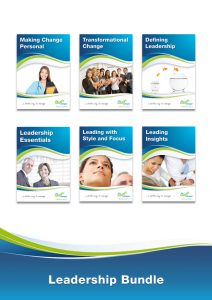 For more leadership resources look at our great-value guides. These include some excellent tools to help your personal development plan. The best-value approach is to buy our Leadership bundle, available from the store.
We’ve bundled together these five e-guides at half the normal price! Read the guides in this order, and use the tools in each, and you’ll be well on your way to achieving your personal development plan. (6 guides, 167 pages, 27 tools and 22 insights, for half price!)
- Leadership Essentials
- Defining Leadership
- Leading Insights
- Leading with Style and Focus
- Transformational Change
- Making Change Personal