Desk Booking Software with SSO and SCIM: Five Solutions Worth Considering in 2026
20 July 2026
Desk Booking Software with SSO and SCIM: Five Solutions Worth Considering in 2026
Why This Has Become a Management Decision, Not Just an IT One
Desk booking software has moved from a nice-to-have convenience to a core component of hybrid workplace management. Global office utilisation reached 54% in 2025, up from 41% in 2023, approaching pre-pandemic levels — but that recovery masks significant unevenness. Attendance clusters heavily midweek, with Tuesday occupancy running far above Friday. 62% of global organisations have now implemented shared or unassigned seating models as part of hybrid programmes. Without a system to manage that complexity, workplace managers are making decisions about space, layout, and policy without the data to support them.
For managers responsible for hybrid teams, the choice of desk booking platform matters for reasons beyond the IT checklist. The employee experience of booking a desk — how easy it is, how reliably it works, whether it integrates with the tools people already use — directly affects whether people feel the office is worth coming to. 73% of employees report higher productivity under hybrid models, with an average 19% performance gain, according to Ronspot’s 2026 Workplace Statistics and Benchmarks Report. The technology that supports the hybrid experience plays a meaningful role in whether those gains are realised or lost to friction.
For IT teams, the specific requirement covered here is SSO and SCIM integration — the security and provisioning features that determine how desk booking software fits into a managed enterprise environment. The five platforms below represent the strongest options currently available for organisations that need both a good employee experience and robust identity management.
Why SSO Matters for Desk Booking
Employees already log into Microsoft 365, Slack, Google Workspace, and dozens of other business applications every day. Asking them to remember another username and password for desk booking creates unnecessary friction and increases administrative work for IT.
Single Sign-On allows employees to access the platform using their existing corporate credentials. Many enterprise solutions also support SCIM provisioning, which automatically creates, updates, and removes user accounts as employees join, change teams, or leave the organisation.
When evaluating vendors, it’s worth looking beyond “SSO supported” on a feature list. Consider whether the platform supports Microsoft Entra ID and Okta, offers SAML or OpenID Connect (OIDC), includes SCIM provisioning, and provides clear deployment documentation. These details often determine how smooth implementation will be for both IT administrators and employees.
Five Best Desk Booking Software Platforms with SSO
1. Archie – Best desk booking software overall
Archie combines desk booking software with meeting room booking, workplace analytics, and interactive office maps in one platform.
Employees can reserve desks from floor plans, locate teammates before coming into the office, check in using QR codes, and book directly from Microsoft Teams or Outlook. From an IT perspective, Archie supports Microsoft Entra ID integration, and SSO and SCIM are available on higher-tier plans.
One feature that sets Archie apart is its pricing model. Instead of charging per employee, it charges per bookable desk. For hybrid organisations where several employees share the same workspace, this often provides more predictable costs.
Best for: Organisations looking for an all-in-one workplace platform with enterprise authentication, but without enterprise pricing.
2. OfficeRnD Workplace – Best for IT administrators
OfficeRnD Workplace places a strong emphasis on identity management and deployment. The platform supports Microsoft Entra ID, Okta, OpenID Connect, and SCIM provisioning, backed by extensive implementation documentation. Beyond desk booking, it also includes meeting room scheduling, visitor management, parking management, and workplace analytics.
While SSO is available as an add-on on some plans, larger organisations will appreciate the platform’s mature identity management capabilities.
Best for: Organisations that prioritise detailed documentation and enterprise identity management.
3. Skedda – Best for complex booking rules
Skedda focuses on helping organisations manage shared spaces through flexible booking policies. It supports Microsoft Entra ID, Okta, SAML authentication, and SCIM provisioning while allowing administrators to configure booking windows, approval workflows, recurring reservations, and permissions. Interactive floor plans make it easy for employees to find available desks before arriving at the office.
Pricing is based on the number of bookable spaces rather than users, but there are tiers and space limits worth factoring into the evaluation.
Best for: Companies with complex booking policies and shared workspace rules.
4. Robin – Best for large enterprises
Robin has evolved into a comprehensive workplace experience platform aimed primarily at enterprise organisations. Alongside desk booking, it offers meeting room scheduling, workplace analytics, office maps, wayfinding, and workplace automation. The platform supports Microsoft Entra ID, Okta, SAML, and SCIM provisioning, making it suitable for organisations with mature IT environments.
Pricing is quote-based, and many of the more advanced identity management capabilities are designed for larger enterprise deployments.
Best for: Large organisations with dedicated workplace and IT teams.
5. Envoy – Best for security-focused workplaces
Although many people know Envoy for visitor management, it also offers a capable desk booking solution. Its platform combines desk reservations, room booking, workplace maps, and compliance features with strong identity management support. Both Microsoft Entra ID and Okta are supported alongside SCIM provisioning, making it a good choice for organisations where security and visitor management are equally important.
The modular pricing structure means it may be more than smaller organisations need if desk booking is the only requirement.
Best for: Companies that want one platform for desks, visitors, and workplace security.
Choosing the Right Platform
The right choice depends on your priorities. If you’re a growing business, straightforward deployment, predictable pricing, and easy administration may be more important than highly specialised enterprise features. Larger organisations, meanwhile, often prioritise identity governance, automated provisioning, and advanced security controls.
It’s also worth thinking about the employee experience. Research from Leesman found that only 41% of employees felt productive in offices with unassigned seating but little choice of workspace. In contrast, 85% reported being productive in well-designed flexible workplaces that combined desk sharing with quiet rooms, collaboration spaces, and different work settings.
Technology plays an important role in creating that experience. Employees should be able to quickly find an available desk, reserve it using their existing company login, and know they’ll have a workspace waiting when they arrive.
Before making a decision, ask vendors:
- Does the platform support Microsoft Entra ID, Okta, or your existing identity provider?
- Is SCIM provisioning included or available as an add-on?
- Can user groups and permissions be synchronised automatically?
- Is implementation well documented?
- Does the pricing model still make sense as your workplace grows?
Answering these questions early can save significant time for both IT teams and workplace managers. The Knowledge Hub on managing projects and change covers the evaluation and implementation disciplines that apply directly to technology procurement decisions of this kind — particularly around scoping requirements, managing stakeholder expectations, and building in review points once a system is live.
The Bigger Picture for Managers
Desk booking software is ultimately a workplace culture tool as much as a logistics one. The data it generates — which days are busiest, which spaces are underused, how attendance patterns shift across teams — gives managers and facilities leaders the information to make better decisions about space, policy, and the employee experience. Only 58% of organisations currently use real-time occupancy data and booking systems to inform their hybrid policies, according to JLL’s 2025 Occupancy Planning Benchmark Report. The organisations ahead of that curve are making space decisions based on evidence rather than assumption — and adjusting faster when the evidence changes. Good decision making and managing performance practice treats workplace data with the same analytical rigour as any other operational metric.
Further Reading
- Deskbird: How to Choose Desk Booking Software in 2026 — A practical, vendor-neutral guide to evaluating desk booking platforms, covering the key features, pricing models, and integration requirements that matter most for hybrid organisations. Read the guide
- CIPD: Flexible and Hybrid Working Practices in 2023 — The CIPD’s research on how UK organisations are implementing hybrid working, including the management practices and workplace policies most strongly associated with positive outcomes. Read the report
Header Photo by Israel Andrade on Unsplash
Disclaimer
The content on this site is provided for general information and educational purposes only. Software features, pricing, and capabilities change frequently — readers should verify current product specifications directly with vendors before making procurement decisions. Inclusion of specific platforms in this article does not constitute an endorsement. The Happy Manager and Apex Leadership Ltd accept no liability for decisions made on the basis of anything published here.
References
- CBRE (2024). Americas Office Occupier Sentiment Survey. https://www.cbre.com/insights/reports/2024-americas-office-occupier-sentiment-survey
- Gensler (2024). Global Workplace Survey. https://www.gensler.com/gri/global-workplace-survey-2024
- Leesman (2024). The Desk Dilemma. https://www.leesmanindex.com/articles/the-desk-dilemma/
- Owl Labs (2024). State of Hybrid Work 2024. https://owllabs.com/state-of-hybrid-work/2024
- Webex (2024). Hybrid Work Global Research Report. https://blog.webex.com/innovation-ai/global-hybrid-work-study/
Leadership Resources
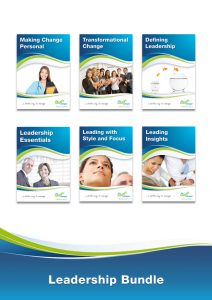 For more leadership resources look at our great-value guides. These include some excellent tools to help your personal development plan. The best-value approach is to buy our Leadership bundle, available from the store.
We’ve bundled together these five e-guides at half the normal price! Read the guides in this order, and use the tools in each, and you’ll be well on your way to achieving your personal development plan. (6 guides, 167 pages, 27 tools and 22 insights, for half price!)
- Leadership Essentials
- Defining Leadership
- Leading Insights
- Leading with Style and Focus
- Transformational Change
- Making Change Personal
Blog Content: Most blog pages on this site are from sponsored or guest contributors. Although we may receive payment for these, all posts are vetted to ensure they meet our editorial standards and offer value for our readers.
>> Return to the Leadership Knowledge Hub