Wrongful Death Settlements: What Managers and HR Teams Need to Understand About How Funds Are Distributed
17 September 2026
In 2025/26, 126 workers were killed in work-related accidents in Great Britain — provisionally the lowest annual total on record, according to HSE data published July 2026, though every one of those deaths represents an irreversible consequence for the families affected and a significant legal and organisational event for the employer involved. In the United States, transportation incidents alone accounted for 1,938 work-related deaths in 2024, with motor vehicle crashes generating the most costly lost-time workers’ compensation claims at an average of $100,000 per claim. This paid partnership article helps managers and HR teams understand how wrongful death settlements work when a workplace fatality leads to a legal claim — a process most organisations encounter without preparation and with significant consequences if handled poorly.
Note for Non-US Readers
The management principles in this article — understanding settlement deductions, who qualifies as a beneficiary, and the role of the personal representative — apply in any jurisdiction where workplace fatalities can lead to civil claims. The specific legal framework discussed draws primarily on US wrongful death law. UK readers will find the equivalent framework in the Fatal Accidents Act 1976 and the Law Reform (Miscellaneous Provisions) Act 1934, which together govern who can claim, what heads of loss are recoverable, and how the estate and dependants’ claims interact. The management obligation to understand the process does not differ.
Why Managers Need to Understand This
When a worker is killed in a workplace accident, the organisation’s involvement does not end with the incident report. A wrongful death claim may follow — and how the settlement is structured, who receives what, and what the personal representative’s role involves are all things that HR teams and managers may need to understand, both to fulfil their duty of care to the deceased’s family and to navigate their own legal position. Understanding how wrongful death settlements are paid helps managers and HR professionals support bereaved families through the process — and ensures the organisation’s own response is informed rather than reactive.
A wrongful death claim arises when someone dies because another party breached a duty of care owed to them. In a workplace context, this might follow a construction accident, vehicle incident, equipment failure, or exposure to a hazardous substance. The claim is brought on behalf of the deceased’s estate and qualifying dependants — not by the deceased themselves. That distinction shapes everything about how the process works and what managers need to be prepared for. Good managing performance and workplace wellbeing practice treats the legal and human obligations arising from a workplace fatality as a management responsibility from day one — not something handed entirely to insurers and legal counsel without organisational involvement.
The Settlement Amount Is Not the Final Payment
A settlement figure agreed between the parties is not what families ultimately receive. Before distribution, attorney fees, case expenses, outstanding medical bills, liens, and other valid claims are deducted from the gross settlement amount. In US personal injury matters, attorney fees typically run at 33–40% of the settlement on a contingency fee basis. Medical liens — where healthcare providers have a right to recover treatment costs from any settlement — can further reduce the net figure significantly.
The practical implication for managers and HR teams supporting bereaved families is straightforward: the headline settlement figure can be misleading without understanding what comes off the top. A $500,000 settlement may result in considerably less reaching the family after these deductions. Setting expectations honestly — without providing legal advice — is part of the duty of care the organisation owes to a family navigating this process alongside their grief. In the UK, the equivalent deductions include solicitor costs (though conditional fee agreements limit what comes from the settlement itself), any benefits recoupment through the Compensation Recovery Unit, and the splitting of the Law Reform and Fatal Accidents Act elements between the estate and the dependants.
Who Can Receive Part of a Wrongful Death Settlement
Eligibility to receive part of a wrongful death settlement depends on the applicable state law and the claimant’s relationship to the deceased. In most US states, a surviving spouse, children, parents, and sometimes other dependants may all have legal interests. The personal representative — typically the executor named in the deceased’s will or an administrator appointed by the court — manages the claim on behalf of the beneficiaries. This is a legal and administrative role, not a financial benefit: the personal representative acts for the estate rather than receiving funds for personal use.
In the UK, the Fatal Accidents Act 1976 sets out who qualifies as a dependant for the purpose of a fatal accident claim: spouse or civil partner, former spouse or civil partner, cohabitant of at least two years, parent or ascendant, child or descendant, sibling, aunt or uncle, or their issue. The list is broader than many people expect. Identifying all eligible parties early prevents disputes and delays that add to the family’s burden. An organisation that supports the family in understanding this process — rather than leaving them to navigate it alone — demonstrates the duty of care that the management of a fatal workplace incident requires.
How Distribution Is Determined
There is no universal formula for how a wrongful death settlement is divided among eligible beneficiaries. Distribution depends on applicable state law, the family’s specific circumstances, the settlement agreement, and in many cases court approval of the proposed allocation. A surviving spouse and children may have different legal interests that need to be balanced against each other. The presence of additional beneficiaries — parents, siblings — affects what each person receives. A personal representative who tries to distribute without legal advice risks both underpaying eligible beneficiaries and creating disputes that the settlement was meant to resolve.
In the UK, the two streams of claim — the estate’s claim under the Law Reform (Miscellaneous Provisions) Act 1934 for the deceased’s pre-death losses, and the dependants’ claim under the Fatal Accidents Act 1976 for their own financial losses — follow different rules and may produce different outcomes for different family members. The court approves distributions in cases where the beneficiaries include children. For managers, the implication is consistent: the organisation should facilitate families’ access to specialist legal advice rather than attempt to guide them through a distribution process that requires qualified legal expertise. Organisations that have caused or contributed to a workplace death also need their own legal advice from the earliest stage — the two processes are not in conflict, and navigating both simultaneously is possible with appropriate counsel on both sides.
The Management Response That Protects Everyone
The organisation’s response to a workplace fatality is judged on two dimensions: how it was prevented, and how it was handled after the fact. Transparent, prompt engagement with the family, facilitation of access to specialist legal advice, clear communication about workers’ compensation processes, and documentation of the organisation’s safety management both before and after the incident all contribute to how the eventual legal and human outcome is shaped.
Organisations that disengage from bereaved families — leaving them entirely to insurers and legal processes with no organisational contact — tend to produce worse outcomes on both dimensions. Families who feel abandoned are more likely to pursue the maximum available legal remedy; families who feel the organisation has acted with genuine care are more likely to engage constructively through the process. Neither outcome is certain, but the management approach that treats the family’s welfare as a genuine organisational responsibility — not a liability risk to be minimised — tends to produce better outcomes for everyone involved. Good leadership and managing change practice builds this response into the organisation’s incident management framework before it is needed rather than improvising it under the pressure of a live situation.
Final Thoughts
A workplace fatality is one of the most significant events an organisation can face. The wrongful death settlement process that may follow is complex, emotionally charged, and legally demanding — for the family, for the personal representative, and for the organisation involved. Managers and HR teams who understand how the process works, what the deductions are, who qualifies as a beneficiary, and what role the personal representative plays are better positioned to respond with the professionalism and humanity the situation demands. That understanding is not a legal competency — it is a management one, and it should be part of the knowledge base that any organisation operating in environments with meaningful safety risk maintains before it is ever needed.
Disclosure and Disclaimer
Our blog posts are paid partnerships, unless stated otherwise. See our disclosure policy for details. The content on this site is provided for general information and educational purposes only. It is not intended as professional legal, HR, or financial advice. Wrongful death law, workers’ compensation requirements, and employer obligations vary significantly by jurisdiction. UK readers should refer to current HSE guidance and seek qualified legal advice. US readers should note that rules vary by state. The Happy Manager and Apex Leadership Ltd accept no liability for actions taken in reliance on the content of this article.
Further Reading
- HSE: Work-Related Fatal Injuries in Great Britain 2025/26 — The Health and Safety Executive’s authoritative annual statistics on workplace fatalities in Great Britain, covering sector breakdowns, causes, demographic data, and the long-term trend — essential context for any manager responsible for safety in higher-risk environments. Read the statistics
- Cardinus: Workplace Fatalities 2026 — What Employers Can Learn from the Latest HSE Statistics — A practical employer-focused analysis of the 2025/26 HSE fatality data, covering the leading causes, the sectors most affected, and what the statistics mean for safety management practice and employer legal obligations. Read the article
- Compensation Calculator UK: Fatal Accident Claim Guide — A clear overview of the UK legal framework for fatal accident claims, covering the Fatal Accidents Act 1976, the Law Reform (Miscellaneous Provisions) Act 1934, who can claim, what heads of loss are recoverable, and how settlements are valued. Read the guide
References
- HSE (2026). Work-Related Fatal Injuries in Great Britain 2025/26 (Provisional). (126 worker deaths; provisionally lowest annual total on record; construction highest sector at 25.) https://www.hse.gov.uk/statistics/fatals-overview.htm
- Bureau of Labor Statistics (2025). National Census of Fatal Occupational Injuries 2024. (1,938 transportation-related deaths; 1,146 roadway incidents; $100,000 average motor vehicle lost-time claim.) Referenced in: Sokolove Law (2026). https://www.sokolovelaw.com/personal-injury/workplace/statistics/
- Compensation Calculator UK (2025). Wrongful Death Settlement Calculator — Fatal Accident Claim Guide. (Fatal Accidents Act 1976; Law Reform (Miscellaneous Provisions) Act 1934; Judicial College Guidelines for pre-death pain and suffering.) https://www.compensationcalculatoruk.co.uk/personal-injury-claims/wrongful-death-settlement-calculator/
- Accident Claims UK (2025). Death at Work Compensation Claims Guide. (Three-part test for wrongful death claim: duty of care, breach, causation; qualifying dependants under UK law.) https://www.accidentclaims.co.uk/death-fatal-accident-compensation/death-at-work-compensation/
Header Image by herbinisaac from Pixabay
Leadership Resources
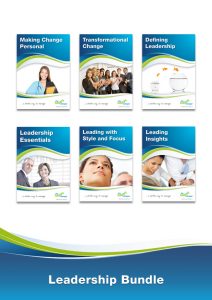 For more leadership resources look at our great-value guides. These include some excellent tools to help your personal development plan. The best-value approach is to buy our Leadership bundle, available from the store.
We’ve bundled together these five e-guides at half the normal price! Read the guides in this order, and use the tools in each, and you’ll be well on your way to achieving your personal development plan. (6 guides, 167 pages, 27 tools and 22 insights, for half price!)
- Leadership Essentials
- Defining Leadership
- Leading Insights
- Leading with Style and Focus
- Transformational Change
- Making Change Personal