How Managers Can Turn Search Authority Into a Strategic Business Asset
17 November 2026
A prospective client who is about to shortlist your company has probably already searched for you. They have read what others say about you and compared you with rivals. They have formed a view before your sales team hears a word. A March 2026 Gartner survey found that 67% of B2B buyers prefer a rep-free buying experience. For managers, that makes your online reputation a business matter, not a technical one. Search authority, meaning how well search engines and buyers trust what they find about your organisation, shapes which companies make the shortlist. This article explains why managers should care and how to manage it like any other valuable asset.
A Note on the Examples Used
The buyer research in this article is not tied to one country, and the outreach example is from Sydney, Australia. Search results, advertising rules and link practices vary by market. Treat the examples as illustrations of an approach, and check what applies where you operate.
Why Search Authority Is a Management Concern
Gartner surveyed 646 B2B buyers in August and September 2025. Two thirds said they prefer to buy without dealing with a sales representative. Buyers research independently and talk to suppliers later. In that world, what appears in search results acts as an unattended salesperson, available around the clock and judged on credibility.
Familiarity matters too. TrustRadius’s 2024 report, as cited by Search Engine Journal, found that 78% of buyers choose products they had heard of before they began researching. For enterprise buyers the figure was 86%. A company that is hard to find, or thinly described, is less likely to be on that list at all.
This is why the issue belongs in management meetings. Several departments shape what buyers see: marketing, sales, customer service and leadership. No single team controls the result. Our decision making knowledge hub offers structured ways to weigh investments that cut across teams like these.
Trust Shapes How Businesses Are Judged
Trust also affects how readily people believe what companies say about themselves. The 2025 Edelman Trust Barometer compared people with a high sense of grievance and a low one. Those with high grievance see business as 81 points less ethical and 37 points less competent. Edelman defines grievance as believing that government and business make life harder and serve narrow interests. The finding does not describe all buyers. It does show how far scepticism can colour judgements of competence, and why verifiable evidence matters.
For a manager, the lesson is practical. Claims on your own website carry less weight than independent confirmation. Customer reviews, mentions in trade media and references from partners all help buyers check what you say.
Earning Authority Through Third-Party Mentions
Search engines and AI-assisted tools look for signals that a company is credible, and those signals build search authority. Mentions and links from respected external sources are one such signal, which is why many organisations invest in outreach. A company targeting Australian buyers might work with specialists, such as providers of outreach link building services in Sydney. Their aim would be to earn mentions on relevant local sites.
Managers should treat this as a governance issue, not just a marketing task. Search engines distinguish between links earned through useful content and relationships and links bought to manipulate rankings. Google’s published spam policies address manipulative link practices, and penalties can undo the value of the investment. Before approving a budget, ask any outreach provider:
- How do you earn mentions, and can you show examples?
- Which publications or sites do you approach, and why are they relevant to our buyers?
- Do you buy or exchange links, and how are any paid placements labelled?
- How will you report on results beyond the number of links?
A good answer describes useful content, genuine relationships and clear labelling. A promise of fast results from large volumes of links deserves caution.
Preparing for AI-Assisted Buying
Buyers increasingly use AI tools to do part of their research. Forrester’s 2027 B2B predictions, released in October 2026, headline that AI agents will influence 75% of B2B purchase decisions. Forrester also predicts that two thirds of providers will lose deals because buyers cannot verify their claims. It advises companies to give AI tools credible, consistent proof points they can index and validate.
For managers, the practical message is consistency. If your website, reviews, press coverage and case studies tell different stories, both people and software will struggle to trust any of them. Forrester also expects buyers to double their human checks, such as speaking to references and analysts, to validate AI recommendations. Real customers and clear evidence matter more than ever.
Practical Steps for Managers
Managing search authority as an asset means giving it an owner, a budget line and regular review. These four steps help:
- Align marketing and sales. Share what customers ask and what buyers say during research, so content answers real questions.
- Invest in earned credibility. Encourage genuine customer reviews, case studies and industry mentions. Set rules on how any outside agency obtains them.
- Audit your footprint. Review how the company appears across search results, review sites and directories at least twice a year. Fix inconsistencies and out-of-date details.
- Plan for AI-assisted research. Keep key facts about your company accurate and consistent wherever they appear, so AI tools find the same answers that your team would give.
Satisfied customers are the strongest source of search authority. Our happy customers knowledge hub is a useful reminder of why the customer experience matters.
Final Thoughts
Search authority is not a trick or a one-off project, and it cannot be bought in a week. It is the accumulated evidence that your organisation is competent and trustworthy, visible wherever buyers look. Managers who treat it as a shared business asset, with an owner, a review cycle and clear rules for outside providers, protect their reputation and their pipeline. Start with an audit of what a buyer sees when they search for your company. Then decide which gaps in your search authority matter most.
Disclosure and Disclaimer
This is a partnered post. See our disclosure policy for details. The content on this site is provided for general information and educational purposes only. It is not intended as professional marketing, legal or business advice. Search engine guidelines, advertising rules and consumer-protection requirements vary by country and change over time. UK readers should check Advertising Standards Authority and Competition and Markets Authority guidance on paid content and reviews. US readers should note that Federal Trade Commission rules on endorsements and reviews apply. Readers in Australia should check Australian Consumer Law requirements on advertising and reviews. Readers should seek qualified professional advice for their specific situation. The Happy Manager and Apex Leadership Ltd accept no liability for actions taken in reliance on the content of this article.
Further Reading
- Gartner Sales Survey Finds 67% of B2B Buyers Prefer a Rep-Free Experience — Gartner: The research behind the shift to independent, self-directed buying. Read the release
- Forrester’s 2027 B2B Go-To-Market Predictions — Forrester: How AI agents are expected to change business buying, and why verifiable claims matter. Read the release
- Spam Policies for Google Web Search — Google Search Central: Google’s own rules on manipulative practices, including how it treats links. Read the policies
References
- Gartner (2026), Gartner Sales Survey Finds 67% of B2B Buyers Prefer a Rep-Free Experience (survey of 646 B2B buyers, August to September 2025; release dated 9 March 2026). https://www.gartner.com/en/newsroom/press-releases/2026-03-09-gartner-sales-survey-finds-67-percent-of-b2b-buyers-prefer-a-rep-free-experience
- Search Engine Journal (2026), Addressing the B2B Trust Deficit: How to Win Buyers in 2026 (citing TrustRadius, 2024 B2B Buying Disconnect: 78% of buyers choose products they had heard of; 86% for enterprise buyers; secondary source). https://www.searchenginejournal.com/addressing-the-b2b-trust-deficit-how-to-win-buyers-in-2026/
- Edelman (2025), 2025 Edelman Trust Barometer (people with a high sense of grievance see business as 81 points less ethical and 37 points less competent than those with a low sense of grievance). https://www.edelman.com/trust/2025/trust-barometer
- Forrester (2026), Forrester’s 2027 B2B Go-To-Market Predictions: AI Agents Will Influence 75% of B2B Purchase Decisions (release dated 21 October 2026). https://www.forrester.com/press-newsroom/forresters-2027-b2b-go-to-market-predictions-ai-agents-will-influence-75-of-b2b-purchase-decisions/
Image by Mohamed_hassan from Pixabay
Leadership Resources
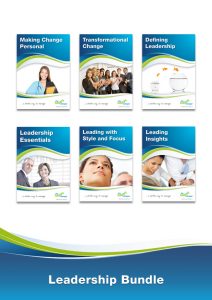 For more leadership resources look at our great-value guides. These include some excellent tools to help your personal development plan. The best-value approach is to buy our Leadership bundle, available from the store.
We’ve bundled together these five e-guides at half the normal price! Read the guides in this order, and use the tools in each, and you’ll be well on your way to achieving your personal development plan. (6 guides, 167 pages, 27 tools and 22 insights, for half price!)
- Leadership Essentials
- Defining Leadership
- Leading Insights
- Leading with Style and Focus
- Transformational Change
- Making Change Personal