Building Financial Resilience Through Micro-Investing and Tangible Assets
17 November 2026
A colleague who is worried about money rarely says so. You see it instead. There is the distracted look in a meeting, or the quiet decision to turn down overtime or a training course. Financial stress has become a workplace issue, and managers are often the first to see its effects. The 2026 Gallagher Workplace Wellbeing Index found that 63% of employees across Australia and New Zealand are financially unwell. Managers cannot fix their team’s finances, and should not try. They can help early-career staff build financial resilience, though. Education, signposting and a culture where money is an acceptable topic all help. This article looks at how.
A Note on the Examples Used
The workplace data, the investor statistics and the regulator’s research in this article come from Australia and New Zealand. The metal-market figures are global. Savings products, regulation and tax rules differ by country, so treat the examples as illustrations and check what applies where you manage.
Why Money Worries Are a Management Issue
The main Gallagher survey covered more than 3,500 workers across both countries. Its Financial Edition, covering 3,598 employees, found that more than a quarter are regularly distracted at work by money worries. Distraction costs attention and patience, and it often shows up as absence, errors or disengagement before anyone mentions the cause.
Managers are well placed to respond because they see changes in behaviour first. Building financial resilience in a team does not mean giving financial advice, and it works best when it is part of everyday wellbeing support. It means making support easy to find, treating money stress like any other wellbeing concern and avoiding assumptions about who is struggling. Our workplace well-being knowledge hub covers practical ways to create that kind of environment.
What Younger Staff Are Doing With Their Money
More Australians than ever invest beyond their home and superannuation. The 2026 ASX Australian Investor Study surveyed 4,495 adults online. It estimates that 11.5 million Australian adults now hold investments outside super and their primary home. About 2.5 million have joined since the start of the decade. Investors aged 18 to 29 make up 21% of the total. The share of that group seeking advice rose from 28% in 2023 to 46%.
Micro-investing apps are one entry point. Australia’s money guidance service, Moneysmart, explains that they let people invest small amounts regularly, and some invest spare change from everyday spending. It also warns that fees can take a bigger bite out of returns on small balances. Micro-investing carries the same market and timing risks as other investing, and moving money between providers can be restricted or costly.
Social media is a second influence. An official media release from the Australian Securities and Investments Commission reported on Moneysmart research into Australians aged 18 to 28. It found that almost one in four Gen Z Australians (23%) own cryptocurrency. Of those owners, 66% take a short-term or speculative approach to at least some of their investment. Younger staff are making financial decisions from sources of uneven quality.
Where Physical Assets Fit
Some people look beyond apps and shares to physical assets such as precious metals. One way to learn how commodity prices move is a small purchase, such as a silver bar 5 gram, without committing a large sum. Interest in physical silver is real. The Silver Institute reports that the United States, India, Germany and Australia account for almost 80% of the worldwide market for silver bars and coins.
Balance matters here. The same Silver Institute report describes physical investment as the most volatile part of silver demand. A US bulletin from the CFTC and FINRA warns that precious metals prices can fluctuate like other investments. It also notes that dealers sell above the spot price and buy back below it. The metal has to rise enough to cover that gap before a buyer makes a profit. A physical asset can teach useful lessons, but it is not a guaranteed protection against inflation.
That is why managers should not recommend products. The useful role is to help people ask good questions. What are the fees? What happens if the provider fails? How easily can the asset be sold?
Practical Ways Managers Can Support Financial Resilience
Employers can encourage better habits without crossing into advice. These four steps to support financial resilience work in most organisations:
- Signpost trusted sources. Point staff to regulator-backed information, such as Moneysmart in Australia or MoneyHelper in the UK. Make the links easy to find. This helps counter the uneven advice they see on social media.
- Offer education, not recommendations. Run short sessions on budgeting, debt, inflation and how fees work. Explain the difference between speculative assets and regulated products, and leave product choices to the individual.
- Make small savings habits visible. Explain how automatic transfers or round-up tools work, including the fees. People can then decide whether they suit them.
- Treat money stress as a wellbeing issue. Make it clear that staff can raise a concern without judgement, and know where to refer them. Check your country’s rules before recommending any financial product. For more on spotting when pressure is affecting performance, see our motivation knowledge hub.
You can also look at the wider picture in our dedicated finance section, which covers how businesses manage financial information and systems.
Final Thoughts
Financial resilience is built from ordinary habits. These include regular saving, an understanding of fees and risk and a healthy scepticism about advice from strangers online. Managers cannot supply those habits, but they can make them easier to develop. Start with one step toward financial resilience, such as sharing a regulator-backed guide or adding financial wellbeing to your next team conversation. A workforce that feels more in control of its money is usually calmer, more focused and more likely to stay.
Disclosure and Disclaimer
This is a partnered post. See our disclosure policy for details. The content on this site is provided for general information and educational purposes only. It is not financial, investment, tax or legal advice, and nothing here is a recommendation to buy or sell any product, including precious metals, cryptocurrency or shares. All investments carry risk, including loss of capital, and past performance does not predict future results. Financial products, regulation and tax rules vary between countries and change over time. UK readers should use impartial guidance such as MoneyHelper and check that any firm is authorised by the Financial Conduct Authority. US readers should note that investment rules vary by state and should consult a registered adviser. Readers in Australia should check whether a provider holds an Australian financial services licence. Readers should seek qualified professional advice for their specific situation. The Happy Manager and Apex Leadership Ltd accept no liability for actions taken in reliance on the content of this article.
Further Reading
- Micro-investing — Moneysmart (Australia): The Australian regulator’s guide to how micro-investing apps work, what they cost and what to check before using one. Read the guide
- Financial Wellbeing in the Workplace — Money and Pensions Service (UK): Free guidance, evidence and employer support for helping staff feel more secure and in control of their money. Read the guidance
- 10 Things to Ask Before Buying Physical Gold, Silver or Other Metals — CFTC and FINRA (US): A plain-English investor bulletin on prices, dealer markups, fees and resale. Read the bulletin
References
- Gallagher (2026), Workforce Trends Report: Workplace Wellbeing Index (63% of Australian and New Zealand employees financially unwell; more than 3,500 respondents), as reported by Insurance Business (22 August 2026). https://www.insurancebusinessmag.com/au/news/workers-compensation/two-in-three-aunz-workers-are-financially-unwell–and-employers-are-absorbing-the-cost-587034.aspx
- HCA Magazine (2026), Financial stress is costing Australian employers more than they think (Gallagher Workplace Wellbeing Index: Financial Edition, 3,598 employees; more than a quarter regularly distracted by money worries). https://www.hcamag.com/au/specialisation/financial-wellness/financial-stress-is-costing-australian-employers-more-than-they-think/590584
- ASX (2026), Record 11.5 million Australians now invest beyond super (ASX Australian Investor Study 2026; survey of 4,495 adults by Investment Trends, January and February 2026). https://www.asx.com.au/content/dam/asx/about/media-releases/2026/15-oct-media-release-record-11.5-million-australians-now-invest-beyond-super.pdf
- Moneysmart (n.d.), Micro-investing (small regular investments; fees and risks). https://moneysmart.gov.au/how-to-invest/micro-investing
- Australian Securities and Investments Commission (2026), ASIC urges Gen Z to sense-check money advice as social media fuels riskier financial decisions, 26-049MR (23% of Gen Z own cryptocurrency; 66% of owners take a short-term or speculative approach, as reported by Echo). https://asic.gov.au/about-asic/news-centre/find-a-media-release/2026-releases/26-049mr-asic-urges-gen-z-to-sense-check-money-advice-as-social-media-fuels-riskier-financial-decisions/
- The Silver Institute (2025), The United States, India, Germany, and Australia Account for Almost 80% of the Worldwide Market for Bars and Coins (physical investment the most volatile part of silver demand). https://silverinstitute.org/?p=19162
- CFTC and FINRA (2024), Investor Bulletin: 10 Things to Ask Before Buying Physical Gold, Silver or Other Metals (price volatility; dealer spreads; fees; resale). https://www.finra.org/investors/insights/buying-physical-gold-or-other-metals
Leadership Resources
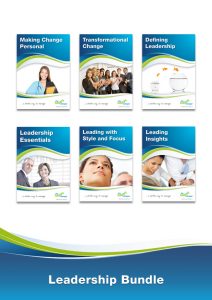 For more leadership resources look at our great-value guides. These include some excellent tools to help your personal development plan. The best-value approach is to buy our Leadership bundle, available from the store.
We’ve bundled together these five e-guides at half the normal price! Read the guides in this order, and use the tools in each, and you’ll be well on your way to achieving your personal development plan. (6 guides, 167 pages, 27 tools and 22 insights, for half price!)
- Leadership Essentials
- Defining Leadership
- Leading Insights
- Leading with Style and Focus
- Transformational Change
- Making Change Personal