Beyond Salary: What Really Keeps Good Employees
29 October 2026
Ask someone why they left their last job and the answer is rarely a single reason. Money comes into it. So does the promotion that was “definitely next round” three rounds running. So does the manager who cancelled every second catch-up, and the long commute that felt longer once there were children to collect. The reasons people stay are just as mixed, and they are similar almost everywhere. To keep good employees, managers do not need a restructure or a consultant. They need regular attention, a recurring calendar invitation and the odd conversation they would rather put off.
A Note on the Examples Used
The examples in this article draw on the UK, Australia and the US, and one benefits example is specifically Australian. Employment law, tax rules and benefits differ from country to country, and some of them are changing. Treat the details as illustrations, and check the rules that apply where you operate.
Why Managers Hold More Cards Than They Think
Gallup’s 2024 research on people who had left an employer voluntarily found that 42% said their manager or organisation could have kept them. A further 45% said no manager or leader had talked with them about their satisfaction, performance or future in the three months before they left. Asked what would have changed their minds, pay or benefits came first at 30%, but better personal interactions with their manager came second at 21%. Pay matters, then, but the conversations around it matter too. Both figures were higher in Gallup’s 2019 study, so the gap may be narrowing. It is still wide, and managers who want to keep good employees can close it.
Don’t Wait for the Exit Interview
By the time someone sits in an exit interview, they have usually signed somewhere else. A stay interview is one of the simplest ways to keep good employees, because it turns the timing around. Once a quarter, book twenty minutes with each person, separate from any project update. Three questions do the job. What keeps you here right now? What is driving you mad? What would make you think about leaving?
Act on One Thing Before the Next Round
Write down what you hear, then fix one thing before the next conversation, however small. It might be a clunky process or a meeting nobody needs. People notice quickly whether you are listening. If the same complaint comes from several people, look beyond individuals and ask whether something in the wider team needs to change.
Flexibility, With a Reason Attached
Flexible working now shapes where many people choose to work, although what is realistic varies by role. A warehouse shift cannot be done from a kitchen table, but a quarterly report can. Where there is room to give, use it. That might mean a 7.30 start for the school run. It might be a Wednesday at home that survives the first awkward meeting, or a compressed fortnight if the team can carry it. Revisit arrangements every six months, because what suited someone in January may not suit them in September.
Know Your Legal Position
In many countries, employees have a statutory right to ask. In Australia, the Fair Work Ombudsman says employers must respond in writing within 21 days and may refuse only on reasonable business grounds. In the UK, Acas says employers must accept a statutory request unless there is a genuine business reason not to. They must also consult the employee first and decide within two months. The UK rules are changing, so check the current position.
Be Consistent and Explain Yourself
Where managers trip up is consistency. Say yes to one person and quietly refuse another with no explanation, and you will probably cause more bad feeling than if you had done nothing. Have a reason, and say it.
Make Growth Something People Can See
People tend to stay longer when they can see where the job might lead, and visible growth helps you keep good employees. Training budgets help, but they are not the only lever. Hand someone a small project to run, bring them into a client meeting they would normally miss, or lend them to another team for a week. Our personal development knowledge hub offers practical tools for planning that kind of development.
Ask what growth means to each person, because it is not the same for everyone. Some want the next title. Others are happy to stay put and become excellent at what they already do, and they need something different from you. Capture it somewhere visible: half a page, reviewed each quarter, beats a glossy plan from March that nobody has opened since.
Thank People for the Actual Work
“Great work, team!” on a Friday afternoon is pleasant and forgotten by Monday. The thanks people remember names the thing. You held on to that client when they were halfway out the door. Your rewrite of the onboarding checklist saved the new starters a week of confusion. Say it while it is fresh, not at the quarterly review. Some people enjoy a public shout-out and others would rather disappear, so find out which before you announce anything.
Make Benefits Easy to Understand
Many workplaces offer perks that staff barely use, usually because nobody has explained them. A benefit buried on page fourteen of an onboarding pack keeps nobody. Salary packaging is a good example, because the arrangements differ between countries and the rules can be complicated enough to put people off.
An Australian Example: Novated Leasing
In Australia, employees whose employers offer salary packaging may be able to arrange a vehicle through a novated car lease. This is an arrangement between the employee, the employer and a finance provider. It can allow lease payments and certain running costs to be paid through salary packaging. Whether it suits an employee depends on their circumstances, the vehicle, the lease terms and the applicable tax rules. Some eligible electric vehicles may qualify for fringe benefits tax concessions. Plug-in hybrids stopped qualifying from 1 April 2025, and the rules continue to change, so check current Australian Taxation Office guidance. If an employee changes jobs, continuing the lease may depend on the agreement and on whether the new employer can accommodate it.
Managers do not need to explain the technical detail themselves. They need to know what benefits exist, who administers them and where employees can find reliable information. Mention benefits at onboarding and again when circumstances change. A short reminder in a team meeting is often enough.
Watch the Workload
Sustained, excessive workloads push people to start looking around, and the first to go are not always the ones you would guess. A flat-out month before a deadline is normal, but being permanently behind is not. Safe Work Australia lists high job demands among the psychosocial hazards that employers must manage. That is a useful reminder that workload is a safety and wellbeing issue as well as a retention one.
Put workload on the agenda of every one-to-one: what is on your plate, what is slipping and what would you drop? Every few months, step back and look for patterns. Do the same two or three people soak up the extra work whenever someone resigns or a deadline moves? Those are probably the people you can least afford to lose. Our workplace well-being knowledge hub offers further guidance on spotting the early signs.
Decide What Actually Gets Pushed Back
Asking what someone would drop is only half the job. When everything is labelled urgent, the manager has to decide what really gets delayed, and then say so clearly.
The Small Habits That Aren’t in Any Policy
Much of this comes down to small, unglamorous habits that keep good employees engaged. Turn up to one-to-ones instead of rescheduling them. Do the minor thing you promised. Own up when a process is not working, especially when it was your idea. Pay matters, and nothing here replaces paying people fairly. But when a recruiter’s message lands in someone’s inbox, whether they reply was probably decided months earlier, across a few hundred ordinary interactions with their manager.
Final Thoughts
To keep good employees, start by finding out why they stay, using stay interviews each quarter. Offer flexibility you can explain and apply consistently, make growth visible, and thank people for specific work. Explain benefits properly, watch workloads and keep the small promises. None of this is expensive, but all of it takes steady attention. Managers who build these habits give good people fewer reasons to listen when the recruiter calls.
Disclosure and Disclaimer
This is a partnered post. See our disclosure policy for details. The content on this site is provided for general information and educational purposes only. It is not intended as professional financial, tax, legal or employment advice. Employment law, tax rules and employee benefits vary by jurisdiction and change over time. Whether a novated lease or any other benefit suits an individual depends on their circumstances, and eligibility and tax treatment should be confirmed with a qualified adviser or the relevant tax authority. UK readers should refer to current guidance from Acas before responding to flexible working requests. US readers should note that federal and state employment laws differ and should consult a qualified adviser. Readers should seek qualified professional advice for their specific situation. The Happy Manager and Apex Leadership Ltd accept no liability for actions taken in reliance on the content of this article.
Further Reading
- 5 Ways Managers Can Stop Employee Turnover — Gallup (US): Gallup’s analysis of what managers can do to reduce avoidable resignations, with a focus on regular, meaningful conversations. Read the article
- Flexible Working Policy Template — Acas (UK): An example policy showing how to set out requests, timeframes and decisions in a consistent way. Read the template
- Flexible Work and Permanent Employment Requests — Fair Work Ombudsman, Small Business (Australia): What small employers must do when an employee asks for flexible working arrangements. Read the guidance
- Mental Health: Psychosocial Hazards at Work — Safe Work Australia: The hazards employers must manage, including job demands, support and workplace relationships. Read the guidance
References
- Second Talent (2026), Employee Retention Statistics 2026: Quit Rates, Tenure and the Cost of Turnover, summarising Gallup’s July 2024 survey of 717 US adults who left an employer voluntarily (42% said their manager or employer could have kept them; 45% had no conversation about their job in the previous three months; pay or benefits named first at 30%, better manager interactions at 21%; the 2019 figures were 52% and 51%). https://www.secondtalent.com/resources/employee-retention-statistics/
- Fair Work Ombudsman (n.d.), Flexible working arrangements best practice guide (employers must respond in writing within 21 days; refusal only on reasonable business grounds). https://www.fairwork.gov.au/tools-and-resources/best-practice-guides/flexible-working-arrangements
- Acas (n.d.), The right to request: Statutory flexible working requests (accept unless a genuine business reason; consult the employee; decide within two months). https://www.acas.org.uk/statutory-flexible-working-requests/the-right-to-request
- Australian Taxation Office (n.d.), FBT on plug-in hybrid electric vehicles (from 1 April 2025, plug-in hybrids are not eligible for the electric car exemption, subject to transitional rules). https://www.ato.gov.au/…/fbt-on-plug-in-hybrid-electric-vehicles
Image by Mohamed Hassan from Pixabay
Leadership Resources
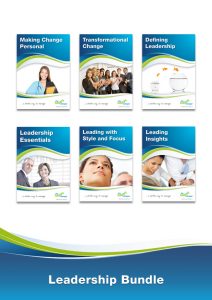 For more leadership resources look at our great-value guides. These include some excellent tools to help your personal development plan. The best-value approach is to buy our Leadership bundle, available from the store.
We’ve bundled together these five e-guides at half the normal price! Read the guides in this order, and use the tools in each, and you’ll be well on your way to achieving your personal development plan. (6 guides, 167 pages, 27 tools and 22 insights, for half price!)
- Leadership Essentials
- Defining Leadership
- Leading Insights
- Leading with Style and Focus
- Transformational Change
- Making Change Personal