Essential Management Strategies for Scaling Web Presence and Search Visibility
6 November 2026
Building a modern web presence takes far more than a good website. Overhauling it, or running a full digital strategy, demands organisational alignment and careful project oversight. The gap between talk and results is wide. An analysis reported by the Australian Institute of Company Directors found that about 80% of Australian annual reports now mention artificial intelligence. Only about one in five could point to a realised result with a hard number attached. For business leaders, that gap carries a clear lesson. Digital change has to be managed as a shift in how the business operates, not as an IT upgrade. That includes the drive to improve search visibility.
Why Search Visibility Is a Management Issue
Search visibility looks like a marketing task, but it depends on decisions that only managers can make. Someone has to fund it and agree what success means. Someone has to decide who owns the website and its content, and settle how marketing, IT and sales share information. Without that ownership, the work drifts. Agencies produce reports and internal teams assume someone else is handling the details. Nobody can say whether a technology investment is supporting the wider goals of the business.
Agree what the business wants from search visibility in the next twelve months, who is accountable for each part, and which measures will show progress. Clear goals keep teams focused on business outcomes instead of new technology trends. Our goal setting knowledge hub offers practical frameworks for turning those aims into measurable targets.
A Note on the Examples Used
Several examples in this article come from Australia, including its annual reports, regional search campaigns and technology investment. The management principles apply anywhere. Treat the details as illustrations, and check local data and rules for the market you are working in.
Aligning Internal Teams for Digital Change
Before engaging an external agency or buying new technology, make sure your own people are ready. McKinsey’s 2018 global survey found that only 16% of respondents said their digital transformations had both improved performance and sustained the gains. Its wider research puts overall transformation success at under 30%. When initiatives are purely digital, the odds look even worse.
McKinsey’s research on organisational transformations points to a practical fix. Among transformations that failed to engage either line managers or frontline employees, only 3% of respondents reported success. For a search project, that means involving the people who write product pages, answer customer questions and update the site. When internal expectations are clear, working with an external agency becomes smoother. The team can judge progress objectively and change course without losing sight of the mission.
Vetting Partners for Local and Regional Impact
When a business is expanding into a specific region, an agency with local expertise is a sound strategic choice. A company that wants to reach customers in New South Wales might commission targeted campaigns from a specialist in SEO Sydney work to capture high-intent regional traffic. That approach helps avoid wasted advertising spend. It also ties the campaign to wider growth goals and gives the business a base for national expansion.
Judge potential partners on how well they understand market nuances and regional customer behaviour, especially in competitive business hubs. Google’s own guidance on hiring an SEO suggests asking how success will be measured. It also suggests asking whether the provider will explain every change they make to your site, along with the reasoning behind it. Specialist partners need managing like any other outsourced function. For the wider case, see this article on smart delegation.
The Evolving Role of AI in Search Visibility
Artificial intelligence is changing how people find information, and the money behind it is substantial. Amazon has announced plans to invest A$20 billion in Australian data centres between 2025 and 2029. Microsoft has committed A$25 billion through 2029 to expand AI and cloud infrastructure, building on an earlier A$5 billion pledge. That scale of investment suggests AI-driven search is here to stay.
According to recent Forrester data, 95% of B2B buyers plan to use generative AI in at least one area of a future purchase. Over half say it led them to consider more or different vendors while saving them time. Later commentary on Forrester’s 2025 survey reports that 94% of buyers had already used it. To stay visible, move from keyword repetition to authoritative, intent-driven content that answers complex questions clearly.
Key Steps for Managing Digital Projects
A successful digital rollout needs structure. The World Economic Forum’s Future of Jobs Report 2025 found that skills gaps are the biggest barrier to business transformation, cited by 63% of employers. Four practices help managers deal with that and other hurdles.
Establish Clear Governance
New technology needs clear rules before it spreads through a business. Deloitte’s Australian findings suggest governance is still immature: only 22% of Australian companies have advanced governance models for AI agents. Agree who approves new tools, what data staff may put into them, and who reviews the output before it reaches a customer. Write those rules down, keep them short, and review them every six months, because tools and risks change quickly.
Bridge the Skills Gap
Adoption is wide, but depth is thin. CPA Australia’s 2026 Business Technology Report found that 88% of Australian businesses use AI, yet only 10% have embedded it extensively. Closing that gap takes planned training, not a one-off workshop. Ask staff which tasks they find hardest, match the training to those tasks, and give people time in the working week to practise. Pair less experienced colleagues with those who already use the tools well.
Demand Financial Accountability
Reports full of rankings and traffic can hide whether a project is paying its way. Tie each digital initiative to a financial outcome, such as revenue from organic enquiries, the cost of acquiring a customer or hours saved. Agree the target before work starts, review it every quarter, and be ready to stop or change an activity that is not delivering. Ask partners to explain results in plain language, not only to supply a report.
Promote Cross-Functional Collaboration
Search work touches marketing, IT, sales and leadership, and it breaks down when each group works alone. Hold a short monthly meeting where marketing shares what searchers are asking, IT flags technical constraints and sales reports what customers say. Keep one shared set of figures so nobody argues over whose numbers are right, and name an executive sponsor who can remove blockers.
Final Thoughts
Strong search visibility comes from management decisions more than technical tricks. Name an owner and agree measures before you spend. Prepare your own people first, engage the staff who do the work, and vet external partners on local knowledge and clear reporting. Watch how buyers use AI, set governance early and tie every initiative to a financial outcome. Leaders who do this can guide their organisations through digital change and achieve measurable growth in a competitive market.
Disclosure and Disclaimer
This is a partnered post. See our disclosure policy for details. The content on this site is provided for general information and educational purposes only. It is not intended as professional marketing, technology or business advice. Search engine guidelines, technology markets and advertising rules vary by country and change over time, and the statistics quoted come from third-party studies of varying age and scope. UK readers should check current guidance from the Advertising Standards Authority before running campaigns. US readers should note that advertising and consumer-protection rules vary by state and under federal law. Readers should seek qualified professional advice for their specific situation. The Happy Manager and Apex Leadership Ltd accept no liability for actions taken in reliance on the content of this article.
Further Reading
- SEO Starter Guide — Google Search Central: Google’s introduction to how search engines crawl, index and understand content, useful when judging a provider’s recommendations. Read the guide
- Using Professional Marketing Services — Business Queensland (Australia): Government guidance on deciding whether to bring in outside marketing help and what to ask suppliers. Read the guidance
- Do Market Research — business.gov.au (Australia): Practical steps for researching customers, competitors and markets before you decide where to focus your marketing. Read the guide
- Australian Businesses at Risk of Falling Behind in AI Race — The Accountant (CPA Australia findings): A summary of CPA Australia’s 2026 Business Technology Report on AI adoption across five markets. Read the article
References
- Australian Institute of Company Directors (2026), AI in Australia: how are we tracking? (AI mentioned in about 80% of Australian annual reports; about one in five cite a realised result with a hard number). https://www.aicd.com.au/innovative-technology/digital-business/artificial-intelligence/ai-australia-how-are-we-tracking.html
- McKinsey & Company (2018), Unlocking success in digital transformations (16% of respondents report digital transformations that improved and sustained performance; fewer than 30% of transformations succeed overall). https://www.mckinsey.com/capabilities/strategy-and-corporate-finance/our-insights/unlocking-success-in-digital-transformations
- McKinsey & Company (n.d.), The science behind successful organizational transformations (only 3% of respondents report success where neither line managers nor frontline employees are engaged). https://www.mckinsey.com/capabilities/people-and-organizational-performance/our-insights/successful-transformations
- Forrester (n.d.), From Keywords To Context: Impact And Opportunity For AI-Powered Search In B2B Marketing (95% of B2B buyers plan to use generative AI in at least one area of a future purchase). https://www.forrester.com/blogs/from-keywords-to-context-impact-and-opportunity-for-ai-powered-search-in-b2b-marketing
- World Economic Forum (2025), Future of Jobs Report 2025: Workforce Strategies (skill gaps cited by 63% of employers as the primary barrier to business transformation). https://www.weforum.org/publications/the-future-of-jobs-report-2025/4-workforce-strategies
- Amazon (2025), Amazon investing AU$20 billion to expand data center infrastructure in Australia (AU$20 billion from 2025 to 2029). https://www.aboutamazon.com/news/aws/amazon-data-center-investment-in-australia
- Australian Associated Press (2026), US tech giant claims $25b stake in Australian AI future (Microsoft pledges A$25 billion; earlier A$5 billion in 2023). https://aapnews.aap.com.au/news/us-tech-giant-claims-25b-stake-in-australian-ai-future
- Deloitte Australia (2026), State of AI in the Enterprise (22% of Australian companies have advanced agent governance models). https://www.deloitte.com/au/en/issues/generative-ai/state-of-ai-in-enterprise.html
- CPA Australia (2026), Business Technology Report 2026, as reported by The Accountant (88% of Australian businesses use AI; 10% have embedded it extensively). https://www.theaccountant-online.com/news/australian-businesses-at-risk-of-falling-behind-in-ai-race-cpa-australia-finds/
- Google Search Central (2026), Do you need an SEO? Tips for hiring an SEO (ask how success is measured; ask providers to explain every change and the reasoning behind it). https://developers.google.com/search/docs/fundamentals/do-i-need-seo
Header image by Mohammad Sakib Mia from Pixabay
Leadership Resources
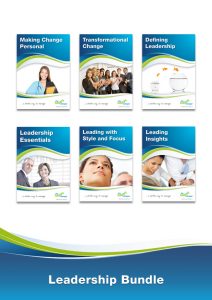 For more leadership resources look at our great-value guides. These include some excellent tools to help your personal development plan. The best-value approach is to buy our Leadership bundle, available from the store.
We’ve bundled together these five e-guides at half the normal price! Read the guides in this order, and use the tools in each, and you’ll be well on your way to achieving your personal development plan. (6 guides, 167 pages, 27 tools and 22 insights, for half price!)
- Leadership Essentials
- Defining Leadership
- Leading Insights
- Leading with Style and Focus
- Transformational Change
- Making Change Personal