How Managers Can Market Complex Industrial Equipment to B2B Buyers
28 October 2026
Selling heavy machinery and technical components is very different from fast-moving consumer retail. Convincing a plant engineer or a procurement manager takes more than a catchy slogan or a flashy social media campaign. Industrial equipment marketing has to guide technical buyers through a long, complex decision, and capital equipment demands a large financial commitment. Every specification is likely to be scrutinised by several stakeholders before anyone signs a purchase order. For managers, that makes it a leadership challenge as much as a marketing one.
Why Industrial Equipment Marketing Is a Management Issue
No single department owns the buying decision, so no single department can win it. Engineers know what the product does, sales teams know what buyers ask, and marketing knows how to present it. If those groups work separately, buyers meet gaps and contradictions. Managers are the ones who close those gaps, by deciding who owns each piece of content, who checks it for technical accuracy and how results are measured.
Questions to Settle Early
Agree who signs off technical claims before they are published. Decide how engineering will share drawings, test data and performance charts with marketing. Set the measures that matter, such as pipeline and revenue influenced, not just clicks. Our teamwork tips offer practical ways to build the cross-department habits this needs.
The Cost of Misalignment
When engineering, sales and marketing tell different stories, buyers notice. A brochure that promises one thing and a data sheet that says another can stall a deal for weeks while the buying team asks for clarification. In industrial equipment marketing, accuracy is a competitive advantage, and managers who keep the message consistent across every channel protect it.
The Rise of the Self-Directed Technical Buyer
Relying on a charismatic sales representative to close a machinery deal is a fading approach. Technical buyers want to research independently before they pick up the phone. They need to verify performance, safety standards and integration requirements on their own terms. That puts a heavy load on digital channels, which must deliver precise engineering data upfront.
What the Research Says
The 2026 B2B Buyer Behavior Report from Consensus found that business buyers spend only about 17% of their purchase journey in direct contact with potential suppliers, and that 61% prefer a rep-free buying experience. Gartner’s most recent survey puts the rep-free preference higher, at 67%, up from 61% a year earlier. It also found that 73% of buyers actively avoid suppliers who send irrelevant outreach. The message for managers is plain. If your website lacks comprehensive, easy-to-find data, competitors will win the attention of these independent researchers early.
Showcasing Specifications for High-Stakes Machinery
Vague benefit statements do not work for specialised equipment. Buyers need to see the exact mechanics to judge how a product will behave inside their own facility. Many critical mechanisms are hidden inside the machine, which makes them hard to show through ordinary photography. Marketers have to find other ways to make them visible.
Make the Invisible Visible
Spec-driven content is the answer. When marketing specialised agitators mixers, for example, listing motor power and blade size is not enough. A buyer also wants to see fluid dynamics, shear rates and operating principles, and to know the equipment can handle a particular chemical or food-grade viscosity. Many manufacturers convert engineering files into interactive models or exploded-view animations. A prospective buyer can then rotate the equipment on screen and watch the internal components work, without needing a sales pitch.
Write for the Whole Buying Committee
A purchase of this size is rarely one person’s decision. Consensus reports that an average of four different stakeholders engage with each piece of product content, from the plant engineer to the finance approver. Write for all of them. Give engineers the detail they need, give procurement clear terms and total cost, and give senior approvers a plain summary of risk and return.
Proven Tactics for B2B Industrial Marketers
Reaching modern procurement teams takes technical accuracy and smart distribution. Four practices stand out in industrial equipment marketing for managers who want shorter sales cycles and better leads.
Use Interactive Product Demonstrations
Web-based models help buyers grasp complex specifications quickly. Consensus, which sells demonstration software, reports that teams using personalised product experiences close deals about 30% faster. Treat that as a vendor’s figure, not an independent one, but the direction is sensible. Buyers who can explore a product themselves arrive better informed.
Prioritise Real-World Case Studies
Technical buyers look for evidence that equipment has worked in conditions like theirs. Detailed facility case studies, with real operating data, carry more weight than general opinion pieces. Involve the engineers who ran the project, and let the customer’s own numbers do the persuading.
Track Marketing-Sourced Revenue
Email open rates tell you little about a sales cycle that runs for months. Use CRM-integrated tracking to measure marketing’s actual contribution to pipeline and closed business. Our decision making knowledge hub offers a structured way to judge where to spend next, once you can see which activities produce results.
Use Video Where It Helps
Explainer videos and animated internal views suit plant engineers who want to see how a machine works. Use them to complement detailed written specifications, not to replace them.
Post-Purchase Education and Long-Term Retention
Winning a new customer in heavy manufacturing is expensive, so keeping existing ones is essential to steady revenue. The buyer’s journey does not end when the machine is installed. Continued education helps clients get the longest life, the best safety and the highest efficiency from their investment.
Industrial equipment marketing that supports long-term client success turns one-time buyers into loyal advocates. Digital troubleshooting guides, preventive maintenance videos and advanced operator training all keep your brand in mind after the invoice is paid. A customer who feels supported long after delivery is far more likely to return for capacity upgrades, spare parts and additional equipment.
Final Thoughts
Industrial equipment marketing works best when managers treat it as a joint effort between engineering, sales and marketing. Buyers research on their own for most of the journey, so detailed, accurate and visual specifications must be easy to find. Interactive models, real case studies and proper revenue tracking help you win trust and shorten the cycle, and ongoing education after purchase turns customers into long-term partners. Blending upfront technical transparency with steady support is how forward-thinking managers secure lasting relationships in a demanding market.
Disclosure and Disclaimer
This is a partnered post. See our disclosure policy for details. The content on this site is provided for general information and educational purposes only. It is not intended as professional marketing, engineering or business advice. Product specifications, safety standards and marketing rules vary by industry and jurisdiction and change over time, and the statistics quoted come from third-party surveys of varying scope. UK readers should check current guidance from the Advertising Standards Authority and relevant industry bodies before publishing technical claims. US readers should note that advertising and product-safety rules vary by state and under federal law. Readers should seek qualified professional advice for their specific situation. The Happy Manager and Apex Leadership Ltd accept no liability for actions taken in reliance on the content of this article.
Further Reading
- Marketing and Sales Strategies for Manufacturers — NIST Manufacturing Extension Partnership (US): How the US MEP network helps manufacturers define their market position and plan lead generation and sales. Read the guidance
- Using Professional Marketing Services — Business Queensland (Australia): Government guidance on deciding whether to bring in outside marketing help and what to ask suppliers. Read the guidance
- SEO Starter Guide — Google Search Central: Google’s introduction to how search engines crawl, index and understand content, useful when making technical product pages easier to find. Read the guide
References
- Consensus (2026), 2026 B2B Buyer Behavior Report (buyers spend about 17% of their purchase journey in direct contact with suppliers; 61% prefer a rep-free experience). https://goconsensus.com/research/2026-b2b-buyer-behavior-report
- Buyer Enablement (2026), Research: Buyer Enablement, summarising Gartner’s sales surveys (67% of B2B buyers prefer a rep-free experience, up from 61%; 73% avoid suppliers who send irrelevant outreach). https://buyerenablement.org/research/
- Consensus (2025), Buyer Experience Guide: How to Personalize the B2B Buyer Journey (teams using personalised product experiences close deals 30% faster, a vendor-reported figure; an average of four unique stakeholders engage with each piece of product content). https://goconsensus.com/blog/buyer-experience-personalization
Image by Mohamed Hassan from Pixabay
Leadership Resources
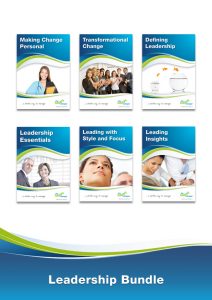 For more leadership resources look at our great-value guides. These include some excellent tools to help your personal development plan. The best-value approach is to buy our Leadership bundle, available from the store.
We’ve bundled together these five e-guides at half the normal price! Read the guides in this order, and use the tools in each, and you’ll be well on your way to achieving your personal development plan. (6 guides, 167 pages, 27 tools and 22 insights, for half price!)
- Leadership Essentials
- Defining Leadership
- Leading Insights
- Leading with Style and Focus
- Transformational Change
- Making Change Personal