Workplace Aesthetics: Why Your Office Design Is a Management Decision, Not Just a Facilities One
12 August 2026
Workplace Aesthetics: Why Your Office Design Is a Management Decision, Not Just a Facilities One
The Office as a Management Tool
When managers think about improving team morale and performance, the instinct is usually to focus on pay, benefits, recognition, and development. All of these matter. But there is a factor that shapes the daily experience of every person on the team from the moment they arrive to the moment they leave — one that operates largely below conscious awareness and is frequently overlooked in management conversations about engagement and culture: the physical environment itself.
Research consistently shows that the design of a workspace directly influences productivity, employee satisfaction, and overall business performance. A thoughtfully designed office can boost morale, reduce stress, and foster a sense of community and belonging. The converse is equally true: a neglected, poorly lit, or carelessly designed environment sends its own message to everyone who works in it — one that no team meeting or culture initiative can fully counteract.
This isn’t a peripheral concern. With 28% of UK working adults now in hybrid patterns, according to ONS data from early 2025, the office needs to earn its place in a way it never had to before. Employees who have productive, comfortable home setups come to the office for a reason — collaboration, connection, or the specific kind of focus that a well-designed shared space enables. If the office doesn’t deliver those things, the pull simply isn’t there. Understanding how aesthetics boost your team is increasingly a management competency alongside the other factors that drive engagement.
Why Physical Environment Matters More Than Most Managers Realise
The human brain processes environmental cues constantly and involuntarily. Lighting, colour, spatial layout, noise levels, and even the quality of small physical details all influence cognitive function and emotional state — not in dramatic ways that anyone notices at the time, but in steady, cumulative ways that shape the quality of thinking and the experience of working over hours, days, and weeks.
The role of office aesthetics in shaping employee experience has been documented across a wide body of workplace psychology research. Natural light is particularly well-evidenced: offices with limited daylight consistently show higher rates of fatigue, lower motivation, and reduced productivity. Ergonomic furniture reduces physical discomfort and the associated absenteeism. Spaces that support both focused individual work and collaborative interaction outperform those designed exclusively for one mode or the other. And approximately one in seven people are neurodivergent, according to the British Dyslexia Association — which means office design that accommodates different sensory needs and working styles benefits a significant proportion of most teams.
The management insight here is important: these environmental factors don’t primarily create problems that employees report. They create background conditions that employees adapt to — often without recognising that the adaptation is costing them cognitive energy, focus, or emotional resource. That quiet cost shows up as reduced creativity, slower problem-solving, lower engagement, and an environment that people are relieved to leave rather than energised to enter. Good leadership and workplace wellbeing practice treats the physical environment as part of the management environment, not separate from it.
The Signal Sent by Small Details
Managers often focus attention on high-visibility design decisions — furniture, floor plans, meeting room provision. But the smaller details that employees interact with dozens of times every day send their own consistent signal about how the organisation views the people working in it.
Light switches that don’t work properly. Cabinet handles that are loose. Bathroom fixtures that look worn out. Door hardware that feels flimsy or has been repaired with tape. Individually, each of these is a minor inconvenience. Collectively, and over time, they communicate that maintenance and quality of experience are not priorities — which employees read, subconsciously or otherwise, as a statement about how much they and their working experience are valued.
When quality details create a different impression
Investing in high-quality fixtures and fittings produces the opposite signal. It demonstrates attention to detail and a standard of care that permeates the environment employees spend most of their working day in. The feel of solid, well-made hardware — a door handle that has weight and precision, a light switch that works cleanly — contributes to a sense that the space has been thoughtfully maintained and that the people using it are worth that investment. Choosing considered, well-designed hardware such as the premium brass designs by Corston, rather than generic standard options, can transform the cumulative impression of an office environment without requiring structural changes. These are the details that employees may never explicitly remark on but that shape the ambient quality of their daily experience in ways that more visible investments sometimes don’t.
Light, Colour, and Layout — Getting the Fundamentals Right
The foundational elements of office design — lighting, colour, and spatial layout — have a disproportionate influence on how a workspace feels and functions. Getting these right creates the conditions for everything else to work. Getting them wrong creates friction that no amount of secondary investment can fully resolve.
Lighting
Natural light is the most powerful mood-influencing element available in any workspace. Maximising it — through window placement, open layouts that allow light to penetrate further into the space, and minimal use of heavy window treatments — should be the first priority. Where natural light is limited or absent, lighting that mimics its spectrum and quality produces significantly better outcomes than standard fluorescent tubes, which tend to create a flat, fatiguing environment. A combination of ambient overhead lighting and task lighting for individual workstations gives employees control over their immediate environment, which itself is associated with improved engagement and autonomy.
Colour
Colour psychology in workplace design is well-documented, though the effects are more nuanced than simple prescriptions suggest. Blues and greens tend to support concentration and a sense of calm — making them well-suited to areas requiring sustained focused work. Warmer tones — yellows, oranges, and terracottas — create energy and social warmth, which can work well in collaborative or social spaces. The principle worth applying is intentionality: rather than choosing colours based purely on current aesthetic trends or personal preference, consider what kind of cognitive and emotional state you want to support in each area of the office, and let that guide the palette.
Layout
The significant insight from workplace design research in recent years is that uniform layouts — whether entirely open-plan or entirely cellular — tend to serve nobody particularly well. Open-plan offices facilitate spontaneous collaboration and communication, but they also generate noise and visual distraction that impairs focused individual work. The offices that consistently perform best for employee satisfaction and productivity offer a range of environments within a single floor: quiet zones for concentration, collaborative areas for team working, informal lounge spaces for casual conversation, and bookable rooms for confidential calls or meetings. An office designed with nature as a colleague — incorporating biophilic elements such as plants, natural materials, and views of green spaces — adds a layer of environmental benefit that research consistently links to reduced stress and improved creative thinking.
Investing Incrementally — The Case for Starting Small
Improving workplace aesthetics doesn’t require a complete refurbishment or a large capital budget. The most effective approach for most organisations is incremental, intentional improvement — making changes that are evidence-driven and clearly linked to specific aspects of the employee experience rather than attempting wholesale transformation.
A fresh coat of paint in colours that support the work being done in each area. Better quality lighting in the zones most frequently used for focused work. The replacement of worn or cheap fixtures with higher-quality equivalents. The addition of plants to common areas. The creation of a genuinely comfortable informal space for breaks and conversations that isn’t just a corner with leftover chairs. Each of these changes is modest individually. Cumulatively, they produce an environment that feels deliberately maintained and genuinely considered — which is the experience that translates into the morale and performance effects that the research consistently documents.
The framing that produces the best outcomes is treating these investments not as maintenance costs or discretionary spending but as investments in the organisation’s most important asset. Organisations increasingly recognise that office refurbishment is a long-term investment in productivity rather than purely an aesthetic upgrade. That recognition reflects the evidence — and it also reflects the changed calculus of hybrid working, where the office now needs to actively demonstrate its value to the people who have the choice of whether to use it. Good managing performance and decision making practice treats the physical environment of work with the same strategic intentionality applied to any other factor that influences team effectiveness.
Further Reading
- Paradigm Office Interiors: What’s Next in Workplace Design — 2026 Office Trends to Watch — A comprehensive UK-focused overview of the office design trends shaping 2026, including activity-based working, biophilic design, neurodiversity-inclusive layouts, and the shift from aesthetic investment to evidence-based performance investment. Read the article
- Business Advice: Office Design to Boost Employee Wellbeing and Productivity — A practical, evidence-grounded guide to the five office design elements most directly linked to wellbeing and productivity, including the impact of natural light, ergonomic provision, and flexible layout on engagement and retention. Read the guide
- CIPD: Health and Wellbeing at Work 2025 — The CIPD’s annual research on the management practices most strongly associated with positive wellbeing outcomes, including the role of the physical work environment alongside organisational culture and leadership behaviour. Read the report
Header Photo by Copernico on Unsplash
Disclaimer
The content on this site is provided for general information and educational purposes only. It reflects the author’s views and experience and is not intended as professional interior design, facilities management, or HR advice. Every workplace is different, and readers should use their own judgement before making changes to office design or layout based on anything published here. The Happy Manager and Apex Leadership Ltd accept no liability for actions taken in reliance on the content of this article.
References
- Office Principles / OP Group (2026). Top 10 Office Design Trends for 2026. (28% of UK working adults hybrid working; biophilic design and neurodiversity-inclusive design as priorities; 1 in 7 neurodivergent.) https://officeprinciples.com/insights/office-design-trends-for-2026
- Paradigm Office Interiors (2025). What’s Next in Workplace Design: 2026 Office Trends to Watch. (Activity-based working; organisations investing in thoughtful design finding real business value.) https://www.paradigm-interiors.co.uk/office-interiors/whats-next-in-workplace-design-2026-office-trends-to-watch/
- Business Advice (2026). Office Design to Boost Employee Wellbeing and Productivity. (Natural light, flexibility, ergonomics as primary wellbeing drivers; offices adapt to people not the other way around.) https://businessadvice.co.uk/growth/business-development/business-planning/office-design-to-boost-employee-wellbeing-and-productivity/
- Norris Commercial Refurbishment / OpenPR (2026). How Poor Office Design Is Impacting Staff Productivity, Retention, and Workplace Morale. (Office refurbishment as long-term productivity investment rather than aesthetic upgrade.) https://www.openpr.com/news/4515094/how-poor-office-design-is-impacting-staff-productivity
- Sketch Studios (2026). The Impact of Workplace Design on Productivity. (Environment directly impacts satisfaction, productivity, and business performance; key design elements.) https://www.sketchstudios.co.uk/blog/the-impact-of-workplace-design-on-productivity
Leadership Resources
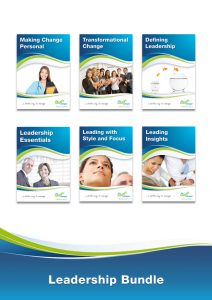 For more leadership resources look at our great-value guides. These include some excellent tools to help your personal development plan. The best-value approach is to buy our Leadership bundle, available from the store.
We’ve bundled together these five e-guides at half the normal price! Read the guides in this order, and use the tools in each, and you’ll be well on your way to achieving your personal development plan. (6 guides, 167 pages, 27 tools and 22 insights, for half price!)
- Leadership Essentials
- Defining Leadership
- Leading Insights
- Leading with Style and Focus
- Transformational Change
- Making Change Personal
Blog Content: Most blog pages on this site are from sponsored or guest contributors. Although we may receive payment for these, all posts are vetted to ensure they meet our editorial standards and offer value for our readers.
>> Return to the Leadership Knowledge Hub