What Really Matters When Choosing an SEO Partner
3 October 2026
Choosing an SEO partner can look deceptively simple. You compare services, read a few case studies, check rankings and ask about pricing. Then the proposals arrive, each promising visibility, traffic and growth.
The harder question is what happens after the contract is signed. A useful SEO partner, whether a freelance consultant or something like an seo company singapore, should not simply produce keywords and reports. They should explain which pages deserve attention, why they matter, and what should happen when the data disagrees with the original plan.
Start With Search Intent
A keyword is not a strategy. It is a clue. Consider someone searching for “office renovation services”. They are probably looking for a service page, not a 1,500-word article on the history of office design. Sending them to a blog post may earn a visit, but the page was not built for the decision the visitor is trying to make.
This is where good SEO work shifts from collecting keywords to mapping intent to pages. Before adding new content, look at what already exists and ask one question: does this page give the searcher the answer they came for?
Test It on Your Own Pages
Pick one important page on your site and search for the phrase you expect it to rank for. Look at what appears. If the results are mostly service pages and yours is an article, or the reverse, you have found a mismatch worth fixing before anyone writes new content.
More Pages Can Create Less Clarity
One common mistake is treating every missing keyword as a reason to publish another page. Imagine a site with five pages covering closely related services. A new keyword appears, so another article goes live. Six months later the site has plenty of content, but several pages compete for similar searches. The problem is not a lack of content. It is unclear ownership.
Give Each Search Theme One Owner
A better approach decides which page is responsible for each important search theme. Sometimes the right action is a new page. Sometimes it is strengthening an existing one. Sometimes two weak pages should become one stronger page. More URLs are not automatically more useful. A good SEO partner should be able to tell you which of these three actions applies, and why.
Look Beyond Rankings
Rankings are easy to report because they fit neatly into a spreadsheet. They do not always show whether the work is helping the business. Suppose a service page climbs from position 18 to position 8. That sounds encouraging. Yet if it attracts visitors who want something else, enquiries may barely change.
Now imagine another page that moves only from position 12 to position 9, but starts attracting searches closely tied to the actual service. That smaller move may matter more, even though both look similar in a ranking report. Useful reporting connects search visibility with page relevance and business outcomes. Google’s own guidance on hiring an SEO suggests asking how success will be measured, and that question is worth asking early.
Ask What Happens After Month One
The first month is full of obvious tasks: technical checks, keyword research, metadata updates and content recommendations. The more revealing question is what happens afterwards. Good SEO work responds to evidence. If a page attracts the wrong searches, the content may need to change. If an important page is not being discovered properly, the technical work deserves another look. If visitors keep dropping out at the same stage, the landing page itself may need attention. A sensible working cycle looks like this:
- Identify the search opportunity
- Match it to the right page
- Improve the page and technical signals
- Measure what changed
- Adjust based on the evidence
Why the Last Step Matters Most
That final step is easy to overlook, and it is where much of the real work happens. It mirrors the closing stage of our seven step problem solving technique, which asks you to evaluate how the process went and learn from it before you start again. The right SEO partner builds that habit into the work.
Technical SEO Still Matters
Content gets most of the attention because it is visible. Technical problems are quieter. A page can contain excellent information and still struggle if search engines cannot properly access, understand or index it. Broken internal links, duplicate pages, poor canonical signals, slow templates and inconsistent metadata can all muddy the picture.
Treat Technical Work as Ongoing
The important point is not to treat technical SEO as a one-time checklist. Websites change. New pages appear, old pages are redirected, templates are rebuilt and tracking changes. A technical review that was accurate six months ago may no longer describe the site as it exists today. Google’s hiring guidance adds a useful test: your SEO partner should be willing to explain every change they make to your site, along with the reasoning behind each recommendation.
Choose a Process, Not a Promise
When comparing providers, the most useful questions are often about process rather than promises. Ask how they decide which pages to optimise. Ask how they handle competing keywords. Ask what happens when a recommended page does not improve. Ask how technical findings are prioritised instead of simply presented in a long list.
Promises deserve extra scrutiny. Google states plainly that no one can guarantee a first-place ranking, and it advises looking elsewhere if an SEO makes that claim. If a provider offers an audit, Google also advises granting only read access to Search Console at first, and expecting realistic estimates of improvement and effort. It helps to treat the choice as a proper decision with criteria agreed in advance. Our rational decision making model offers a simple structure for weighing providers against the criteria you set before the sales calls begin.
Ask for a Concrete Example
You can also ask for a concrete example. Give them one important search term from your own site and ask which page they would target and why. The answer can reveal more than a long list of services.
Final Thoughts
SEO is often described as a race for higher rankings. In practice, it is closer to maintaining a map: understanding what people are looking for, marking each destination clearly, and correcting the route when the evidence says it is wrong. A strong SEO partner maps intent to pages, gives each search theme one owner and reports on outcomes as well as rankings. They keep adjusting after month one, treat technical work as ongoing and answer questions about process openly. The strongest strategy is not the one that creates the most pages or the longest report. It is the one that makes your site easier to understand for searchers and search engines alike, one useful page at a time.
Disclosure and Disclaimer
This is a partnered post. See our disclosure policy for details. The content on this site is provided for general information and educational purposes only. It is not intended as professional marketing, SEO or business advice. Search engine guidelines, ranking factors and consumer-protection rules vary by country and change over time. UK readers should read any agency contract carefully and may wish to take legal advice on its terms. US readers should note that contract and consumer-protection rules vary by state. Readers should seek qualified professional advice for their specific situation. The Happy Manager and Apex Leadership Ltd accept no liability for actions taken in reliance on the content of this article.
Further Reading
- SEO Starter Guide — Google Search Central: Google’s official introduction to how search engines crawl, index and understand content, useful for anyone reviewing a provider’s recommendations. Read the guide
References
- Google Search Central (2026), Do you need an SEO? Tips for hiring an SEO (questions to ask a provider, including how success is measured; no one can guarantee a first-place ranking; read-only Search Console access for audits; explain all changes made to your site). https://developers.google.com/search/docs/fundamentals/do-i-need-seo
Header Image by Diggity Marketing from Pixabay
Leadership Resources
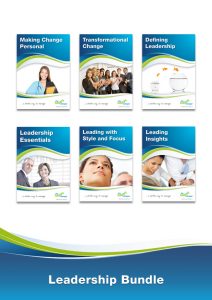 For more leadership resources look at our great-value guides. These include some excellent tools to help your personal development plan. The best-value approach is to buy our Leadership bundle, available from the store.
We’ve bundled together these five e-guides at half the normal price! Read the guides in this order, and use the tools in each, and you’ll be well on your way to achieving your personal development plan. (6 guides, 167 pages, 27 tools and 22 insights, for half price!)
- Leadership Essentials
- Defining Leadership
- Leading Insights
- Leading with Style and Focus
- Transformational Change
- Making Change Personal