How To Build A Team That Works Better Together
16 July 2026
How To Build A Team That Works Better Together
Great teams don’t happen by magic, goodwill, or a motivational poster in the break room. They usually come from small, smart choices made consistently over time. If you want people to work better together, you need more than talent on paper. You need a clearer picture of how people think, communicate, and respond under pressure. Once you start noticing those patterns, teamwork feels less like guesswork and more like something you can actually improve.
Know Your Work Styles
One of the easiest ways to build a team that functions well is to understand how people naturally operate. Some people move fast and decide quickly. Others like time to think, organise details, and ask questions before they act. Neither style is wrong. Problems usually start when people expect everyone else to work exactly the same way they do.
Misreading a colleague’s behaviour is easy when you have no framework for what’s driving it. A pattern that looks like resistance might just be someone processing information at their own pace. Understanding culture index personality types helps you spot the behaviour patterns that shape hiring, communication, and team fit. You’re not putting people in boxes — you’re getting useful clues about what helps them do their best work.
When you understand work styles, you stop taking everything personally. The quiet colleague may not be disengaged. The chatty one may not be unfocused. They may just process work differently. That small shift in thinking can save your team a significant amount of unnecessary stress.
Spot Everyday Friction
Most team problems don’t begin with major drama. They start with small annoyances that accumulate over time. One person thinks a deadline is flexible. Another thinks it’s fixed. Someone wants every detail in writing, while someone else prefers a quick conversation and a nod.
This kind of friction shows up in predictable ways. A project stalls because nobody is clear who owns the final step. A meeting feels frustrating because half the group wants to brainstorm and the other half wants decisions. A manager gives broad direction, but the employee needs something more specific to move forward.
If you want to improve how a team works, start by watching for these recurring patterns. Where does confusion happen most often — during handoffs, meetings, feedback, or planning? You don’t need a major intervention. You just need to notice where things keep going wrong, then adjust the system rather than blaming the people.
Match Strengths to Tasks
Not every task suits every person, and that’s completely normal. One of the most effective things you can do when you build a team is match work to natural strengths wherever possible. This doesn’t mean people never stretch outside their comfort zone — it just means the everyday workload shouldn’t consistently feel like the wrong fit.
A big-picture thinker may thrive when starting projects, pitching ideas, or solving unexpected problems. A detail-focused colleague is often the one who keeps timelines clean, catches errors, and follows through on the small steps that make the whole thing work. Some people are strong in people-facing roles — great at checking in, smoothing tension, or building trust with clients. Others do their best work when they can focus deeply without frequent interruptions.
When you assign tasks with these strengths in mind, people tend to work faster, make fewer mistakes, and feel less drained. The Knowledge Hub section on teams explores the thinking behind strengths-based team building in more depth.
Make Communication Easier
Good communication isn’t about talking more. It’s about making it easier for people to understand what matters — and that often means adjusting your approach depending on who you’re speaking to and what they need.
Some colleagues want short, direct updates. Others need a bit of context before they can move. If you manage both types in exactly the same way, someone is likely to feel lost or frustrated. A simple adjustment can help a lot: written bullet points for one person, a quick call for another.
Meetings are a common trouble spot too. If your team leaves a meeting unclear about next steps, the meeting wasn’t useful — regardless of how politely everyone sat through it. Ending with clear actions, owners, and deadlines takes two minutes and makes a material difference. Feedback is similar: some people want immediate input, others need a calmer moment to process it properly. Pay attention to how people respond, and communicate in a way that actually lands.
Handle Conflict Early
Small issues tend to grow when nobody addresses them. A missed message becomes a recurring irritation. A tone problem becomes a story people tell themselves. Before long, the team is behaving oddly in meetings and pretending everything is fine.
The most effective approach is to address tension early, while it’s still manageable. That means asking straightforward questions rather than making assumptions: “I noticed this project got stuck — what happened?” works considerably better than an accusatory response that puts people on the defensive.
Focus on behaviour and impact, not personality. Talk about what was missed, what caused the confusion, and what needs to change. Conflict doesn’t always mean the team is broken — sometimes it means people care, have different working styles, or need clearer systems. Handled well, it can make a team more honest and more effective. The leadership section of the Knowledge Hub covers approaches to managing difficult conversations in more detail.
Create Better Team Habits
Strong teamwork usually comes from repeatable habits, not a single workshop that everyone forgets by the following week. If you want to build a team that sustains its performance, develop routines that support clarity, trust, and realistic expectations.
Short, regular check-ins work well — ask what’s moving, what’s stuck, and what help is needed. This keeps small issues from becoming large ones and gives quieter team members space to speak before frustration builds. Role reminders help too, especially when projects change quickly. People work better when they know what they own and what someone else owns — it reduces overlap, delays, and inadvertent duplication.
It also helps to talk honestly about workload. A team can look productive on the surface while quietly running on empty. If someone is overloaded, everything eventually suffers. The goal isn’t a perfect team. It’s a team that understands itself well enough to work through challenges without falling apart every time things get pressured.
Conclusion
Building a team that works well together isn’t a one-off task — it’s an ongoing practice. The managers who do it best tend to be the ones who pay attention: to how people operate, where friction keeps appearing, and what small adjustments make the biggest difference.
None of the steps here require a big budget or a restructure. They require curiosity, consistency, and a willingness to treat teamwork as something worth actively developing rather than something that either happens or it doesn’t. Start with one area, make it a habit, and build from there.
Further Reading
- CIPD — High-performing Teams: An evidence review exploring what makes teams effective, including the role of trust, psychological safety, and team dynamics. cipd.org
- Gallup — The Key to Teamwork: Data-driven insight into the conditions that enable teams to collaborate effectively and sustain high performance. gallup.com
- MIT Sloan Management Review — How to Build Collaborative Teams: A practical framework for reducing the friction that undermines team collaboration in organisations of all sizes. sloanreview.mit.edu
Header Photo by Moe Magners
Disclaimer: The information in this article is provided for general guidance only. It reflects the views and experience of the contributor and does not constitute professional management, HR, or organisational advice. Readers should seek independent professional advice before making decisions based on the content of this article. The Happy Manager and Apex Leadership Ltd accept no liability for actions taken in reliance on the information provided here.
References
- CIPD (2023). High-performing Teams: An Evidence Review. cipd.org
- Gallup (2024). Why You Need a Best Friend at Work. gallup.com
- MIT Sloan Management Review (2024). How to Build Collaborative Advantage. sloanreview.mit.edu
Leadership Resources
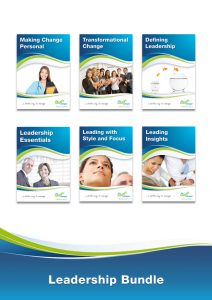 For more leadership resources look at our great-value guides. These include some excellent tools to help your personal development plan. The best-value approach is to buy our Leadership bundle, available from the store.
We’ve bundled together these five e-guides at half the normal price! Read the guides in this order, and use the tools in each, and you’ll be well on your way to achieving your personal development plan. (6 guides, 167 pages, 27 tools and 22 insights, for half price!)
- Leadership Essentials
- Defining Leadership
- Leading Insights
- Leading with Style and Focus
- Transformational Change
- Making Change Personal
Blog Content: Most blog pages on this site are from sponsored or guest contributors. Although we may receive payment for these, all posts are vetted to ensure they meet our editorial standards and offer value for our readers.
>> Return to the Leadership Knowledge Hub