Career Change: The Emotional Side of Leaving a Successful Industry Behind
16 July 2026
Career Change: The Emotional Side of Leaving a Successful Industry Behind
The Part Nobody Talks About
There is a kind of grief that comes with leaving a career you were good at, and very few people talk about it. Not because you burned out or were pushed out, but because you chose something different. And yet, it still stings.
That is the part most career advice skips. Everyone wants to talk about CV gaps and skill transfers. Fewer people talk about what it feels like to start over when you already know what it felt like to have figured things out. Around 35% of UK workers have made a significant career change at some point, and among senior professionals the emotional complexity of that transition is consistently underestimated — both by the people going through it and by the organisations and managers around them.
This article is for anyone navigating that experience, and for managers who are watching team members go through it. The practical and the emotional are both worth taking seriously.
Why Leaving a Successful Career Feels Personal
Work gets tangled up in who you are
Without fully noticing it, a career becomes part of identity. It shapes more than your working hours. It influences how you introduce yourself, how you talk about what you bring to the table, and sometimes how you measure whether a day was worthwhile. When that changes — even when it’s your choice — it can be surprisingly disorienting. You are leaving behind a version of yourself that felt familiar for a long time. That takes a while to sit with, and most people are not prepared for it.
This is worth understanding both for people making the transition and for managers working alongside them. A colleague who has recently changed industries and seems less settled than expected may be processing something more complex than just learning a new role. Identity adjustment is real and takes time — and it happens at the same time as all the practical demands of starting somewhere new. Good leadership and workplace wellbeing practice recognises the whole person, not just the functional contributor.
Choosing to leave does not make it easy
There is a guilt that comes with walking away from something you built. You had stability. You had earned respect in your field. You had the thing people spend years chasing — and you decided it was not enough. Some days the decision feels confident. Other days you rethink it entirely. That is not a sign of failure. It is a normal part of moving on from something that mattered.
Adjusting to Being New Again
The beginner phase is uncomfortable on purpose
Being good at something for a long time doesn’t make starting over easier. If anything, it can make it harder. You are used to knowing your way around, so it is more unsettling to find yourself having to relearn the basics. You will ask questions that feel embarrassing given your experience level. You will misread situations that seem obvious to people around you. You will have moments where you think: this is taking far longer than it should.
Most of that is normal. It is not evidence that the decision was wrong. It is evidence that genuine learning is happening — which is always uncomfortable at the front end.
Self-doubt is not the enemy
The goal is not to eliminate self-doubt during a career change. The goal is to stop waiting for it to disappear before doing anything. Most people who successfully changed industries did not feel confident early on. They kept showing up anyway. Confidence came after they had done the work for a while — not before it.
Small things help. Writing down what went well at the end of a hard week. Noticing when you handle something that once felt difficult. These give you something to look back on when it feels like progress has stalled. The accumulation of small evidence matters considerably more than waiting for a moment of sudden clarity.
Stop comparing your chapter one to someone else’s chapter ten
When you are new to an industry, you are surrounded by people who have been doing the job for years. They work faster, speak the language naturally, and make decisions that seem effortless. The comparison is almost inevitable — and almost always unhelpful. What you are seeing is the product of years of accumulated experience. What they are seeing, when they look at you, is often someone with a background they don’t have and skills that will become more visible over time.
Moving Through the Transition
The emotional and professional timelines are different
You can be making real progress in a new field and still feel unsettled. Those two things are not as connected as people assume. The practical side of a career change — getting a new job, learning new tools, building new contacts — can move forward while you are still quietly processing the version of yourself you left behind. There is nothing wrong with that. It helps to know the two things are separate, so you don’t use one to measure the other.
One of the hardest parts of career transitions is feeling like you have to figure everything out alone. Having support from a coach, mentor, or therapist can help you put the experience into perspective and navigate the emotional side of major change. That kind of support is increasingly recognised — not as a sign of difficulty, but as a sign of taking the transition seriously. The World Economic Forum’s Future of Jobs Report 2025 listed emotional intelligence among the most important skills for the next five years. Learning to manage a significant professional transition with self-awareness is part of developing that capability.
Your old skills did not disappear
You learned things in your previous career that don’t appear on a skills matrix but matter everywhere. How to handle conflict without making it worse. How to read a room before a difficult conversation. How to push a project forward when the energy has died down. How to earn credibility with people who are sceptical.
None of that went away when you changed industries. It just takes time to learn where those skills fit in a different context. The translation period is real — but it is not the same as starting from scratch. People entering a new field with significant prior experience bring something that people who came up through that field in a straight line typically don’t have: a genuinely different perspective, hard-won instincts from a different context, and the ability to ask questions that insiders stopped thinking to ask. That background is not irrelevant. It is often one of the more interesting things you bring.
Building a New Sense of Purpose
Success needs a new definition
The benchmarks you used to measure yourself probably don’t apply anymore. The title, the salary range, the kind of respect that took you years to earn in your previous field — none of those translate directly. That discomfort is real. But it often comes with something worth noticing: the freedom to rethink what matters most. A career change forces the question of what you actually want, stripped of the markers you had grown used to. That question is worth taking seriously, even if the answer takes time to arrive.
Realistic confidence beats borrowed optimism
You don’t need to feel certain about where you are right now. You just need to be honest that you have done hard things before and worked your way through them. Not because of exceptional talent or fortunate timing, but because you kept going when it was unclear whether things were working. That is the same disposition that gets people through career transitions. It is not about being optimistic. It is about trusting the process of persistent effort, even when the feedback is slow.
None of this guarantees that the transition will be easy. It simply acknowledges something that is already true: you have learned difficult things before, and you can learn this too. The Knowledge Hub on personal development covers the management of professional growth and transitions in more depth — useful for anyone navigating this kind of change, and for managers supporting people who are.
A Note for Managers Supporting Team Members Through Career Transitions
Career changes don’t only happen between jobs. They happen when experienced professionals join a new sector, take on a significantly different role, or find that the identity they built in one context doesn’t translate automatically to another. Managers who understand the emotional complexity of this — who give people time to find their feet without misreading the adjustment period as a performance problem — tend to retain and develop those people far more effectively than those who don’t.
The most useful things a manager can do are often the simplest: acknowledge that the transition is real, ask what would make the early period more manageable, and notice effort and progress rather than only outcomes. Someone in the middle of a genuine transition is often working harder than it looks. Recognising that, rather than measuring them against colleagues who have been in the field for years, is one of the more straightforward ways to demonstrate the kind of management that makes people want to stay.
Further Reading
- CIPD: Transitioning into the People Profession — The CIPD’s guidance on career transitions, including how transferable skills from other industries translate into new roles — with real case studies from people who have successfully moved between careers. Useful reading for anyone mid-transition, and for managers supporting team members who are. Read the guidance
- Keystone Partners: 2026 Leadership Trends — Executive Transitions and Career Change — Research-backed guidance on supporting leaders through career transitions, including the emotional and practical dimensions of significant professional change. Read the article
- CIPD: Career Transition and Outplacement Support — The CIPD’s guidance on supporting employees through career transitions, including what good outplacement and career coaching looks like and how organisations can help people move well. Read the factsheet
Disclaimer
The content on this site is provided for general information and educational purposes only. It reflects the author’s views and experience and is not intended as professional career counselling, psychological, or HR advice. Career transitions vary enormously in their complexity and emotional impact. Readers should use their own judgement and seek appropriate professional support where needed. The Happy Manager and Apex Leadership Ltd accept no liability for actions taken in reliance on the content of this article.
References
- Electroiq (2025). Career Change Statistics 2025 by Age, Seniority and Experience. https://electroiq.com/stats/career-change-statistics/
- World Economic Forum (2025). Future of Jobs Report 2025. Referenced in: Flowprofiler (2025). https://flowprofiler.com/leadership-trends-to-expect-in-2026/
- Keystone Partners (2026). 2026 Leadership Trends: Succession Planning, Executive Transitions and AI Skills. https://www.keystonepartners.com/resources/2026-leadership-trends-succession-planning-ai-skills-keystone/
- High5Test (2026). Comprehensive Career Change Statistics in the US. https://high5test.com/career-change-statistics/
- AscendurePro (2026). Best Career Transitions in 2026: High-Growth, High-Salary Paths. (WEF automation and career transition urgency data.) https://ascendurepro.com/best-career-transitions/
Leadership Resources
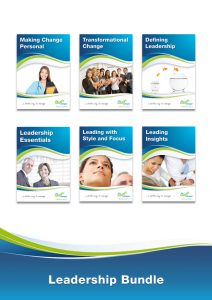 For more leadership resources look at our great-value guides. These include some excellent tools to help your personal development plan. The best-value approach is to buy our Leadership bundle, available from the store.
We’ve bundled together these five e-guides at half the normal price! Read the guides in this order, and use the tools in each, and you’ll be well on your way to achieving your personal development plan. (6 guides, 167 pages, 27 tools and 22 insights, for half price!)
- Leadership Essentials
- Defining Leadership
- Leading Insights
- Leading with Style and Focus
- Transformational Change
- Making Change Personal
Blog Content: Most blog pages on this site are from sponsored or guest contributors. Although we may receive payment for these, all posts are vetted to ensure they meet our editorial standards and offer value for our readers.
>> Return to the Leadership Knowledge Hub