Building a Resilient Team Culture Through Internal Brand Strategy
16 November 2026
An employee leaves, and the damage rarely stops at the vacancy. Colleagues absorb the workload and hand-overs slip. The team starts wondering who will go next. The Australian HR Institute (AHRI) reported that the 12-month average employee turnover rate to the end of June 2024 was 15%. Most managers cannot change pay scales or the office. They can change how clearly their team understands what the organisation stands for and why their work matters. That is the thinking behind internal branding, a marketing idea that works well as a management tool. This article explains what internal branding means for a manager, what the evidence says and how to start.
A Note on the Examples Used
The turnover data and the company example come from Australia. The supporting research is mostly from the United States and the United Kingdom. Employment law, hiring practice and working culture differ between countries. Treat the examples as illustrations of an approach, and check what applies where you manage.
Why Internal Branding Is a Management Job
Most people picture branding as logos, campaigns and customer messages. Executives often bring in professional brand consultants to define that outward identity. An external brand only holds up if the culture behind it matches. That culture is built in departments, not in the boardroom.
Internal branding connects employees to the values and purpose of the organisation. Managers carry most of that work. Gallup’s research found that managers account for at least 70% of the variance in employee engagement scores. Your team learns what the company’s values mean from you. They see what you praise, what you tolerate and how you explain decisions. When you communicate those values well, people stop feeling like cogs and start acting like participants in a shared aim.
The CIPD, the UK professional body for HR, makes a related point. It says shared, clearly defined values help people understand their organisation. It also says culture has to be managed and evaluated, not left to chance. A values statement on the wall does nothing alone. It matters when a manager uses it in real decisions about priorities, behaviour and recognition. Internal branding is the day-to-day version of that advice.
Purpose and Staying Power
Work now spreads across offices, homes and screens. The old retention tools, such as free lunches or a table-tennis table, count for less. People increasingly want meaning in the work itself. A McKinsey survey of 1,021 US workers in August 2020 found that 70% said their sense of purpose is defined by their work. The authors argue that helping employees find purpose is a retention issue. They also report that people who live their purpose at work are more productive, healthier, more resilient and more likely to stay. They link alignment between personal and organisational purpose to higher engagement and loyalty. Read these as strong signals, not guarantees.
Values that feel hollow have a cost too. A 2022 Qualtrics survey of 2,348 workers in the US and the UK asked who was thinking about leaving. Among employees whose personal values matched their company’s, 33% were. Among those whose values did not match, 44% were. The gap is real but moderate. Misaligned values nudge people towards the door more than they push them. Our motivation knowledge hub covers what drives people beyond pay.
Practical Ways to Build an Internal Brand
Turning abstract values into team habits takes deliberate effort and regular reinforcement. Explaining organisational values clearly is a cornerstone of proactive management. It also supports motivation and morale over time. These four steps give you somewhere to start:
- Hire for values as well as skills. Technical skills can be taught, but a poor cultural fit is harder to fix. Atlassian, the Australian software company, includes a values interview in its engineering interview process, typically with someone outside the team the candidate would join. Feedback from all interviewers is then consolidated and debriefed together. You may not control your company’s process. You can still add a values question to your own interviews.
- Assess how people work, not only what they produce. If appraisals measure output alone, they signal that behaviour does not matter. Add a short, honest discussion of how each person has shown the team’s values. Give examples of what good looks like. Check any change to performance criteria against your organisation’s policies and local employment law first.
- Understand how your people communicate. Behavioural assessment tools can help you see individual communication preferences. Use them to open conversations about how the team works together. Do not use them to label people.
- Ask the team. If you are defining team values, collect views from the people who will live with them. Involvement builds ownership. It also surfaces gaps between what leaders say and what staff experience. Our workplace well-being knowledge hub offers practical guidance on creating that kind of culture.
A simple test of your internal branding is to ask three team members to describe, in their own words, what the team stands for. Similar answers suggest the message is landing. Very different answers show you where to start. Treat these steps as a cycle, not a one-off project. Revisit the values conversation every few months. New starters, changes of priority and the occasional crisis all test how well the message has landed. If your team’s answers drift away from what you intended, adjust how you explain and demonstrate the values before blaming the team.
Final Thoughts
Internal branding is not a poster campaign. It is the habit of explaining what the organisation stands for in terms your team can see in daily work, then behaving in line with it. Managers hold more influence over engagement than most of them realise. Values that are lived, not just stated, give people reasons to stay. Start small. Ask your team what they think the organisation stands for. Compare their answers with what you intended, then close one gap at a time. Teams that understand and share a purpose are better placed to handle whatever change arrives next.
Disclosure and Disclaimer
This is a partnered post. See our disclosure policy for details. The content on this site is provided for general information and educational purposes only. It is not intended as professional HR, legal or business advice. Employment law, hiring practice and workplace rules vary between countries and change over time. UK readers should check current employment law and ACAS guidance before changing selection or performance criteria. US readers should note that employment rules vary by state and should consult a qualified adviser. Readers in Australia should check current Fair Work requirements. Readers should seek qualified professional advice for their specific situation. The Happy Manager and Apex Leadership Ltd accept no liability for actions taken in reliance on the content of this article.
Further Reading
- Organisational Culture — CIPD: A UK professional body’s viewpoint on how shared values shape culture and why it has to be managed. Read the viewpoint
- State of the Global Workplace: Australia Country-Level Data — Gallup: Gallup’s engagement figures for Australian workers, set against global and regional averages. Read the data
- Employee Engagement — Gallup: The research behind the finding that managers account for most of the variance in engagement. Read the article
References
- Australian HR Institute (2024), AHRI’s Quarterly Australian Work Outlook, September 2024 (12-month average employee turnover to the end of June 2024 was 15%). https://www.ahri.com.au/resources/hr-research/ahris-quarterly-australian-work-outlook-september-2024
- Gallup (2015), Managers Account for 70% of Variance in Employee Engagement (managers account for at least 70% of variance in engagement scores). https://www.gallup.com/workplace/236570/managers-account-variance-team-engagement.aspx
- CIPD (n.d.), Organisational Culture (shared values, and culture as something to be managed and evaluated). https://www.cipd.org/uk/views-and-insights/cipd-viewpoint/organisational-culture/
- Dhingra, N., Samo, A., Schaninger, B. and Schrimper, M. (2021), Help your employees find purpose—or watch them leave, McKinsey & Company (70% of surveyed employees say purpose is defined by work; August 2020 survey of 1,021 US workers). https://www.mckinsey.com/capabilities/people-and-organizational-performance/our-insights/help-your-employees-find-purpose-or-watch-them-leave
- Qualtrics (2022), Employees who feel aligned with company values are more likely to stay (33% against 44% considering leaving; survey of 2,348 US and UK respondents, April 2022). https://qualtrics.com/blog/company-values-employee-retention/
- Atlassian (n.d.), Atlassian Engineering Interview Guide (values interview, usually with someone outside the hiring team; interviewers consolidate feedback and debrief). https://www.atlassian.com/company/careers/resources/interviewing/engineering
Image by sakibmia4 from Pixabay
Leadership Resources
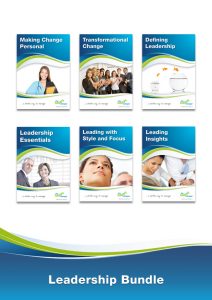 For more leadership resources look at our great-value guides. These include some excellent tools to help your personal development plan. The best-value approach is to buy our Leadership bundle, available from the store.
We’ve bundled together these five e-guides at half the normal price! Read the guides in this order, and use the tools in each, and you’ll be well on your way to achieving your personal development plan. (6 guides, 167 pages, 27 tools and 22 insights, for half price!)
- Leadership Essentials
- Defining Leadership
- Leading Insights
- Leading with Style and Focus
- Transformational Change
- Making Change Personal