7 Key Tips to Start a Food Business and Grow It
22 August 2026
Everyone loves food. Whether that means ordering a delivery, booking a table, or simply enjoying a good meal at home, the appeal never really fades. That’s often what draws people towards starting a food business in the first place. Most people who take the leap already have real experience in the industry, and demand for good food rarely disappears.
Even so, enthusiasm alone won’t carry a food business through its early years. Success isn’t guaranteed. Getting the basics right from day one gives a new venture its best chance of lasting. The following seven areas form a solid foundation to build on.
1. Secure Your Funding
Money is usually the first practical hurdle, and often the biggest one. Before almost anything else can happen, you’ll need a clear budget covering your expected costs and income. Getting this figure exactly right on the first attempt is unlikely, but get as close as you can. Looking at typical costs for your type of food business is a sensible starting point.
From there comes the question of securing your finances. If you don’t have enough capital of your own, a business loan or outside investment are the usual routes. The government-backed Start Up Loans scheme, for example, lends between £500 and £25,000 to new UK businesses. The average loan currently sits at just over £10,000. Borrowing does mean taking on debt, and bringing in investors means giving up a share of the business. For many new food businesses, one of these options is still the right call.
2. Get Licenses & Permits
Food is one of the most heavily regulated industries. You’ll need several licenses and permits in place before you can legally sell anything. Start this process early, since approvals can take time and delays here can push back your entire opening. Every food business in the UK, including those trading from home or online, must register with the local authority at least 28 days before trading. Registration itself is free and can’t be refused, but missing the deadline can hold up your launch.
Local and national health and safety codes both apply. Check requirements at each level rather than assuming one covers the other. Overlooking a permit you didn’t know you needed is one of the more common, and avoidable, ways new food businesses run into trouble.
3. Pick the Right Vendors
Every food business depends on vendors, and their role can cover a wide range of services. These are the third-party companies delivering your supplies, providing same-day refrigerated delivery for events, or handling your accounts. Whichever role they play, they’ll matter to how smoothly the business runs.
Because vendors matter so much, take the time to find ones that genuinely fit. It’s natural to focus on what you need right now, but keep your longer-term plans in mind too. Ask whether a supplier can scale alongside you. Outgrowing one halfway through the year is a hassle worth avoiding, and getting this right early saves a lot of disruption later.
4. Hire the Right Team
Plenty of people start a food business themselves. Growth, though, eventually means bringing in staff, and there comes a point where doing everything yourself simply isn’t possible. Resist the temptation to hire the first few applicants who apply. A more deliberate approach pays off.
Some criteria will be non-negotiable, such as food safety training, but soft skills matter too. Look for candidates who meet the essential requirements and who also fit well with the culture you’re building.
5. Have a Solid Business Plan
Long before opening day, you’ll need a proper business plan. It shapes almost everything that follows, from keeping the business on track to securing funding from a lender or investor. Start as early as you can. Careful planning matters even more given how many food businesses don’t make it. UK restaurant and takeaway insolvencies have run into the thousands each year recently — a reminder that good intentions need a solid plan behind them.
Putting a full business plan together can feel daunting, since it needs to cover every part of the business. The effort pays off. A good plan should include a mission statement, your brand values, a sales and marketing strategy, realistic revenue and expense estimates, and details of the suppliers you intend to work with. It takes time to prepare properly, but that groundwork makes a real difference once the business is up and running.
6. Properly Price Your Products
You already know you’ll need to price your products before you open. That’s not just a case of picking a number and moving on, though. Have a pricing strategy in place from the outset, so you can find the right price for your business and your target market.
You may end up adjusting prices as you learn more about your customers. Start with a rough range in mind, take your costs, then add a fair margin for profit. Expect to revisit this over time as you get a clearer picture of what actually sells.
7. Invest in Advertising
Marketing deserves serious investment, whatever kind of food business you’re running. Nobody can buy from you if they don’t know you exist. Start advertising before you open, so there’s already some buzz by the time your doors open. This matters especially for restaurants and similar businesses that rely on bookings.
Ideally, advertising should begin a few weeks ahead of opening, building anticipation for the big day. The right marketing mix depends on your audience, but for most food businesses, local marketing is the sensible starting point.
That mix might include digital tactics like local SEO alongside offline methods such as flyers. Together, they create the buzz that gets people through the door once you open.
Starting a food business rewards patience as much as passion. Get funding, licensing, staffing and planning right from the outset, and you’ll give your business the best possible chance of lasting well beyond opening day.
Disclosure and Disclaimer
This is a partnered post — see our disclosure policy for what this means. This page may also contain affiliate and advertising links.
This article offers general guidance only and isn’t a substitute for professional legal, financial or regulatory advice. Requirements for licensing, funding and employment vary by location and change over time, so check the current rules with your local authority or a qualified adviser before making decisions for your food business.
Further Reading
- British Business Bank: Reviewing Your Business Plan — Practical guidance on structuring and strengthening a business plan before presenting it to a lender or investor, with links to free templates from the Start Up Loans Company and GOV.UK. Read the guide
- GOV.UK: Employ Someone — Step by Step — The official government walkthrough of taking on a first employee, covering job adverts, fair recruitment, contracts and payroll. Read the guidance
- Xero: Small Business Marketing — Strategy, Plan and Ideas — A practical framework for building a marketing plan on a small business budget, including how much of revenue to allocate and which channels to prioritise first. Read the guide
References
- Food Standards Agency (2026). Getting ready to start your food business. (Registration required at least 28 days before trading; free and cannot be refused.) https://www.food.gov.uk/business-guidance/getting-ready-to-start-your-food-business
- Start Up Loans Company (2026). Start Up Business Loans. (Government-backed loans of £500–£25,000; average loan around £10,000.) https://www.startuploans.co.uk/
- CompanyDebt (2026). UK Restaurant Insolvency Statistics 2026. (1,011 restaurant and mobile food service insolvencies in England and Wales, January–June 2026, per Insolvency Service data.) https://www.companydebt.com/data/restaurant-insolvency-statistics/
Image Credit: Taylor Grote from Unsplash.
Leadership Resources
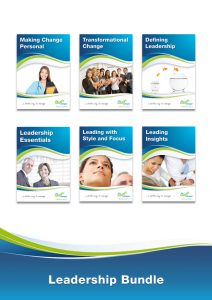 For more leadership resources look at our great-value guides. These include some excellent tools to help your personal development plan. The best-value approach is to buy our Leadership bundle, available from the store.
We’ve bundled together these five e-guides at half the normal price! Read the guides in this order, and use the tools in each, and you’ll be well on your way to achieving your personal development plan. (6 guides, 167 pages, 27 tools and 22 insights, for half price!)
- Leadership Essentials
- Defining Leadership
- Leading Insights
- Leading with Style and Focus
- Transformational Change
- Making Change Personal