5 Lessons Managers Can Learn From Startup Founder Interviews on Team Building
30 June 2026
5 Lessons Managers Can Learn From Startup Founder Interviews on Team Building
There’s a version of management advice that sounds good in a workshop but falls apart the moment you’re dealing with an actual team, actual deadlines, and actual people who don’t always behave the way the textbook said they would. Startup founders know this feeling well. They build teams from scratch, often with limited resources, no established playbook, and very little margin for getting it wrong.
What they learn in the process tends to be practical in a way that corporate management theory sometimes isn’t. If you manage people and you’re looking for perspectives that hold up in the real world, the experiences of startup founders are worth paying close attention to.
Here are five lessons that come up again and again when founders talk honestly about how they’ve built their teams.
1. Hiring for Culture Fit Alone Is a Trap
Early-stage founders often make this mistake. They hire people they like, people who share their values and energy, and then discover too late that the team is full of similar thinkers with similar blind spots. The enthusiasm is real, but the friction that drives better decisions never shows up because everyone is too aligned.
What founders learn, usually the hard way, is that complementary skills and different perspectives matter more than shared personality. A team that agrees on everything too easily is a team that’s not catching its own errors. The lesson for managers in established organisations is the same: cultural cohesion is valuable, but intellectual diversity is what makes a team actually functional under pressure. Good team building means actively seeking out difference, not just compatibility.
2. Transparency Builds More Trust Than Optimism
Founders who have led teams through hard stretches — funding gaps, pivots, unexpected losses — often say the same thing: the teams that held together were the ones that were told the truth. Not every detail, but enough to understand the situation and feel like adults in the room. Platforms that feature startup founder interviews regularly surface this theme across industries and company sizes, because it shows up so consistently that it stops feeling like an opinion and starts feeling like a pattern. Spotlight On Startups gives managers access to these firsthand accounts in a way that’s more grounded than most leadership content you’d find in a business magazine.
Employees who feel kept in the dark don’t feel protected. They feel managed. And people who feel managed rather than trusted tend to disengage faster than those who feel like genuine contributors to a shared situation.
3. Accountability Starts With Structure
A lot of managers rely on culture to carry accountability. They hire good people, set expectations, and assume that everyone cares enough to follow through. Founders learn quickly that caring isn’t the same as having clarity. When it’s not obvious who owns what, when deadlines aren’t real because there are no consequences for missing them, and when feedback gets softened to avoid discomfort, things slip — not because people don’t care, but because the structure doesn’t require follow-through.
According to research from Gallup, only about one in three workers in the US strongly agree that their manager helps them set performance goals. That gap between expectation and clarity is where most accountability problems actually live. The fix isn’t harder management. It’s clearer structure and more consistent follow-through on the basics.
4. Strong Onboarding Drives Better Performance
Founders who have scaled teams quickly tend to become very intentional about onboarding, because they’ve seen what happens when they’re not. A new hire who spends their first two weeks confused about priorities, unclear on how decisions get made, and unsure who to ask for help doesn’t just have a slow start. They form habits and assumptions during that window that are hard to undo later.
What comes through consistently in founder accounts is that the first thirty days of someone’s experience on a team predicts a lot about their trajectory. Structured onboarding, early wins, clear role definition, and deliberate introduction to how the team actually operates all contribute to a faster, more confident ramp-up. This is as true for a ten-person startup as it is for a department inside a larger organisation.
Onboarding as team building
It’s worth thinking of onboarding not just as an administrative process but as the first act of team building for every new hire. The messages people receive in those early weeks — about standards, about communication, about how decisions get made — shape how they’ll behave for months afterwards. Managers who invest in that window tend to see the return in cohesion and performance long after the induction period has ended. The managing performance section of the Knowledge Hub covers some of the practical approaches that support this.
5. Keeping the Wrong People Hurts the Team
This is probably the most uncomfortable lesson founders share, but it’s also one of the most consistent. Keeping someone on a team past the point where it’s clearly not working — out of loyalty, conflict avoidance, or hope that things will improve — sends a message to everyone else about what the standards actually are. Harvard Business Review found that a single toxic team member can reduce overall team performance significantly, even when everyone else is performing well.
The lesson isn’t to be ruthless. It’s to be honest earlier, give feedback with enough specificity that people can actually act on it, and make decisions based on what’s true rather than what’s comfortable.
The Takeaway
Startup founders aren’t management gurus, and they’d be the first to say so. But the lessons they carry out of building teams under real pressure tend to be stripped of the theory and grounded in what actually happened. The through line across most of their experiences is simpler than most management frameworks make it sound: be honest with your team, build clear structures, and deal with problems before they become patterns.
For managers looking to sharpen how they lead, that kind of firsthand perspective on team building is hard to replicate in a training room. The insights are out there, and they’re worth looking for before you need them.
Further Reading
- Gallup — State of the Global Workplace: Annual research on employee engagement, manager effectiveness, and the structural conditions that drive team performance. gallup.com
- Harvard Gazette — Beware of those toxic co-workers: Summary of an HBR article summarising the Housman and Minor research on the performance cost of toxic team members. hbr.org
- CIPD — Organisational Culture and the Role of Leaders: Practical guidance on how managers shape culture through everyday decisions, not just policy. cipd.org
Disclaimer: The information in this article is provided for general guidance only. It reflects the views and experience of the contributor and does not constitute professional management, HR, or business advice. Readers should seek independent professional advice before making decisions based on the content of this article. The Happy Manager and Apex Leadership Ltd accept no liability for actions taken in reliance on the information provided here.
References
- Gallup (2024). State of the Global Workplace Report. gallup.com
- Housman, M. and Minor, D. (2015). Toxic Workers. Harvard Business School Working Paper No. 16-057. hbs.edu
- Harvard Business Review (2015). It’s Better to Avoid a Toxic Employee Than Hire a Superstar. hbr.org
- Gallup (2024). Improve Employee Engagement in the Workplace. gallup.com
Leadership Resources
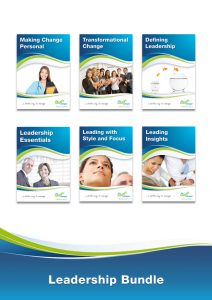 For more leadership resources look at our great-value guides. These include some excellent tools to help your personal development plan. The best-value approach is to buy our Leadership bundle, available from the store.
We’ve bundled together these five e-guides at half the normal price! Read the guides in this order, and use the tools in each, and you’ll be well on your way to achieving your personal development plan. (6 guides, 167 pages, 27 tools and 22 insights, for half price!)
- Leadership Essentials
- Defining Leadership
- Leading Insights
- Leading with Style and Focus
- Transformational Change
- Making Change Personal
Blog Content: Most blog pages on this site are from sponsored or guest contributors. Although we may receive payment for these, all posts are vetted to ensure they meet our editorial standards and offer value for our readers.
>> Return to the Leadership Knowledge Hub