Workplace Productivity: Four Office Environment Changes That Make a Real Difference
4 June 2026
Workplace Productivity: Four Office Environment Changes That Make a Real Difference
Why the Office Environment Deserves More Management Attention
Workplace productivity has become one of the defining challenges for UK organisations in the hybrid era. Office attendance in 2024 remained around 30% lower than pre-pandemic levels, and with employees now making deliberate choices about when and where they work, the office itself needs to earn its place. A dull, poorly lit, noisy environment doesn’t just make the commute feel pointless — it actively undermines the concentration, energy, and morale that drive performance.
Yet many managers still treat the physical workspace as someone else’s responsibility — a facilities management issue rather than a leadership one. That’s a missed opportunity. The environment a team works in shapes how they think, how they collaborate, and how they feel about coming in. Managers who take an active interest in the workspace send a signal about how much they value their people’s experience — and they tend to see the results in engagement and output.
The good news is that the changes with the greatest impact on workplace productivity don’t require a full office refurbishment. Four specific areas — design, lighting, acoustics, and air quality — consistently generate the most significant improvements, and many of the interventions within each are relatively straightforward and affordable.
1. A Well-Designed Office
The physical layout and aesthetic of an office affects mood, focus, and motivation in ways that are easy to underestimate until you experience the difference firsthand. A well-designed workspace signals to employees that the organisation has thought about their experience — and that signal matters, particularly when hybrid workers are weighing up whether a day in the office is worth the journey.
Flexible layouts that support different kinds of work
One of the most impactful design changes is moving away from fixed, uniform desk rows towards flexible configurations that support different working modes. Modular furniture and lightweight desks make it easy to reconfigure spaces as needs change — a layout that works for focused individual work in the morning can be opened up for collaborative sessions in the afternoon. BizSpace, a provider of flexible workspaces for SMEs and growing businesses, has put together a practical guide to improving your office décor that covers these principles in detail, including how to create multi-functional zones — quiet areas for deep work, collaboration corners equipped with whiteboards and comfortable seating, and informal spaces that encourage the kind of spontaneous conversation that hybrid working has made harder to sustain.
Colour, texture, and identity
Colour psychology is a legitimate tool, not just an interior design trend. Blue and green tones support focus and calm; yellow stimulates creativity and works well in collaborative areas. For organisations cautious about bold colour choices, BizSpace makes a useful point: layering textures — colourful cushions, statement rugs, tactile accessories — introduces visual interest and warmth without requiring a repaint. Adding elements of the organisation’s heritage or history to the office environment is another underused approach that can strengthen a sense of shared identity and make the space feel genuinely distinctive rather than generically corporate.
The broader principle for managers is that aesthetics aren’t superficial. An office that feels considered and cared-for communicates something about how the organisation views its people. That perception affects engagement — and engagement affects workplace productivity directly.
2. Lighting That Works With People, Not Against Them
Lighting is one of the most consistently overlooked factors in workplace productivity, and the gap between poor and good lighting is larger than most people expect. Harsh, static overhead fluorescents create glare and eye strain. Dim or insufficient light contributes to fatigue and headaches. Neither condition supports sustained concentration.
Mimicking natural light cycles
The most effective lighting interventions are those that mirror natural light patterns throughout the day. Smart LED systems that gradually shift from cool white in the morning — supporting alertness and focus — to warmer amber tones in the afternoon help reduce fatigue during working hours and support better sleep afterwards. This matters more than it might initially seem: poor sleep is directly linked to reduced cognitive performance the following day, meaning that what happens in the office affects the quality of work people produce for days afterwards.
Circadian rhythm — the body’s internal 24-hour clock — governs energy levels, alertness, and recovery. Research from the Sleep Foundation confirms that light exposure is one of the primary signals that supports the circadian rhythm and keeps it aligned with the working day. Lighting systems that reinforce rather than disrupt that alignment produce measurably better energy and focus levels across a team. For managers thinking about the cost, it’s worth weighing the investment in smart lighting against the productivity cost of a team running at 70% energy by 2pm.
3. Acoustic Design: The Underestimated Productivity Killer
Open-plan offices created a visibility and collaboration problem that many organisations solved — and then discovered they’d created a noise problem in its place. Ringing phones, nearby conversations, and the ambient hum of a busy floor make sustained concentration genuinely difficult. Research suggests that it takes an average of 23 minutes to fully regain focus after a significant interruption. In a noisy open-plan environment, those interruptions can occur dozens of times a day.
Practical acoustic interventions
The most effective acoustic solutions don’t require structural changes. Acoustic panels, soft furnishings, and partitioning absorb sound and reduce reverberation. Designated quiet zones — where the social norm is silence rather than conversation — give people a place to go when they need uninterrupted focus. Providing private spaces or phone booths for calls removes one of the most disruptive noise sources from the main workspace.
Some organisations have had success with biophilic soundscapes — low-level ambient sounds such as rainfall or running water that mask distracting conversation without themselves becoming intrusive. The key is giving people genuine control over their acoustic environment rather than expecting everyone to tolerate the same conditions. Different roles, tasks, and working styles have different noise tolerance levels, and a one-size approach to office acoustics tends to serve nobody particularly well.
For managers, the acoustic environment is also a cultural signal. A workplace that treats focused work as worthy of protection — by designing spaces that enable it — communicates something important about how seriously it takes the quality of its output.
4. Air Quality: The Invisible Performance Factor
Poor ventilation is one of the most underappreciated contributors to afternoon energy slumps and reduced concentration. Carbon dioxide levels rise in poorly ventilated rooms as the day progresses, producing the drowsiness and mental fog that many people attribute to post-lunch fatigue — when in fact the air quality is the primary cause. The HSE’s guidance on workplace ventilation sets out the legal requirements for employers and the practical steps for improving air quality, and it’s worth revisiting even in offices that appear to meet the basic standard.
Simple changes with measurable effects
Keeping windows open where possible, introducing air purifiers, and ensuring HVAC systems are properly maintained are the most straightforward interventions. Plants contribute too — certain species are effective at absorbing carbon dioxide and improving air quality, with the added benefit of making the environment more visually appealing. Temperature also matters: offices that are too warm accelerate fatigue, while those that are too cold make concentration harder. A target range of 19–21°C is generally considered optimal for sustained cognitive work.
The management implication here is practical and immediate. If your team experiences a consistent afternoon productivity dip, air quality is worth investigating before assuming the cause is workload, motivation, or individual capability. Small, inexpensive changes — an open window, a desk fan, a basic air purifier — can produce noticeable improvements in energy and alertness that more expensive interventions might not match.
The Bigger Picture for Managers
Workplace productivity isn’t determined solely by strategy, skills, or systems. The physical environment in which work happens shapes the quality of that work in ways that accumulate quietly over time. A team working in a well-designed, well-lit, acoustically considered, properly ventilated space will consistently outperform an equivalent team in a poorly maintained one — not because they’re working harder, but because their environment is working with them rather than against them.
Managers who take the workspace seriously — who notice when conditions are affecting their team’s performance and act on it — are exercising a form of leadership and team management that’s easy to overlook but genuinely impactful. The four changes covered here don’t require a major capital project. Most can be implemented incrementally, at reasonable cost, with visible results. The question worth asking is simply: does the environment we’re asking people to work in make their best work easier or harder? And if the honest answer is harder, what’s the first thing worth changing? Exploring resources on managing performance and workplace wellbeing offers a useful broader context for that conversation.
Further Reading
- CIPD: Health and Wellbeing at Work 2025 — Comprehensive UK data on the relationship between working conditions, wellbeing, and performance. Essential background for any manager making the case for workspace investment. Read the report
- Leesman: The World’s Largest Study of Workplace Effectiveness — Leesman’s ongoing global research into what makes workplaces effective, including detailed findings on environment, design, and employee experience. Read the research
- HSE: Working Environment — Temperature, Lighting and Welfare — The HSE’s practical guidance on legal obligations and best practice for workplace environment, covering temperature, lighting, and ventilation. Read the guidance
Image by louisehoffmann83 from Pixabay
Disclaimer
The content on this site is provided for general information and educational purposes only. It reflects the author’s views and experience and is not intended as professional health, safety, facilities management, or legal advice. Workplace requirements vary by organisation, sector, and location. Readers should use their own judgement and seek appropriate professional guidance before making changes to their working environment based on anything published here. The Happy Manager and Apex Leadership Ltd accept no liability for actions taken in reliance on the content of this article.
References
- BizSpace (2025). Shaking Up Office Décor Could Be Your Business’s Secret Weapon. https://www.bizspace.co.uk/insights/shaking-up-office-decor-could-be-your-businesss-secret-weapon
- NHS (2024). Self-Help Tips to Fight Fatigue. https://www.nhs.uk/live-well/sleep-and-tiredness/self-help-tips-to-fight-fatigue/
- Sleep Foundation (2024). Can You Change Your Circadian Rhythm? https://www.sleepfoundation.org/circadian-rhythm/can-you-change-your-circadian-rhythm
- Health and Safety Executive (2024). Ventilation and Air Quality in the Workplace. https://www.hse.gov.uk/ventilation/
- McKinsey Global Institute (2023). Hybrid Work: Making It Fit Your Organisation. Referenced in: TravelPerk UK (2025). https://www.travelperk.com/uk/blog/working-from-home-statistics/
Leadership Resources
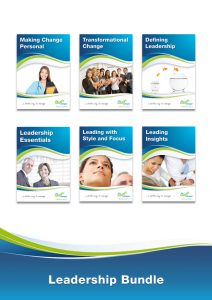 For more leadership resources look at our great-value guides. These include some excellent tools to help your personal development plan. The best-value approach is to buy our Leadership bundle, available from the store.
We’ve bundled together these five e-guides at half the normal price! Read the guides in this order, and use the tools in each, and you’ll be well on your way to achieving your personal development plan. (6 guides, 167 pages, 27 tools and 22 insights, for half price!)
- Leadership Essentials
- Defining Leadership
- Leading Insights
- Leading with Style and Focus
- Transformational Change
- Making Change Personal
Blog Content: Most blog pages on this site are from sponsored or guest contributors. Although we may receive payment for these, all posts are vetted to ensure they meet our editorial standards and offer value for our readers.
>> Return to the Leadership Knowledge Hub