How HR Professionals Can Build Stronger Workplace Cultures
3 July 2026
How HR Professionals Can Build Stronger Workplace Cultures
A strong workplace culture doesn’t happen by accident. It develops through intentional actions, clear values, and consistent leadership. Culture plays a major role in how employees feel about their jobs, how engaged they are, and whether they choose to stay with an organisation long term.
Employees want more than a paycheck. They want to feel respected, heard, and supported. They want opportunities to grow and contribute to meaningful work. Organisations that create these experiences tend to see higher productivity, stronger teamwork, and improved retention.
Human resources professionals are at the centre of these efforts. They help shape policies, guide managers, support employees, and influence the overall employee experience. As workplace expectations continue to evolve, HR teams are taking on a greater responsibility in building environments where people can thrive.
Creating a positive workplace culture requires a combination of communication, leadership, employee relations, and strategic thinking — and a commitment to ongoing learning.
Build the Skills Needed to Lead Positive Workplace Cultures
Strong workplace cultures start with knowledgeable HR professionals. Every hiring decision, employee interaction, policy update, and workplace initiative contributes to the culture employees experience each day.
Because of this, HR professionals need a broad understanding of employee relations, communication strategies, leadership principles, and organisational behaviour. These skills help them address workplace concerns, improve engagement, and foster positive relationships across teams.
Continuous learning is an important part of professional growth. As workforce needs change, HR professionals must stay informed about best practices and emerging workplace trends. Educational opportunities can provide valuable knowledge that supports better decision-making and stronger leadership.
For example, professionals looking to strengthen their expertise may consider an online BAAS in HR and Employee Relations, which focuses on areas such as employee development, workplace communication, conflict resolution, leadership, and human resource management. These skills can directly support efforts to build healthier and more productive workplace cultures.
Lamar University offers this degree programme in a flexible online format designed for working professionals. The programme helps students develop practical HR knowledge while preparing them to support employee engagement, workplace relationships, and organisational success.
When HR professionals invest in their own development, they gain the tools needed to create stronger experiences for employees and contribute more effectively to organisational goals.
Create Open and Transparent Communication Channels
Communication is one of the most important building blocks of workplace culture.
Employees want to understand what is happening within their organisation. They want clarity about expectations, company goals, and decisions that may affect their work. When communication is inconsistent or unclear, uncertainty spreads quickly — and with it, disengagement.
HR professionals can help establish open communication by creating opportunities for employees to share feedback and ask questions. Regular meetings, surveys, feedback sessions, and one-on-one conversations all encourage dialogue between employees and leadership.
Transparency is equally important. While organisations may not be able to share every detail, communicating openly about major changes and business priorities helps build trust. Employees are more likely to stay engaged when they feel informed and included.
Psychological safety and culture
A key aspect of communication that HR professionals can actively support is psychological safety — creating an environment where employees feel comfortable sharing ideas, raising concerns, and asking questions without fear of negative consequences. This isn’t just a wellbeing consideration; it directly affects how well teams function and how quickly problems surface before they grow into larger issues. HR professionals can foster this by encouraging respectful conversations and modelling a culture of mutual support from the top down.
Strengthen Relationships Through Effective Employee Relations
Workplace culture is built on relationships. Positive relationships between employees, managers, and leadership teams contribute to trust, collaboration, and overall job satisfaction.
HR professionals play a critical role in maintaining healthy workplace relationships. One of their most important responsibilities is addressing concerns before they become larger issues. Small misunderstandings can quickly escalate if left unresolved. By encouraging open communication and providing support during difficult situations, HR professionals can help prevent conflicts from damaging workplace morale.
Consistency is also essential. Employees want to know that policies and expectations are applied fairly across the organisation. Perceived favouritism or inconsistent treatment can undermine trust and create cultural challenges that are difficult to reverse.
HR professionals can support managers by providing guidance on communication, performance discussions, and conflict resolution. Equipping leaders with these skills helps create more positive interactions throughout the organisation. Strong employee relations contribute to a workplace where individuals feel respected, supported, and genuinely valued.
Measure, Reflect, and Keep Improving
Building a strong workplace culture is not a one-off project. It requires ongoing attention, honest reflection, and a willingness to act on what the data and people are telling you.
HR professionals are well placed to lead this process. Regular employee engagement surveys, pulse checks, exit interview analysis, and manager feedback all provide insight into how workplace culture is actually experienced — not just how it’s described in a values statement. The gap between the two is often where the real work lies.
Good performance management practices support culture as much as they support individual output. When managers hold regular conversations, give specific feedback, and recognise contributions consistently, the cumulative effect on culture is significant. HR professionals who help managers do this well are building culture one interaction at a time.
Conclusion
HR professionals have a powerful influence on workplace culture. Through effective communication, strong employee relations, inclusive practices, and ongoing professional development, they help create environments where people feel supported and motivated to do their best work.
Strong workplace cultures are built through consistent actions and a genuine commitment to employee wellbeing. They require thoughtful leadership, clear communication, and a willingness to listen and adapt. By continuing to develop their knowledge and skills, HR professionals strengthen their ability to guide lasting cultural change — and in doing so, help create workplaces where both employees and organisations can perform at their best.
Further Reading
- CIPD — Organisational Culture: Practical guidance on how culture develops, how to assess it, and the role HR plays in shaping it. cipd.org
- Gallup — Building a High-Development Culture: Research-based insight into how HR and people managers can create cultures that drive engagement and performance. gallup.com
- Harvard Business Review — The Leader’s Guide to Corporate Culture: A useful framework for understanding different culture types and how to influence them intentionally. Spencer Stuart
Header image by: Tiger Lily
Disclaimer: The information in this article is provided for general guidance only. It reflects the views and experience of the contributor and does not constitute professional HR, legal, or organisational advice. Readers should seek independent professional advice before making decisions based on the content of this article. The Happy Manager and Apex Leadership Ltd accept no liability for actions taken in reliance on the information provided here.
References
- CIPD (2024). Organisational Culture. cipd.org
- Gallup (2024). Building a High-Development Culture. gallup.com
- Harvard Business Review (2018). The Leader’s Guide to Corporate Culture. Spencer Stuart
Leadership Resources
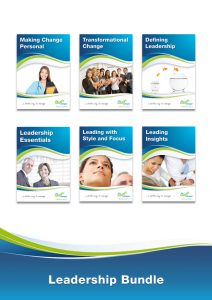 For more leadership resources look at our great-value guides. These include some excellent tools to help your personal development plan. The best-value approach is to buy our Leadership bundle, available from the store.
We’ve bundled together these five e-guides at half the normal price! Read the guides in this order, and use the tools in each, and you’ll be well on your way to achieving your personal development plan. (6 guides, 167 pages, 27 tools and 22 insights, for half price!)
- Leadership Essentials
- Defining Leadership
- Leading Insights
- Leading with Style and Focus
- Transformational Change
- Making Change Personal
Blog Content: Most blog pages on this site are from sponsored or guest contributors. Although we may receive payment for these, all posts are vetted to ensure they meet our editorial standards and offer value for our readers.
>> Return to the Leadership Knowledge Hub