How to Balance Tech Efficiency and Personal Touch in Client Management
20 March 2025
How to Balance Tech Efficiency and Personal Touch in Client Management
The foundation of any successful firm is client management. Your relationships with clients have a direct impact on your growth and long-term success, regardless of how small or large your business is. Companies, however, frequently fail to strike the ideal balance between tech efficiency and a personal touch.
On one hand, tech efficiency ensures that businesses run smoothly and clients receive timely responses. On the other hand, a personal touch fosters trust, strengthens relationships, and enhances customer loyalty. So, how can businesses integrate both without compromising one for the other? This article explores practical strategies, tools, and techniques to help you achieve this balance effectively.
Before diving into tools and techniques, it’s worth noting that none of this works without a dependable digital foundation. A fast, secure business internet connection ensures that your CRM systems, communication platforms, and automation tools operate smoothly so your client management strategy stays consistent and reliable.
Understanding the Value of Client Management
Client management involves the methods, tools, and practices that organizations use to engage with their clients and maintain strong relationships. This encompasses various aspects, including effective communication, customer support, relationship cultivation, and tracking client data.
Taking a well-organized approach to client management is vital for:
- Ensuring seamless client interactions
- Enhancing client satisfaction and loyalty
- Optimizing workflows and minimizing operational challenges
Tips to Balance Tech Efficiency and Personal Touch in Client Management
Striking the right balance between tech efficiency and a personal touch calls for a careful blend of technology and human connection. According to a worldwide study conducted in 2023, approximately 70% of business leaders reported increasing their financial commitment to personalization strategies. The research by Statista revealed that 62% of them noted improved customer loyalty as a significant benefit.
As you can see, personalization is non-negotiable in order to succeed these days. Here’s how businesses can successfully deal with this balance:
Combine Automation With Personalization
Routine operations like appointment booking and follow-up correspondence can be automated, freeing up time for deeper customer engagements. However, it’s crucial to add a human touch where it matters most.
71% of consumers expect businesses to offer personalized experiences, per McKinsey research. Meanwhile, 76% feel frustrated when those expectations aren’t met. To bridge this gap, businesses can enhance automated messages by including the client’s name and relevant details. This way you are ensuring communication feels more personal and engaging. For businesses managing multiple tools or platforms, using crosslist strategies can help to maintain consistent messaging and data across systems without sacrificing personalization.
Additionally, balance automation with opportunities for human interaction. For example, while reminders or confirmations can be automated, ensure clients can easily reach a live representative for more complex queries. Use customer data insights to tailor not only automated messages but also the tone and content of human interactions. This seamless integration of automation and personalization fosters trust and loyalty. When processes use customer information efficiently, teams can respond faster while still delivering human-centered support. You can crosslist the products you’re selling or reselling but you don’t have to be robotic about it. Automation doesn’t have to be without human touch.
To make this blend of automation and personal touch work smoothly, you need a solid IT foundation behind the scenes. All these systems—automated messaging, real- time data tracking, and live support tools—rely on fast, secure, and well-managed infrastructure. Many businesses turn to outsourced IT support to ensure all their systems remain intact and consistently monitored. With the right support team in place, you can reduce downtime, maintain data security, and scale your tech needs without stretching internal resources.
Choose the Right Tools and Technologies
Using the right technology does more than just make processes more efficient. It also improves client relationships, making them smoother and more personal.
The basis of this approach is customer relationship management (CRM) tools. The numbers reflect the demand and importance of the software. The worldwide market for CRM software solutions is expected to reach 57 billion U.S. dollars in 2025. As per Statista, this represents an expansion of nearly four billion U.S. dollars compared to 2021 figures.
CRM platforms help businesses manage client relationships by tracking interactions, automating follow-ups, and providing personalized communication based on client history. Additionally, AI-powered assistants, such as chatbots, transform customer service by providing instant support while leaving room for human interaction when needed.
Agentic AIs are further revolutionizing client experiences. Transforming an image into 3D model is not just a leap in technology, but also a significant step toward improving both efficiency and personalization in client management. With advanced software and AI-driven modeling tools, businesses can quickly convert 2D images into highly detailed 3D models, saving time and resources compared to traditional design methods. This efficiency translates into faster project turnarounds, reduced costs, and streamlined workflows. At the same time, 3D modeling adds a personal touch to client management by allowing customization and visualization that directly reflects the client’s needs.
Daniel O’Sullivan, Senior Director Analyst at Gartner, describes agentic AI as a game-changer that enables effortless and autonomous customer experiences. He told Directors Club News that these tools ensure resolving service requests on time, which enhances customer engagement.
Managing client acquisition and relationships presents significant challenges. This is especially true in sectors like law, where client expectations are exceptionally high. Therefore, law firms can choose tools like legal client intake software, which simplifies the often time-consuming process of onboarding new clients. It also helps in handling inquiries seamlessly.
These platforms automate tasks like intake forms, appointment scheduling, and document collection, enabling attorneys to focus on personalized legal advice. Law Ruler emphasizes that intelligent forms and customizable fields create a tailored experience for each lead. This accelerates the lead-to-client conversion process while ensuring no client is overlooked.
Use Data to Guide the Human Moment
Technology can tell you a lot about your clients, but it should never make the relationship feel calculated. The real value comes from using data as a guide, not a replacement for judgment. For example, analytics can show which services a client is most interested in, which emails they respond to, or where they tend to drop off in the process. That information helps your team step in at the right time with a message that feels useful rather than pushy. It also helps businesses reach your ideal audience without treating every client like they belong in the same box. When used thoughtfully, data gives your personal touch better timing, better context, and a stronger reason for existing.
Train Employees to Personalize Interactions
Equip your team with the skills to tailor client interactions based on context. Whether following up on past conversations or addressing specific needs, personalization creates a sense of care and attentiveness. Encourage employees to actively listen, empathize, and adapt their responses to build stronger client relationships.
Foster a culture of continuous improvement by providing regular training sessions and feedback. Role-playing exercises and real-life examples can help employees refine their personalization techniques. This investment not only enhances client satisfaction but also boosts employee confidence in handling diverse interactions effectively.
FAQs
1. What are some signs that a business is too reliant on automation in client management?
A: A business may be overly dependent on automation if clients feel they only interact with bots, and receive generic responses. While automation improves efficiency, it should not replace meaningful human interactions. It can lead to frustration if customers struggle to connect with a real person when needed.
2. Can automation negatively impact client relationships?
A: Yes, if automation is overused or poorly implemented, it can make client interactions feel robotic and impersonal. Automation helps streamline processes and improve response times. However, businesses must ensure that human engagement remains available for complex issues or relationship-driven interactions.
3. How often should businesses check in with clients to maintain relationships?
A: A general best practice is to engage with clients at key moments. Businesses should follow up after a purchase or service completion to ensure customer satisfaction. They should also maintain regular communication every three to six months for ongoing services and acknowledge special occasions like anniversaries or birthdays.
Final Thoughts
Achieving harmony between efficiency and a personal touch in client management is extremely essential. Businesses that master this balance reap the rewards of streamlined operations and loyal client relationships.
By thoughtfully leveraging technology, such as CRM tools and AI-driven solutions, companies can enhance efficiency. At the same time, investing in personalized human interactions helps create meaningful connections without sacrificing productivity.
Ultimately, the key lies in recognizing that efficiency enhances the process, but a personal touch is what leaves a lasting impression. Successful businesses show clients that they are more than just a number. They make them feel like valued partners.
Leadership Resources
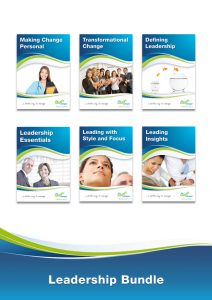 For more leadership resources look at our great-value guides. These include some excellent tools to help your personal development plan. The best-value approach is to buy our Leadership bundle, available from the store.
We’ve bundled together these five e-guides at half the normal price! Read the guides in this order, and use the tools in each, and you’ll be well on your way to achieving your personal development plan. (6 guides, 167 pages, 27 tools and 22 insights, for half price!)
- Leadership Essentials
- Defining Leadership
- Leading Insights
- Leading with Style and Focus
- Transformational Change
- Making Change Personal
Blog Content: Most blog pages on this site are from sponsored or guest contributors. Although we may receive payment for these, all posts are vetted to ensure they meet our editorial standards and offer value for our readers.
>> Return to the Leadership Knowledge Hub