The Power of Simplicity: Why Making Work Easier is a Leadership Superpower
19 March 2026
The Power of Simplicity: Why Making Work Easier is a Leadership Superpower
There’s a subtle phenomenon that occurs in many workplaces where employees simply get used to things being harder than they need to be. This isn’t usually because anyone has chosen an inefficient path on purpose. Instead, it happens because the original setup just stayed that way over time, and nobody stopped to question the status quo. Consequently, these habits become “the way we do things around here.”
That’s why many tasks, from lifting heavy items manually to repeating the same administrative steps, become part of the furniture. The problem is that once an inefficient process becomes normal, it’s actually surprisingly tricky to change it. However, it can be done, and it certainly should be done. When you remove the friction from a working day, you don’t just save time; you transform the culture of the business.
You Don’t Always Notice Where the Effort is Going
The strange part about modern work is that much of the exhaustion doesn’t stem from the core job itself. Instead, it comes from the “work about work” or the physical friction surrounding the main task. This might involve moving materials around, constantly re-adjusting equipment, doing the same actions over and over, or navigating clunky software interfaces.
Because these actions are spread across a shift, they’re really hard to spot. They don’t stand out as a single “problem” to be solved. Nevertheless, if you add those wasted minutes and strained muscles together, you realise they’re consuming a vast amount of energy. As a manager, you must look closely at these micro-tasks. If your team feels drained at the end of the day, it’s often these hidden “energy leaks” that are to blame rather than the actual output.
Easier Work Tends to Work Better
Some traditionalists might think that if a task becomes easier, it must be less thorough or less effective. That logic doesn’t really hold up when you look at the data properly. When a task is simpler to perform, people tend to do it more accurately and with far fewer mistakes. Furthermore, they aren’t just trying to “get through it,” so they’re less likely to rush or skip safety protocols.
Therefore, instead of cutting corners, making something easier ensures the job is done properly. It removes the temptation to find “workarounds” that can compromise quality. When the path of least resistance is also the correct path, compliance and excellence become the natural outcomes. Simplicity, in this context, is the ultimate sophistication in operations management.
The Right Equipment Changes Everything
A lot of the time, the difference between a frustrated team and a productive one comes down to the tools being used. After all, if the equipment isn’t quite right for the job, people end up working around the tool instead of with it. This is where physical strain and mental fatigue start to peak. In environments involving logistics or manufacturing, the physical toll of manual handling is a major contributor to long-term absence.
That’s why investing in specific technology, such as Yaplex tube lifting systems, can make such a massive difference. Instead of relying on manual handling or awkward lifting, the system takes that strain on for you. Suddenly, a task that was once a chore becomes effortless. Moreover, when you provide the right tools, you send a clear message to your staff that their health and time are valued. This boost in morale is often just as significant as the increase in physical efficiency.
Reducing Cognitive Load for Mental Ease
Making work easier isn’t only about the physical aspects; it’s also about the mental burden. If your team has to navigate complex bureaucracy to get a simple approval, they are wasting “cognitive bandwidth.” This mental fatigue makes people more prone to errors in judgment later in the day. By streamlining digital workflows and removing unnecessary meetings, you allow your team to focus on their “deep work.”
You should aim to create an environment where the “right” thing to do is also the “easiest” thing to do. This might mean automating a repetitive data entry task or simplifying the filing system. When employees don’t have to fight against their own systems, they have more mental energy for innovation and problem-solving. Ultimately, a business that prioritises ease of execution is a business that’s built to scale.
It’s Usually Smaller Changes Than You’d Expect
One of the reasons this whole concept often gets overlooked is because leaders assume it requires a total overhaul. People worry that they must change everything to fit a new way of working, but that’s rarely the case. Most of the time, it’s not actually as arduous a task as you might think. You don’t need a massive budget or a six-month consultant project to start making a difference.
To begin this process, you should consider the following steps:
- Observe your team during their busiest periods to identify where they are doubling back or struggling with equipment.
- Ask your staff directly which part of their day feels “clunky” or unnecessarily difficult, as they are the experts on their own roles.
- Implement one small “ease” improvement per month to build momentum without overwhelming the department.
Just start by really noticing the things that are taking all the effort. Then, make a few practical changes to stop that happening quite so much. You don’t have to eliminate every difficulty entirely to see a result. Once those small changes are in place, things will start to feel easier, so people will be happy to stick with them.
Creating a Culture of Continuous Improvement
When you make work easier, you aren’t just helping the business today; you’re setting a standard for the future. Employees who see that their managers care about their comfort and efficiency are more likely to suggest their own improvements. This creates a positive feedback loop of “continuous improvement” (often referred to as Kaizen).
When the “hard” way is no longer accepted as the “only” way, the whole team starts looking for smarter solutions. This proactive mindset is what separates industry leaders from those who are just struggling to keep up. Remember, the goal isn’t to make people work less; it’s to make their work count for more. By removing the obstacles, you allow your team to reach their full potential without the unnecessary burnout.
Conclusion
Simplifying the workplace is one of the most effective ways to drive productivity and employee satisfaction. It’s about recognising that human energy is a finite resource that should be protected. Whether you are installing a lifting system to save someone’s back or simplifying a spreadsheet to save their sanity, the result is the same: a more resilient, capable business. Start small, listen to your team, and watch how much more they can achieve when the “hard” parts of the day simply disappear.
Disclaimer: The information provided in this article is for educational and informational purposes only. It does not constitute professional health, safety, or management advice. While the suggestions provided aim to improve workplace efficiency and well-being, businesses should conduct their own risk assessments and consult with qualified professionals before implementing new machinery or changing health and safety protocols. The author and website assume no liability for any actions taken based on the content of this article.
Further Reading
Health and Safety Executive (HSE): Manual Handling at Work
This UK government resource provides essential guidance on legal requirements and best practices for reducing the risk of injury from lifting and handling in the workplace.
The Harvard Business Review: To Improve Your Team’s Performance, Simplify Their Work
A high-authority US source that discusses the psychological and organisational benefits of reducing “low-value” work and complexity within professional teams.
Mind Tools: Kaizen – Gaining Continuous Improvement
A globally recognised management resource explaining the philosophy of making small, incremental changes to improve efficiency and make work easier for everyone involved.
Header Photo by MART PRODUCTION
Leadership Resources
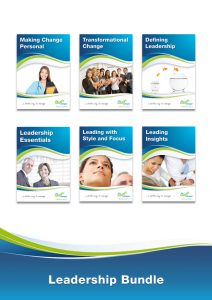 For more leadership resources look at our great-value guides. These include some excellent tools to help your personal development plan. The best-value approach is to buy our Leadership bundle, available from the store.
We’ve bundled together these five e-guides at half the normal price! Read the guides in this order, and use the tools in each, and you’ll be well on your way to achieving your personal development plan. (6 guides, 167 pages, 27 tools and 22 insights, for half price!)
For more leadership resources look at our great-value guides. These include some excellent tools to help your personal development plan. The best-value approach is to buy our Leadership bundle, available from the store.
We’ve bundled together these five e-guides at half the normal price! Read the guides in this order, and use the tools in each, and you’ll be well on your way to achieving your personal development plan. (6 guides, 167 pages, 27 tools and 22 insights, for half price!)
- Leadership Essentials
- Defining Leadership
- Leading Insights
- Leading with Style and Focus
- Transformational Change
- Making Change Personal
Blog Content: Most blog pages on this site are from sponsored or guest contributors. Although we may receive payment for these, all posts are vetted to ensure they meet our editorial standards and offer value for our readers.
>> Return to the Leadership Knowledge Hub