Want to Inspire and Guide a Dynamic Team? Strategies for Empowering Leadership
19 May 2025
Want to Inspire and Guide a Dynamic Team? Strategies for Empowering Leadership
Ever wished your team was just a little more “Avengers” and a little less “herding cats”? You’re not alone. Every business dreams of having that dynamic, in-sync team that just gets it, one that’s motivated, collaborative, and quick to rise to any challenge. For those of us in the event production world, like at avad3, this kind of alignment isn’t a luxury it’s the only way to pull off showtime under pressure.
But let’s be honest: having a dream team doesn’t just happen because you handed out branded polos and Slack channels. Strong leadership, the kind that fuels long-term growth isn’t about top-down control. It’s about cultivating trust, sharing wins (and failures), and learning to hand off the mic, sometimes literally.
So how do you become the kind of leader people would choose to follow, even if you didn’t sign their paycheck? Let’s dig into this guest post from Cameron Magee.
Establish Trust (Spoiler: It’s Not Built During the All-Hands Zoom)
If your team doesn’t trust you, it doesn’t matter how visionary your strategy deck is, they’re not following you into battle (or into Q4). Trust starts with creating an environment where people feel safe enough to speak up without fear of being steamrolled.
Think about it: if a production tech says, “Hey, that LED wall isn’t safe,” you want them to feel confident raising the flag, not wondering if they’ll be dismissed for questioning the plan.
Patrick Lencioni nailed it in The Five Dysfunctions of a Team: “Trust is knowing that when a team member pushes you, they’re doing it because they care about the team.” If you’re always the loudest voice in the room, you may be shutting down the very collaboration you’re trying to encourage.
At avad3, one of our values is Professionalism Builds Trust. That doesn’t mean we exclusively wear suits on job sites (thankfully) it means we keep our word, we’re prepared, and we’re listening. Always.
Redefine Accountability (Without Turning Into the Blame Police)
Let’s play a game: what’s the first word you associate with “accountability”? If it’s “finger-pointing,” you’re not alone. Somewhere along the way, accountability became corporate code for “whose head is on the chopping block?”
But real accountability, the kind that makes teams stronger, is about ownership, not blame. It’s about giving people enough clarity and confidence to say, “This is mine, and I’m going to make it awesome.”
At a conference, this might look like empowering a logistics lead to own the show flow. Instead of hovering or “checking in” every hour, you trust that they’ll ask for help if something goes sideways (and they trust you won’t flip your lid if it does).
Strategic Coach teaches this through the concept of Unique Ability®. If you give people work that aligns with what they’re naturally great at, accountability becomes energizing instead of exhausting.
Learn to Delegate (No, Really Let Go of the Gaffer Tape)
Here’s a hard truth: if you’re doing everything yourself, you’re the bottleneck. (Yes, even if you do it better.)
Many leaders say they delegate but what they actually do is assign tasks, then hover nervously, ready to jump in if it doesn’t go their way. True delegation means giving someone a goal, the tools to succeed, and the space to make it theirs.
Think of it like cueing a spotlight operator. You give them the cues, you trust their training, and then you don’t run to the catwalk during showtime to make sure they’re on it. You let them shine (pun intended).
If something goes wrong, don’t swoop in like a helicopter parent. Debrief, train, and move forward. As Brené Brown says, “Clear is kind.” Clear expectations + real empowerment = trust and growth.
Share a Vision (Not Just a Mission Statement in 12pt Font)
Your team isn’t going to leap out of bed in the morning for “operational excellence.” But they will rally behind a vision that connects to something real and meaningful.
At avad3, we don’t just “do AV.” We craft experiences that elevate voices whether it’s a nonprofit gala or a corporate summit. That’s our reason. When your people know why they’re doing what they do, they’ll go the extra mile even during a 4 a.m. load-in.
So, how do you share your vision? Start by showing how every role contributes to the bigger picture. Then celebrate milestones like you would a successful show wrap, shoutouts, snacks, and maybe even some impromptu karaoke.
Leverage New Tech (Without Becoming a Spreadsheet Cult)
Yes, the future is automated. But that doesn’t mean we hand our work to robots and call it a day.
Great leaders look for tech that makes people’s lives better. At avad3, we use tools like Rentman to streamline equipment tracking not because it’s shiny, but because it frees our team to focus on what they do best: solving problems and making the show run flawlessly.
Think about your own workflow: What’s eating up your team’s time? What could be automated, templated, or simplified? Even something as simple as a shared Google Doc or Slack channel can transform a chaotic process into a smooth production.
And don’t forget: even tech can be personal. Use collaboration tools to check in on remote teammates not just for updates, but for connection.
Adopt a Growth Mindset (aka Stop Freaking Out When Things Go Sideways)
A growth mindset sounds like a buzzword, but it’s just the grown-up version of “fall down seven times, get up eight.”
In the event world, failure isn’t if it’s when. Cables will go missing. Flights will be delayed. A client will change their mind about the stage layout the night before show day (true story).
The best leaders model resilience. They don’t panic when the plan changes, they adapt. They learn. They teach.
Seth Godin puts it well: “The cost of being wrong is less than the cost of doing nothing.” Encourage your team to take smart risks. Reward the right behaviors, not just the perfect results.
Regulate Your Emotions (Yes, Even When the Mics Are Feedbacking)
You can’t inspire anyone if you’re always one email away from a meltdown. Emotional intelligence is underrated and essential.
Your tone in a crisis will set the temperature for the entire team. If you stay calm, others will stay calm. If you bark or panic, everyone will be looking for the exit.
Self-awareness is the first step. Pay attention to what triggers you (tight deadlines, vague emails, someone breathing loudly in your office). Then work on staying grounded even if it’s just a deep breath before answering a question for the 17th time.
In event production, we often see that the client feels what the crew feels. The same goes for your team. Steady leadership builds confident teams.
Lead With People, Not Power
Empowering leadership isn’t about being the smartest person in the room, it’s about making the whole room smarter. When your team feels trusted, included, and valued, they’ll rise. And when they rise, so does the business.
So, want to build a dream team? Start by becoming the leader they’d choose to follow even off the clock.
Let’s make work feel more like a backstage crew that’s in sync, laughing between cues, and pulling off magic together.
Author Bio: Cameron Magee, the owner of avad3 Event Production, is a passionate and dedicated professional who began his journey in event production as a curious 12-year-old at his childhood church. Today, he leads a team of hard-working production professionals, having built avad3 from his college dorm room into a national production company, committed to both client success and the well-being of his team.
Leadership Resources
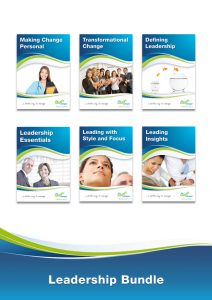 For more leadership resources look at our great-value guides. These include some excellent tools to help your personal development plan. The best-value approach is to buy our Leadership bundle, available from the store.
We’ve bundled together these five e-guides at half the normal price! Read the guides in this order, and use the tools in each, and you’ll be well on your way to achieving your personal development plan. (6 guides, 167 pages, 27 tools and 22 insights, for half price!)
- Leadership Essentials
- Defining Leadership
- Leading Insights
- Leading with Style and Focus
- Transformational Change
- Making Change Personal
Blog Content: Most blog pages on this site are from sponsored or guest contributors. Although we may receive payment for these, all posts are vetted to ensure they meet our editorial standards and offer value for our readers.
>> Return to the Leadership Knowledge Hub